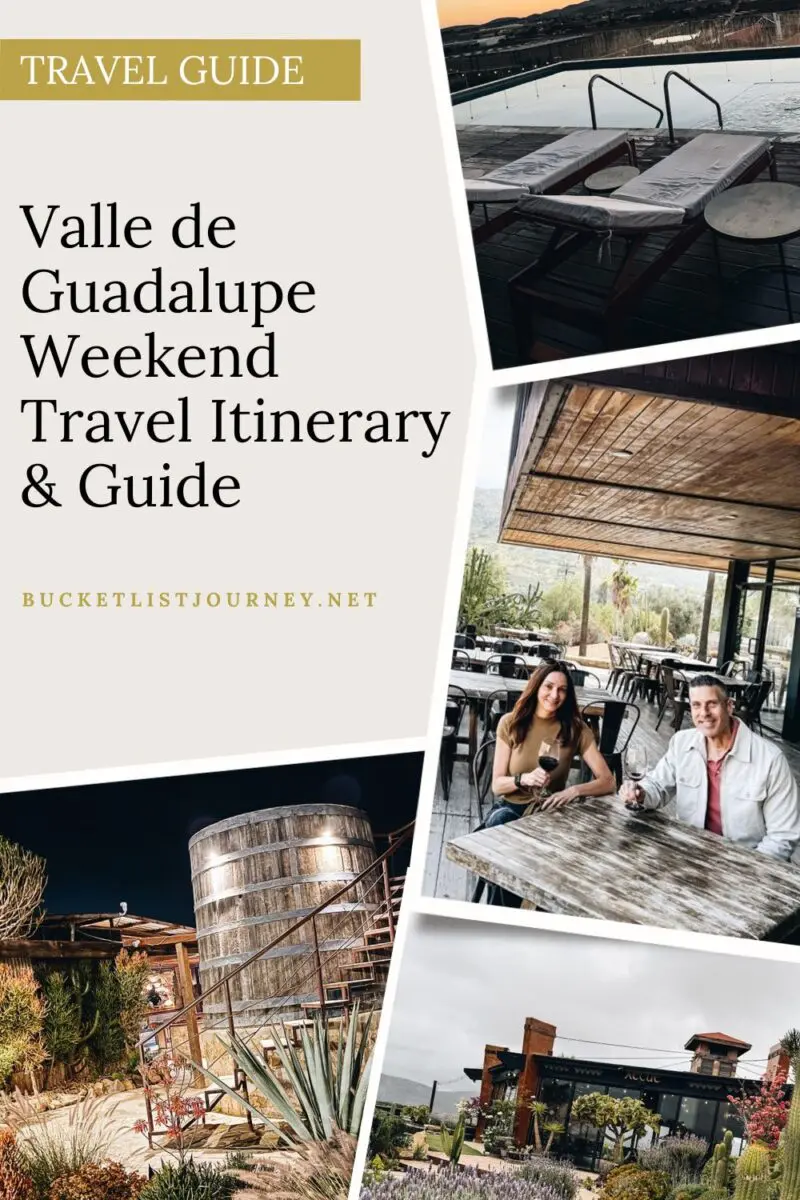
If I told you one of the most exciting wine regions in North America is just an hour and a half south of Tijuana, would you pack your bags? Because after spending five delicious days in Valle de Guadalupe for my birthday, I’m convinced is about to blow up, and you’ll want to go before it does.
Wine may not be the first thing you think of when you picture Mexico (hello, margaritas!), but the valley has evolved into a destination filled with boutique hotels, Michelin recognized restaurants, and tasting rooms tucked into rolling hills. And in this weekend guide, I’m sharing my favorite places to sip, stay, and savor in Baja California’s hottest up-and-coming wine country.
Valle de Guadalupe Weekend Itinerary
Friday
- Drive from Tijuana to Valle de Guadalupe
- Lunch at Restaurant Las Brisas in Puerto Nuevo (1 hour from Tijuana)
- Check into Contemplacion Resort & Spa
- Tasting & Tapas at Vinos Xecue
- Wine & Cheese at Bloodlust Wine Bar
Saturday
- Breakfast at Salvia Blanca Restaurante at Contemplacion Resort & Spa
- Tasting at Vena Cava
- Lunch at Troika
- Tasting at Vinos Lechuza
- Dinner Bruma Wine Garden
Sunday
- Coffee & Pastries at Bruma Bakery
- Tasting at Viña de Frannes
- Lunch at Kous Kous
- Tasting at Bodegas Magoni
- Dinner at Finca Altozano
Valle de Guadalupe Travel Planning Guide
Best Time to Visit Valle de Guadalupe
Valle de Guadalupe is a year-round destination, but each season feels a little different. We visited in February and had unusually perfect weather, with temperatures ranging from the low 50s to high 70s, and because it was low season, we barely needed reservations and often had wineries to ourselves.
Winter, December through March, typically sees highs in the mid-60s to low 70s and cooler evenings in the 40s and 50s, plus greener landscapes and better hotel rates. Spring, March to May, warms up to the 70s with blooming hills and a livelier atmosphere. Summer, July and August, brings harvest festivals, vibrant green vineyards, and hotter days in the 80s and 90s. Autumn, September to November, cools back down to comfortable 70s and low 80s with beautiful golden vineyard views.
How Many Days to Spend in Valle
We stayed five days and four nights, which meant plenty of time for slow mornings, long lunches, unhurried tastings, and more than a few “just one more glass” moments. With that said, if I was to stay that long again, I’d add in a day trip to Ensenada.
Otherwise, a weekend or long weekend is absolutely perfect if your main goal is to sip, dine, and soak it all in without rushing. Two to three nights gives you enough time to visit several wineries, enjoy a couple of memorable dinners, and still leave feeling relaxed instead of exhausted.
Where to Stay
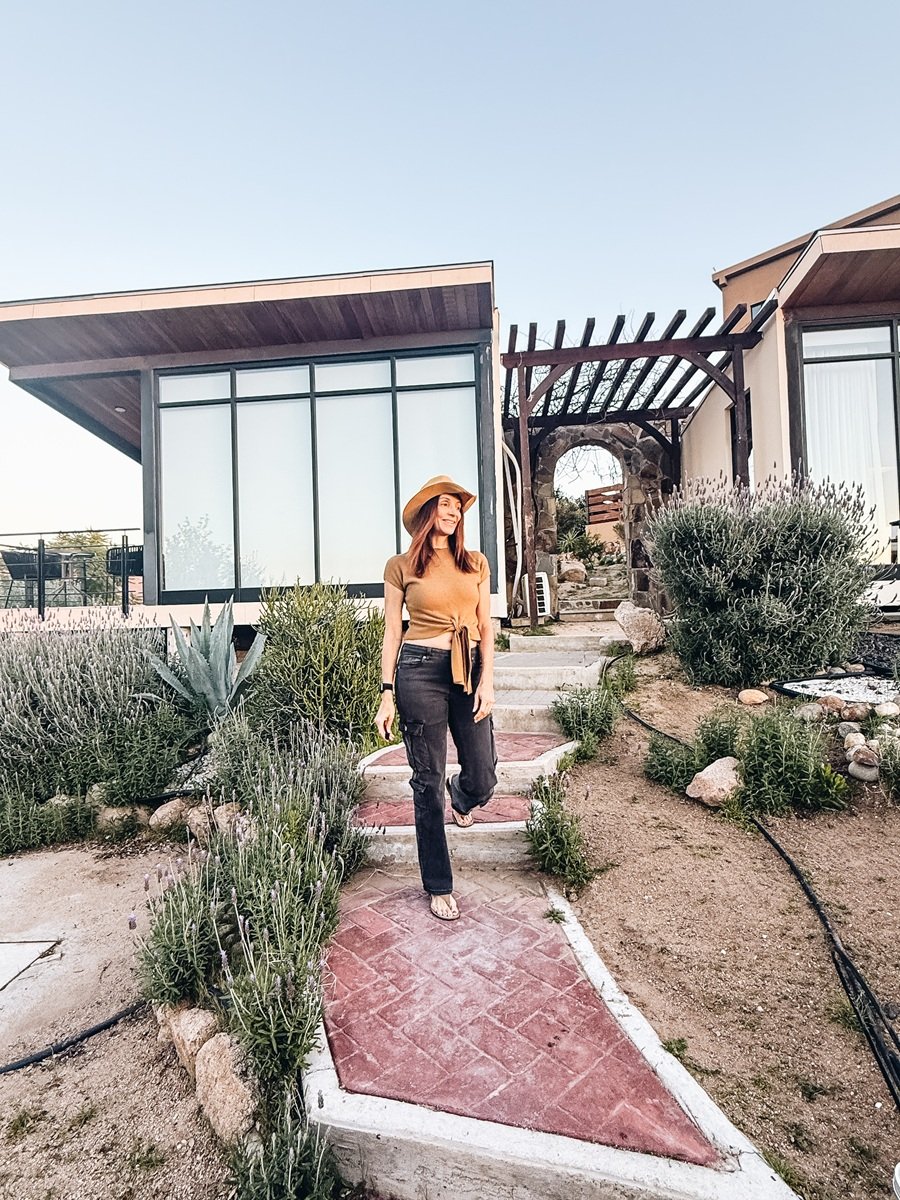
Valle de Guadalupe has no shortage of beautiful, design-forward places to stay, from rustic glamping to full-on luxury retreats. I usually aim for that sweet affordable luxury spot and this time I booked Contemplacion Resort & Spa through Expedia (because they were running a great sale!). Total win.
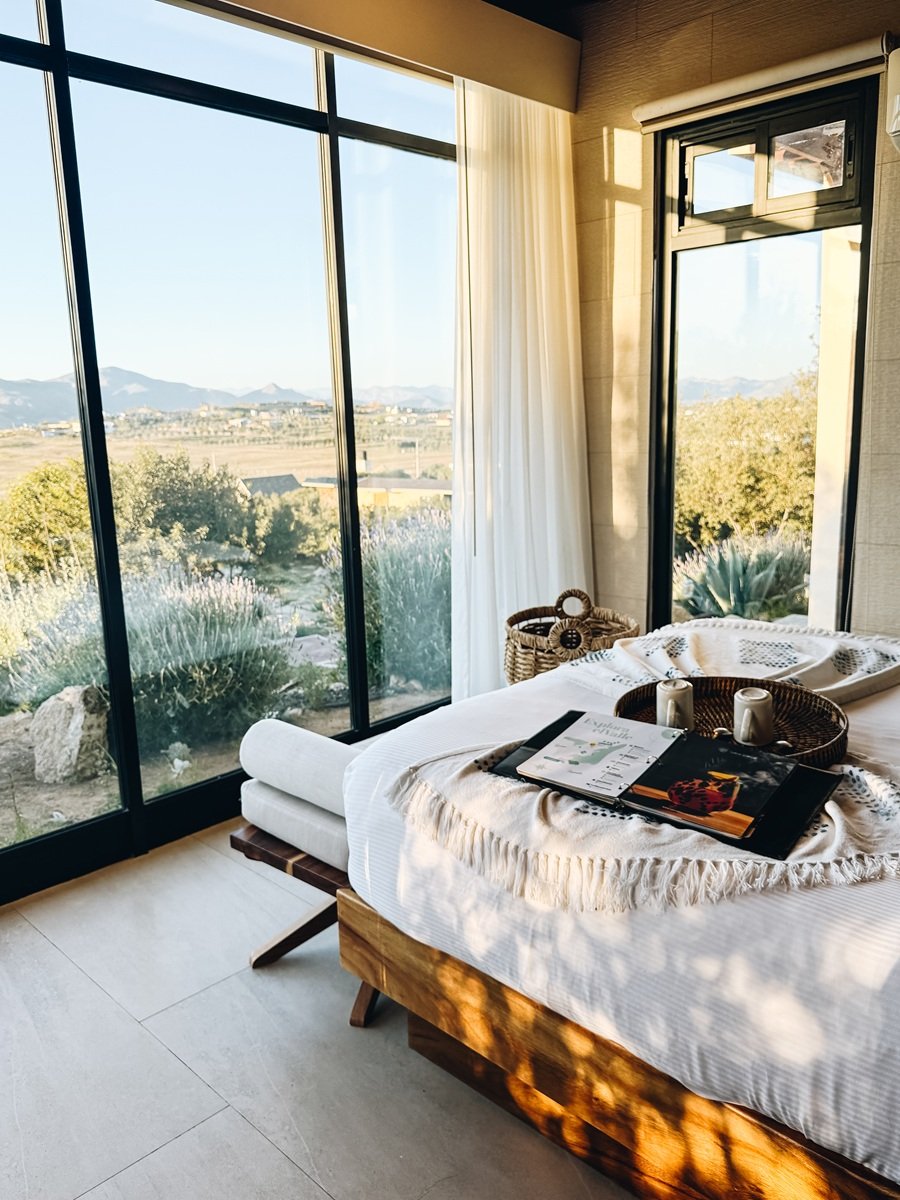
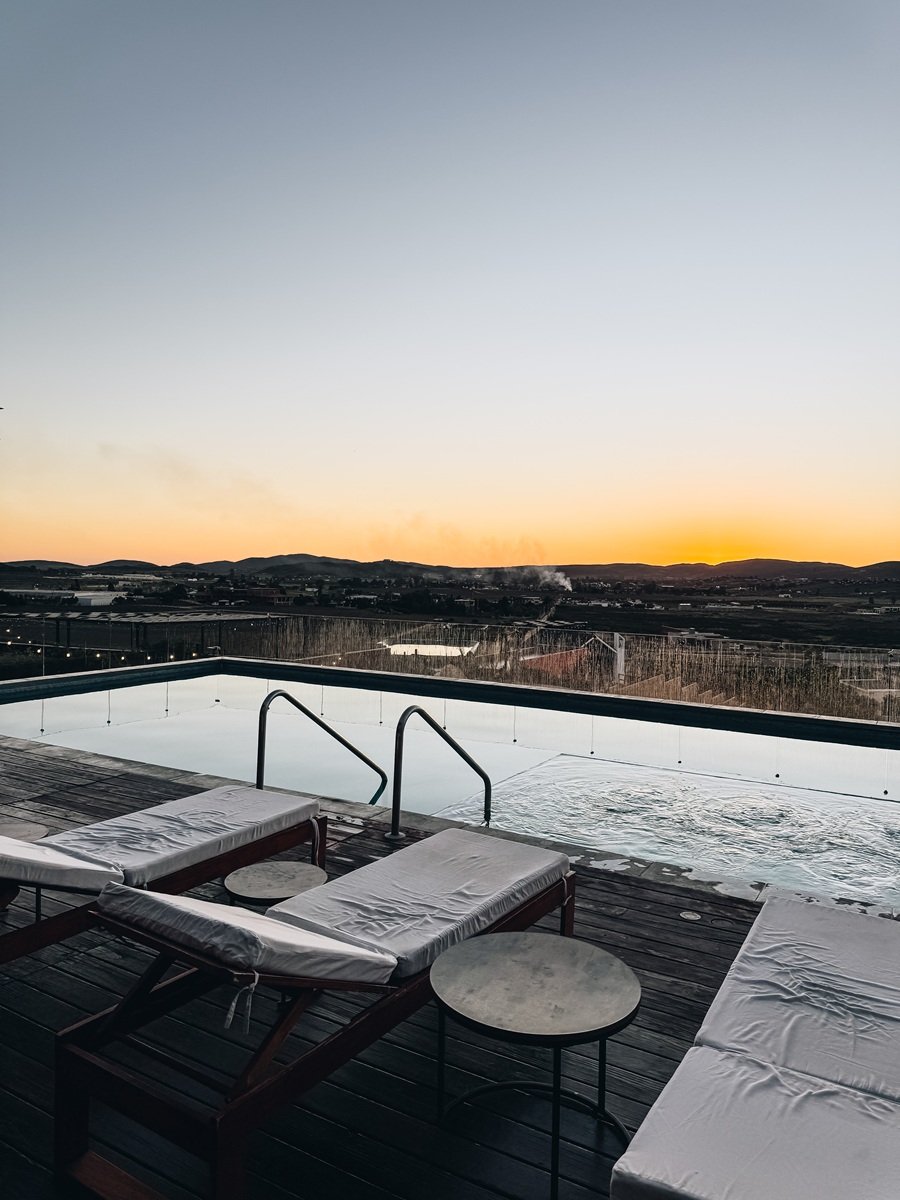
Our room was a private pod set on the hillside with vineyard views that made me want to sit with a glass of wine and do absolutely nothing (which, honestly, is kind of the point here). Breakfast was included at their onsite restaurant, Salvia Blanca Cocina, and it wasn’t your typical continental buffet. It was a fresh fruit, yogurt and granola bowl along with your choice of a main dish. Which for us was also the green chilaquiles and an avocado omelet. There’s also a small pool and hot tub overlooking the valley, and at sunset it’s pure magic.
Other Hotel Options
We popped into a few other properties around the valley that were absolutely beautiful and worth considering, depending on your style and budget.
- Villas en Los Retoños ($$) A peaceful mountain retreat with breakfast included, its own winery and vineyard, plus a terrace and cozy firepit for sunset lounging.
- Mexico en la Piel ($$$) A colorful, garden-filled boutique stay offering continental breakfast, spa services, and a relaxed, welcoming vibe.
- Casa Michaus Valle de Guadalupe ($$$) A tranquil escape with an outdoor pool, sunny terrace, and garden spaces perfect for unwinding between tastings.
- Montevalle Resort and Spa ($$$) A wellness-focused countryside resort with estate wines, spa treatments, a pool, and firepit evenings under the stars.
- MIRA Earth Studios ($$$$) A design-forward rural hideaway known for its Instagram-worthy aesthetic, peaceful setting, and modern comforts.
- Casa Olivea ($$$$) A boutique countryside hotel with continental breakfast, an outdoor pool, and an onsite restaurant and bar for easy evenings in.
Documents Needed
FMM Immigration Form
Before heading to Valle de Guadalupe, you’ll need to complete the FMM tourist form for entry into Mexico. It’s quick and easy to fill out online through Mexico’s immigration website, and mine was approved almost immediately. I downloaded and printed a copy just to be safe, but when we went through passport control, they didn’t even ask for the printed version. Still, I like having paperwork handy because it gives me peace of mind (especially at a border crossing).
Passport
You’ll need a valid passport to enter Mexico from the United States. A Real ID is not enough for international travel, so make sure your passport is current before you go. If it’s close to expiring (within 6 months), renew it early so you’re not adding last-minute stress to your wine weekend.
Getting to Valle de Guadalupe
Figuring out how to get to and around Valle de Guadalupe felt like the most confusing part of this whole trip. Having transportation is essential. Ubers and taxis are not reliably available, and wineries and restaurants are spread out along rural roads. Some travelers hire a private driver, which honestly sounds dreamy and easy, but it can run a couple hundred dollars per day. Others rent a car in San Diego and drive it across the border, but very few rental companies allow that unless you have a special corporate account.
In the end, I decided to fly to San Diego, walk across the border and rent a car in Tijuana. Here’s exactly how I did that:
Getting to the Tijuana Border from San Diego Airport
If you’re flying into San Diego International Airport, getting to the border is surprisingly simple and budget-friendly.
San Diego Airport to the Blue Line Trolly
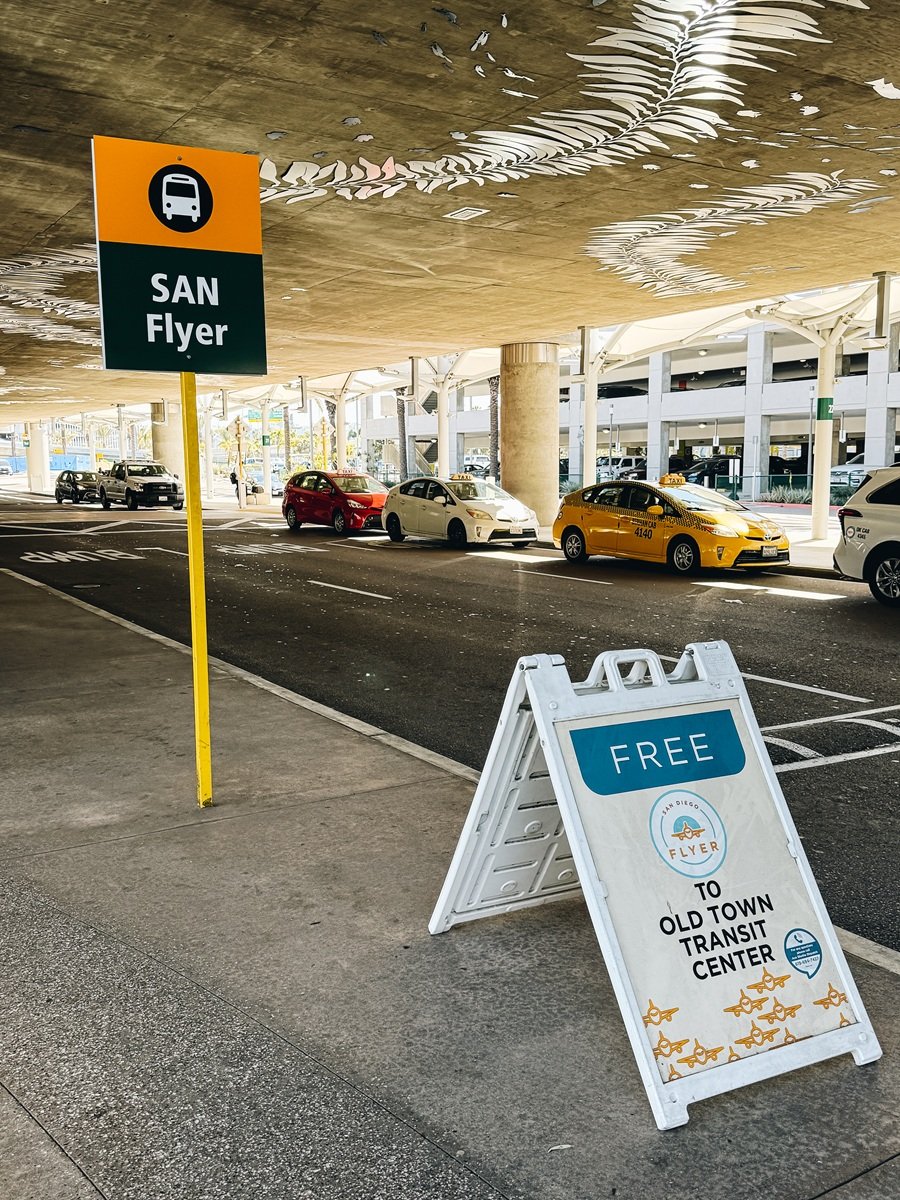
Outside both Terminal 1 and Terminal 2, follow signs for the San Diego Flyer shuttle. From Terminal 2, walk across to the rideshare area and turn left. From Terminal 1, exit baggage claim and head right. The shuttle is free, takes about 10 minutes and drops you at the Old Town Transportation Center.
Quick tips: check the SAN Flyer schedule ahead of time. Also, ours was a plain white shuttle with no signage, so I double-checked with the driver just to be sure.
Blue Line Trolley to the Tijuana Border
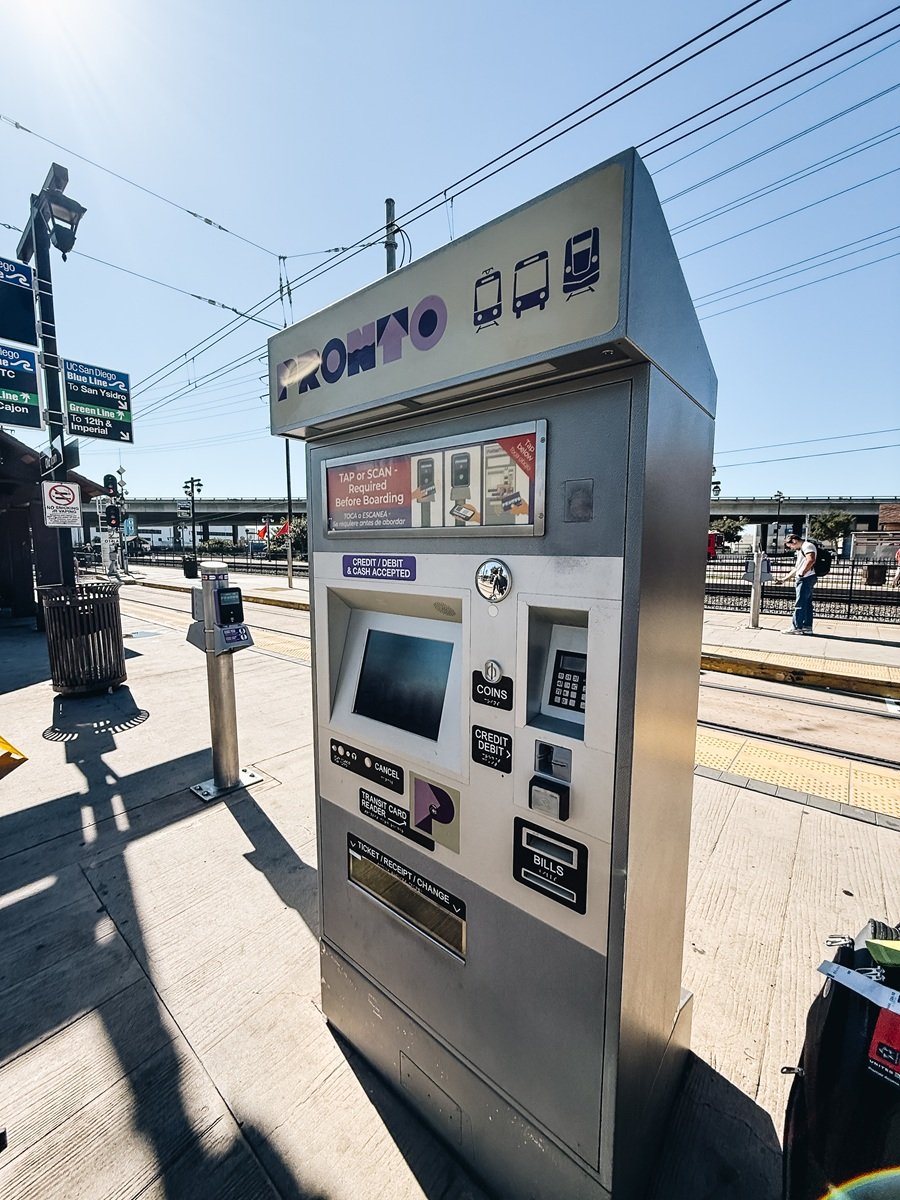
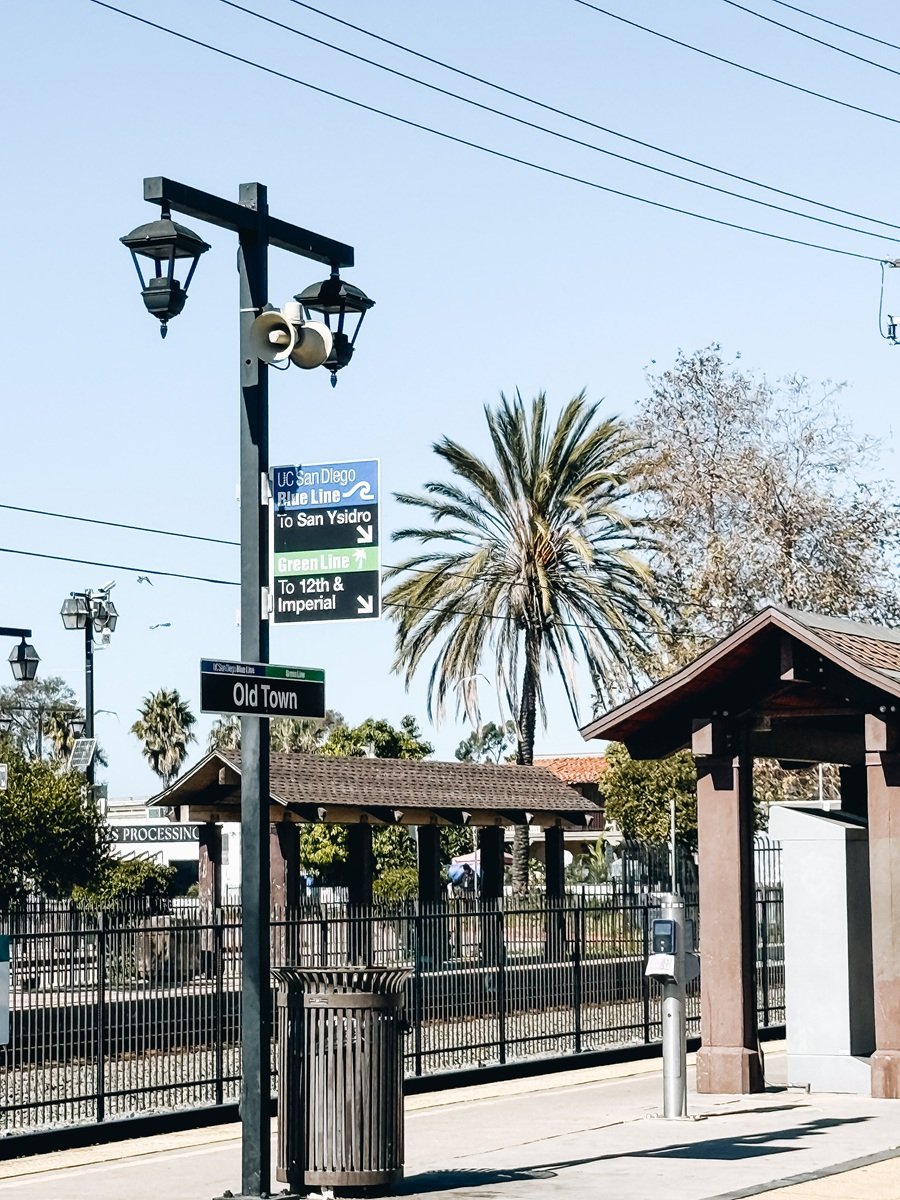
From Old Town, follow the signs to the Blue Line platform heading to San Ysidro. It’s just steps from the shuttle drop-off. Buy a one-way ticket at the kiosk for about $2.50 and keep it with you. No one checked ours, but it’s better to have it. Then hop on the Blue Line trolley to the San Ysidro stop, the final stop on the route, which takes about an hour. The trolley drops you right at the pedestrian border crossing. Walk past the front of the trolley, follow the signs and the crowd, and you’ll find your way to passport control at the border.
Quick tips: Check the Trolly Blue Line Schedule for times of departure, they happen often. Also, the trolley is actually bright red, which confused me, just make sure it says “Blue Line” on the front. On the return just do everything backwards: take the Blue Line to San Ysidro and the SAN Flyer to the airport.
Border Crossing
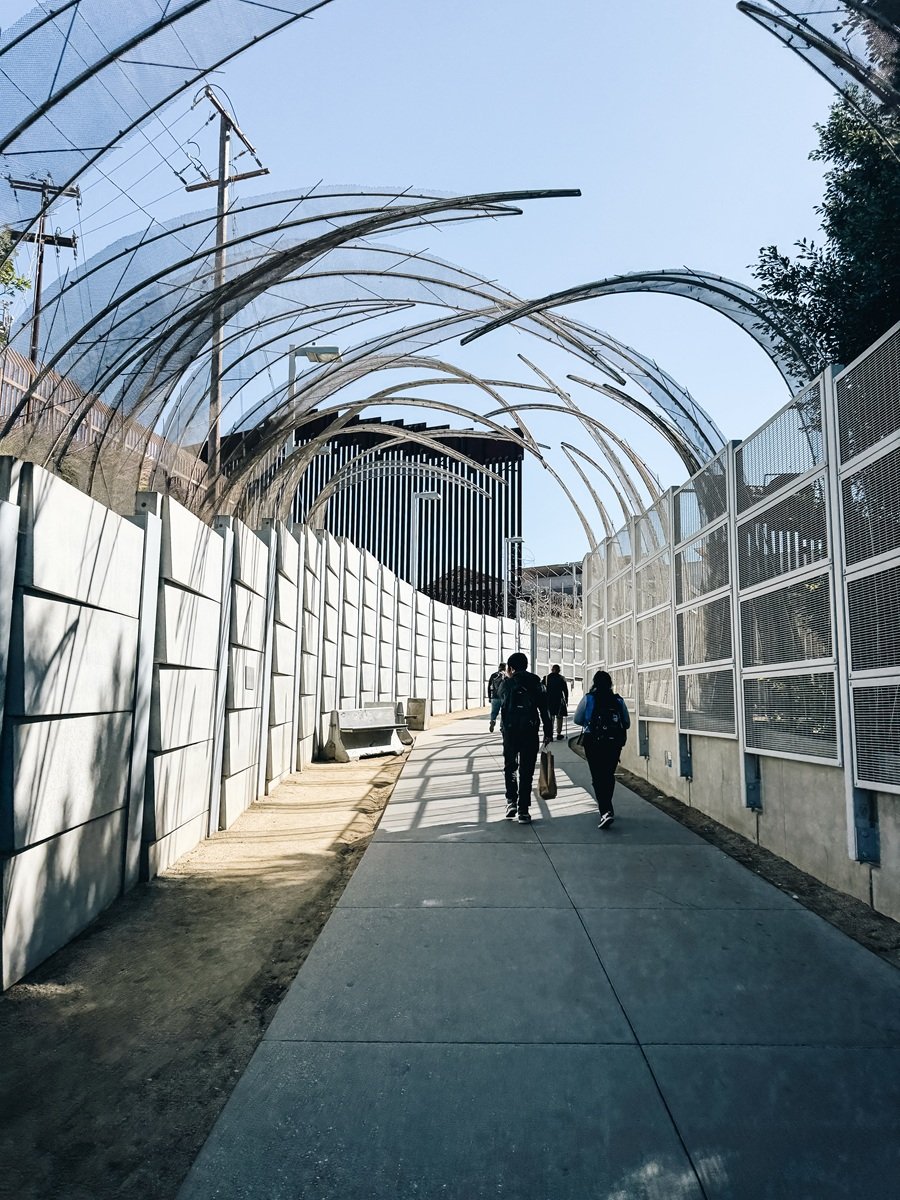
We walked across around 1:00 p.m. on a Sunday, and it took about 10 minutes at passport control plus a 5 to 7 minute walk through the pedestrian crossing. Pretty quick and easy.
Coming back into the U.S. is a different story. The pedestrian entrance is to the left of where you entered Mexico, and if you see a long line, you’re probably in the right place. We returned on a Thursday around 12:50 p.m., and it took about 1 hour and 20 minutes to cross. With Global Entry or Sentri, it would have been closer to 20 minutes. That expedited line is to the right and noticeably shorter.
Quick tip: You can check real-time pedestrian border wait times at the US Customs website (check here for autos). You can apply for Global Entry or Sentri at the Homeland Security website.
Car Rental
After much research, I rented a car in Tijuana and it was absolutely the right call for us. Instead of going directly through the car rental company, I booked through Expedia (this is where I usually book everything) from National Car Rental – Tijuana International Airport, and the price was about half of what it would have cost booking directly. I reserved a compact SUV, which I highly recommend since many of the roads in Valle de Guadalupe are dirt with lots of potholes and a slightly lifted vehicle makes you feel much more comfortable. The mandatory insurance was included (it said this on the Expedia website), and I added Expedia’s extra coverage for about $13 per day, which was far cheaper than buying additional coverage at the counter (more on insurance later). The total cost with insurance for five days was about $205.
The only hiccup? I booked the car in my name, but Peter was driving, so we had to pay about $10 per day to add him. Lesson learned: book under the name of whoever will actually be driving. We ended up with a clean Nissan crossover and had zero issues.
Quick tip: Before leaving the lot, take a full video and photos of the car. It takes two minutes and gives you total peace of mind.
Car Rental Insurance
If you’re driving in Mexico, there is mandatory liability insurance called TPL that you must have. This covers damages you cause to third parties in an accident, including injury, death, or property damage to other vehicles. Coverage is typically between 750,000 and 4,000,000 MXN, my rental included the required TPL coverage at 750,000 MXN, which is standard with most major rental agencies in Mexico.
On top of that, I chose to add extra collision coverage through Expedia before we arrived. It cost about $13 per day and covered theft or damage to the rental car itself. I highly recommend adding coverage ahead of time so you’re not standing at the counter feeling pressured into expensive upgrades.
Personal Automobile Insurance
If you’re thinking about driving your own car across the border, know that most U.S. auto insurance policies do not cover you in Mexico. You’ll still need to purchase Mexican liability insurance, even for your own vehicle. One of the most commonly used providers for short-term Mexico auto insurance is Baja Bound, which allows you to buy coverage online for the exact dates you’ll be traveling.
Driving to (and around) Valle de Guadalupe
Driving out of (and back into) Tijuana was probably the most stressful part of the entire trip. Between traffic, learning a new car, and watching Google Maps like a hawk, it felt a little chaotic at first. But we took a deep breath, drove slowly, and within 20 minutes everything felt completely manageable.
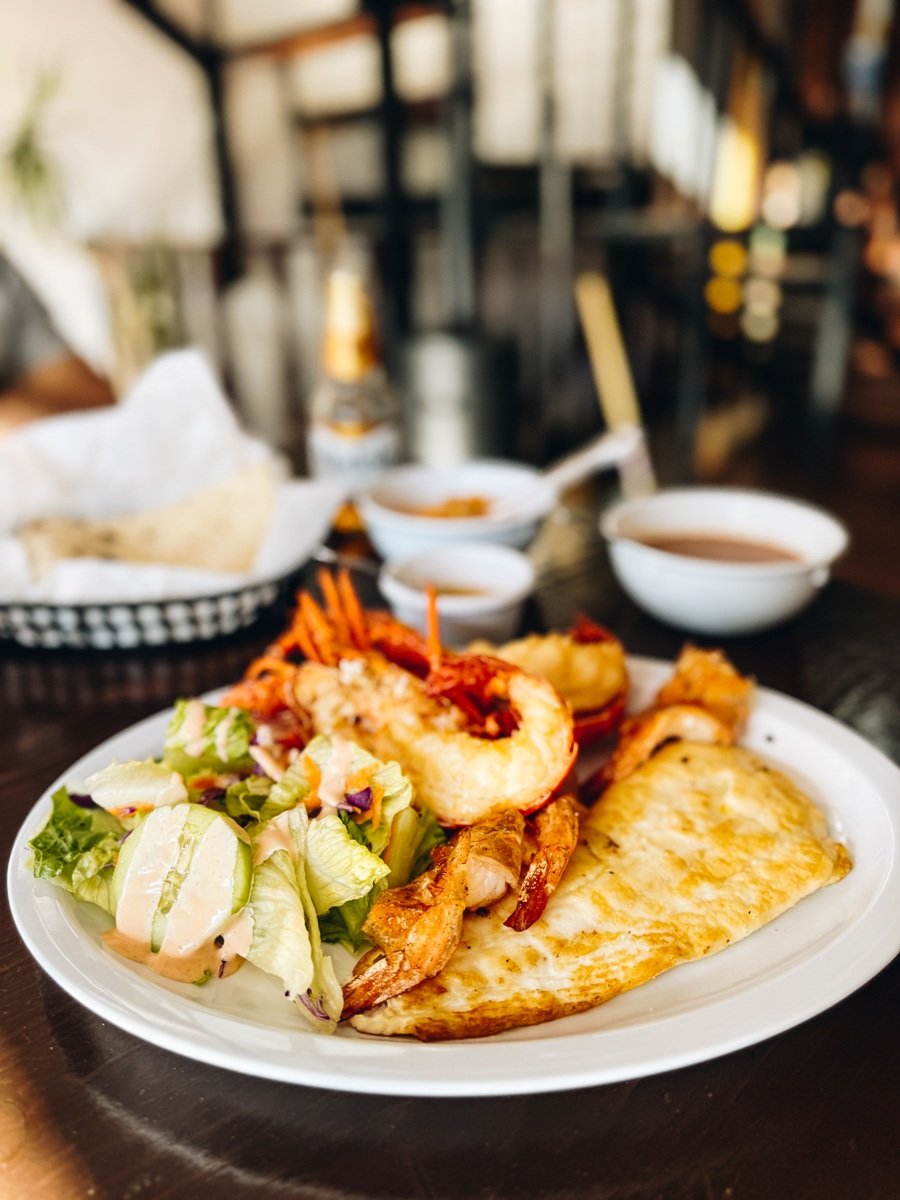
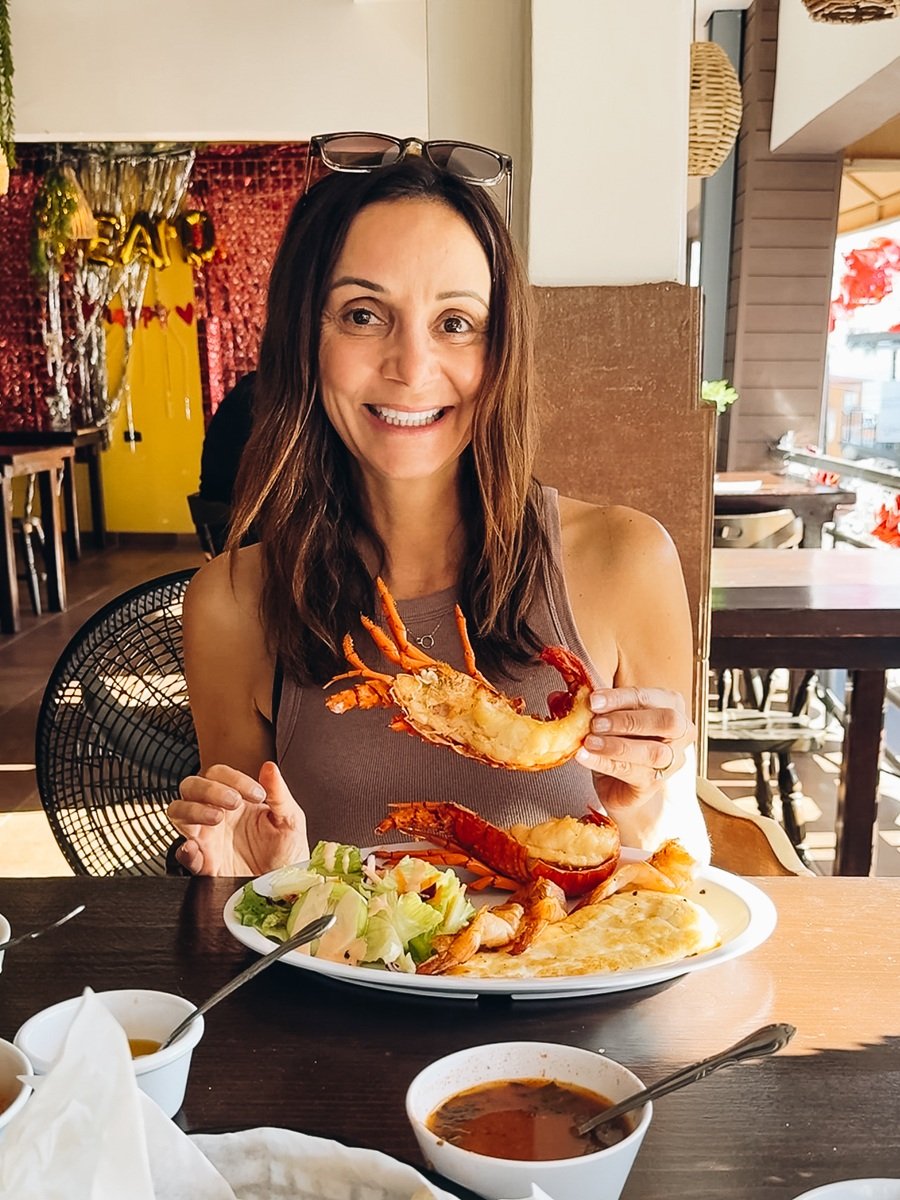
There are a few routes to reach Valle de Guadalupe, but we chose the coastal drive along Highway 1, and I’m so glad we did. It’s scenic, relatively easy, and makes the journey feel like part of the vacation. For lunch, many travelers stop at Los Portales de Garcia for the ocean views, though we decided to make our lunch stop in Puerto Nuevo at Restaurant Las Brisas, about an hour from Tijuana. It had better reviews and was definitely less expensive. We shared a massive seafood platter with lobster, shrimp, and white fish for around $25. It doesn’t have the ocean view, but there’s typically mariachis you can watch on the street below. and we even saw some eating at the restaurant, so you know it’s good.
Once in Valle de Guadalupe, driving was much easier than in Tijuana. Though, most roads leading to wineries and restaurants are dirt, often bumpy with potholes, so I was very happy we chose a slightly higher-clearance SUV. Through T-Mobile, we had cell service the entire time, and Google Maps worked perfectly for navigation.
Driving Tips: The driving rules felt similar to the U.S., and we had no issues. Along Highway 1, there are three toll booths, each costing roughly 47 to 51 pesos. You can pay in U.S. dollars, though I’ve heard they may not give change. We paid in pesos and received change without a problem. Gas stations are full service, so you stay in your car while the attendant fills the tank, which honestly feels like a little luxury.
Other Ways to Get to Valle de Guadalupe
If flying into San Diego and renting a car in Tijuana doesn’t feel like your style, you’ve got options. You can drive your own car across the border, hire a private driver, or join a guided tour from San Diego. It really comes down to how much flexibility you want and how comfortable you feel navigating on your own.
Hire a Driver
If you’d rather not drive, especially after wine tastings (which is completely fair), hiring a private driver for the day is an option. Many local drivers will pick you up at the border, take you to wineries and restaurants over six to eight hours, and it removes all the stress. To arrange in advance, book a Tijuana border transfer through Viator. They will pick up at the border or the Tijuana airport and take you to your hotel in Valle de Guadalupe. From there, your hotel can usually recommend someone trusted, or book this Guadalupe Valley private driver who will pick you up at your hotel and commit to taking you wherever you want to go in the area.
Take a Tour
If you want the simplest option of all, book a one-day wine tour departing from San Diego. The Luxury Private Wine Tasting Tour will drive you across the border and take you to three wineries. It’s ideal if you’re short on time or just want everything arranged for you without lifting a finger.
Things to Know Before You Go
Language: We got around just fine with very limited Spanish. At most wineries and restaurants, someone spoke English, and for everything else we leaned on Google Translate. With T-Mobile, I had solid cell service almost the entire time, which made navigating and translating easy.
Currency/Credit Cards/Banks: Most wineries and restaurants accepted credit cards and even U.S. dollars, but smaller taco stands and roadside spots often wanted pesos only. It’s smart to carry a little of both. You’ll find currency exchange booths at the airport and near the pedestrian border crossing.
Tipping: Tipping is customary. Most receipts had suggested tip lines from 10 to 20 percent, and we typically tipped around 15 to 18 percent.
Safety: I’ll admit, I was nervous about driving from Tijuana to Valle de Guadalupe, but the only real challenge was traffic in and out of Tijuana. Once on the highway and in the valley, it felt relaxed and comfortable. We drove to the valley during the day and around the valley at night without any issues, and we simply followed the same common-sense precautions we would at home.
You may read stories about travelers being pulled over and asked to pay a fine on the spot. I had heard amounts ranging from $20 to $50 depending on how much cash someone had on them. Some travelers choose to request going to the station instead. We carried limited cash just in case, but we were never pulled over and had zero problems during our time in Baja California.
Emergency Numbers
- 911 – General emergency number for police, fire, and medical
- 078 – Roadside Assistance (Green Angels)
- 060 – Police (may vary by municipality)
- 068 – Fire Department
- 065 – Red Cross / Ambulance
For more safety information, check https://travel.state.gov/content/travel.html.
Best Restaurants in Valle de Guadalupe
Valle de Guadalupe may not be Mexico’s most famous dining destination, but it’s one of the best. And honestly, that’s part of the reason I wanted to go there. The region is quickly becoming a culinary hotspot, with more than two dozen Michelin-recommended restaurants and chefs doing wildly creative things with Baja’s local ingredients. You’ll find everything from traditional Mexican dishes with modern twists to authentic Moroccan tagines and wood-fired feasts that rival fine dining anywhere in California.
Here are some of my recommended spots to dine:
Troika
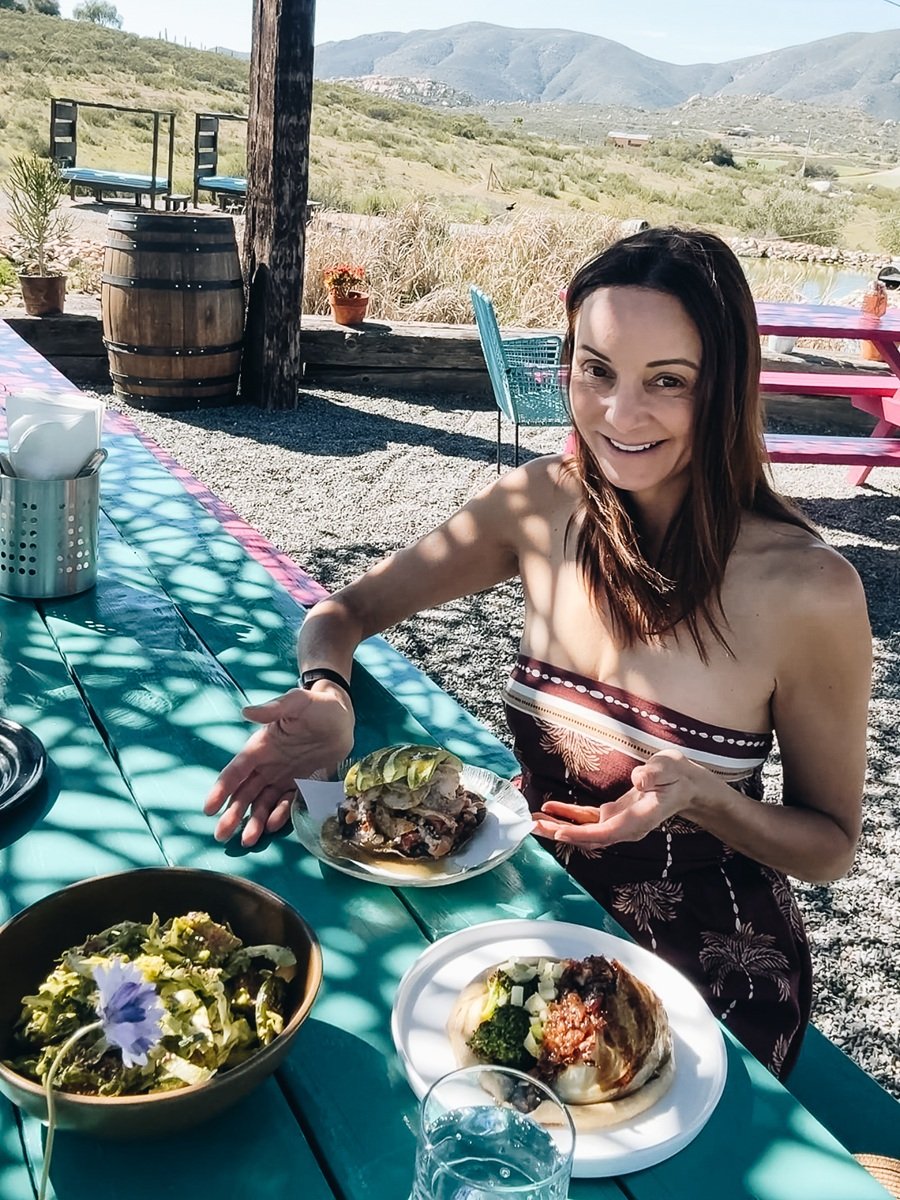
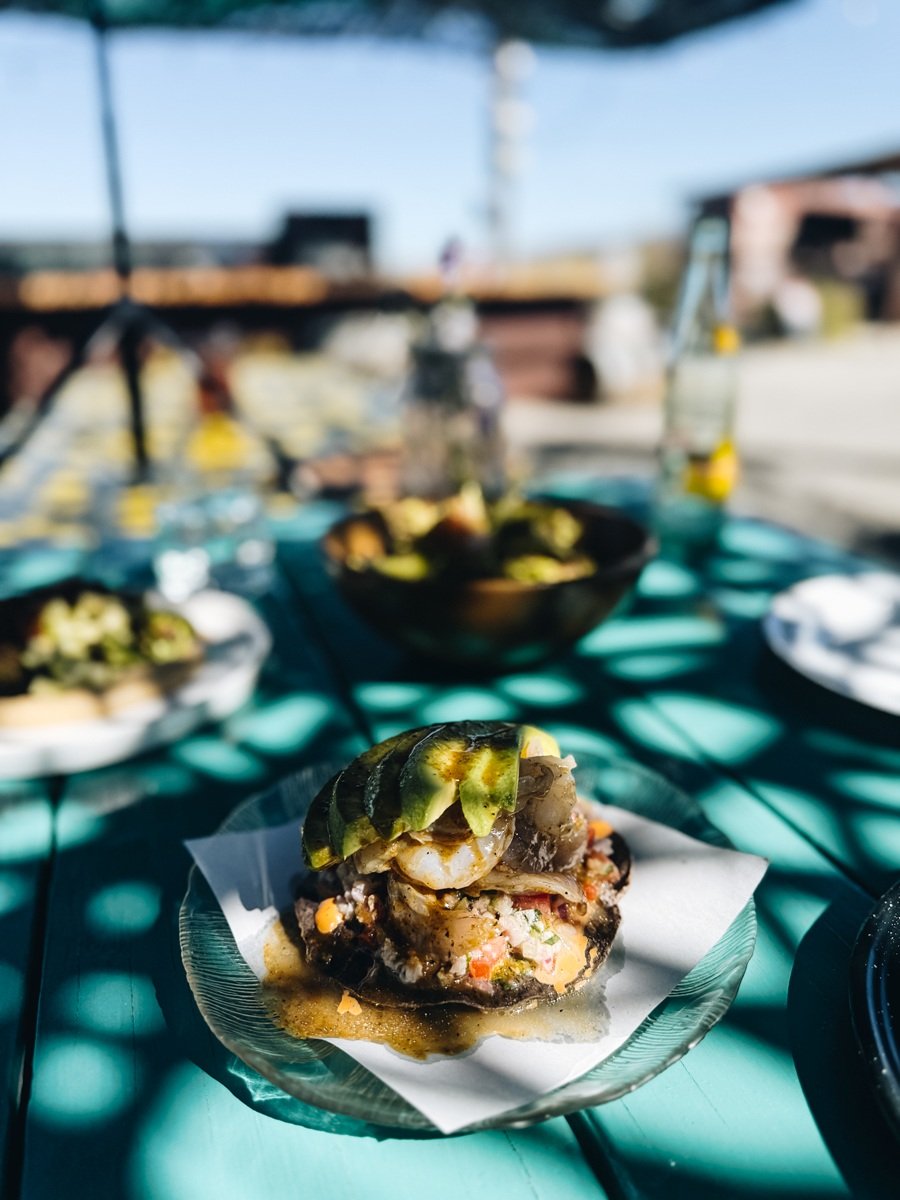
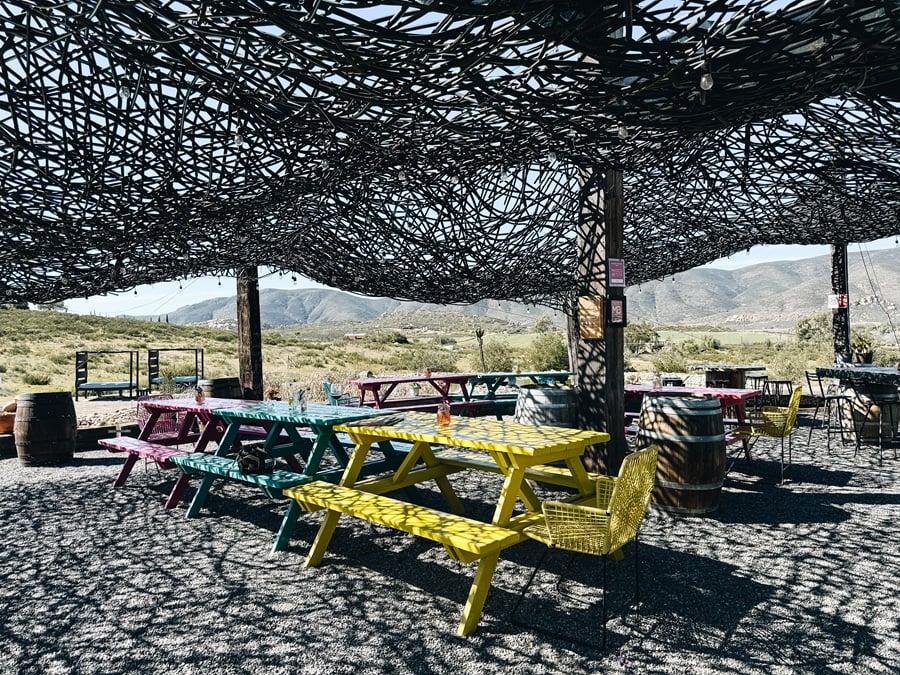
Set beside Vena Cava Winery, Troika is an unassuming food truck delivers some of the most exciting flavors in the valley, from the most delicious grilled cabbage to aguachile tostadas, all best enjoyed with a glass of Phil Gregory’s Big Blend and vineyard views.
Kous Kous
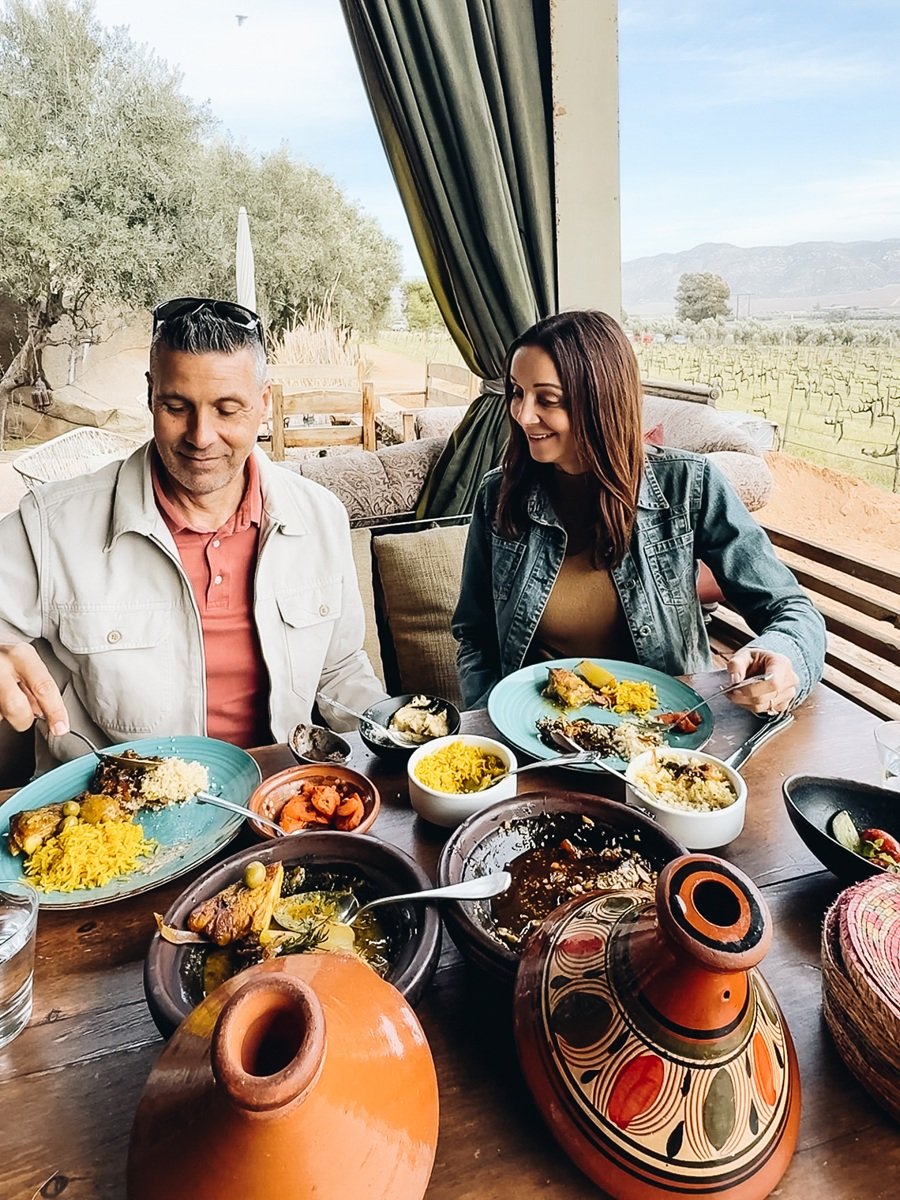
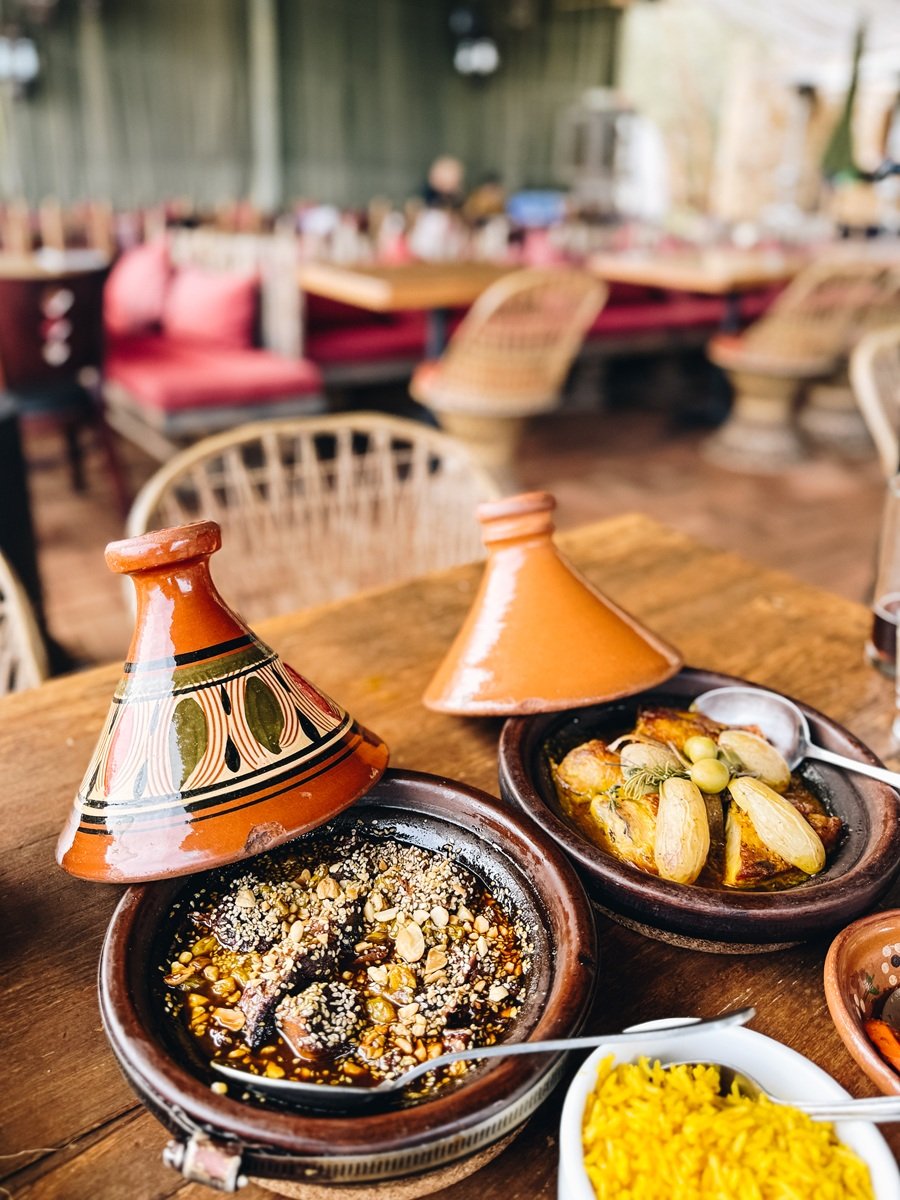
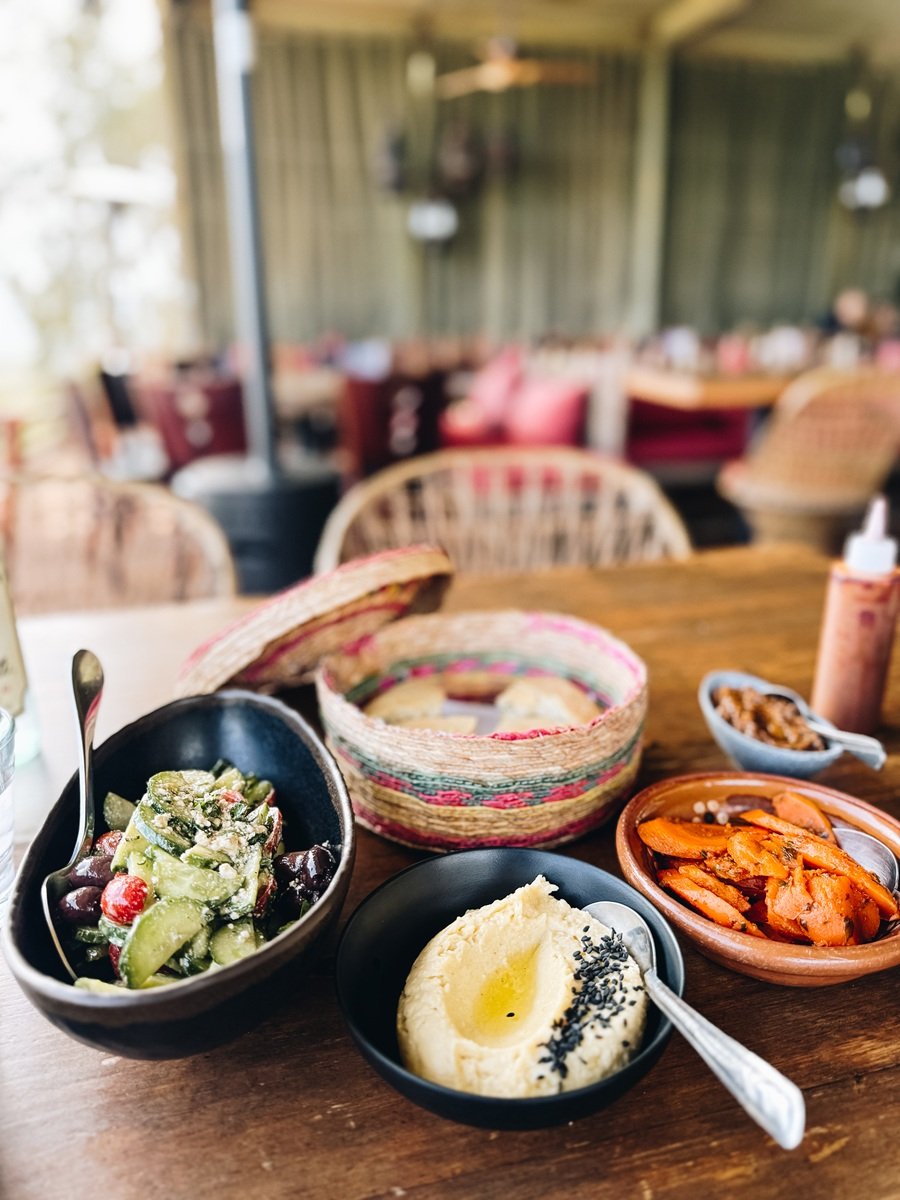
Located at Anatolia Winery, Kous Kous is a Moroccan gem serving family-style tagines like honey lamb and lemon chicken in a lantern-lit, pillow-filled setting that feels both transportive and deeply rooted in Baja’s local ingredients.
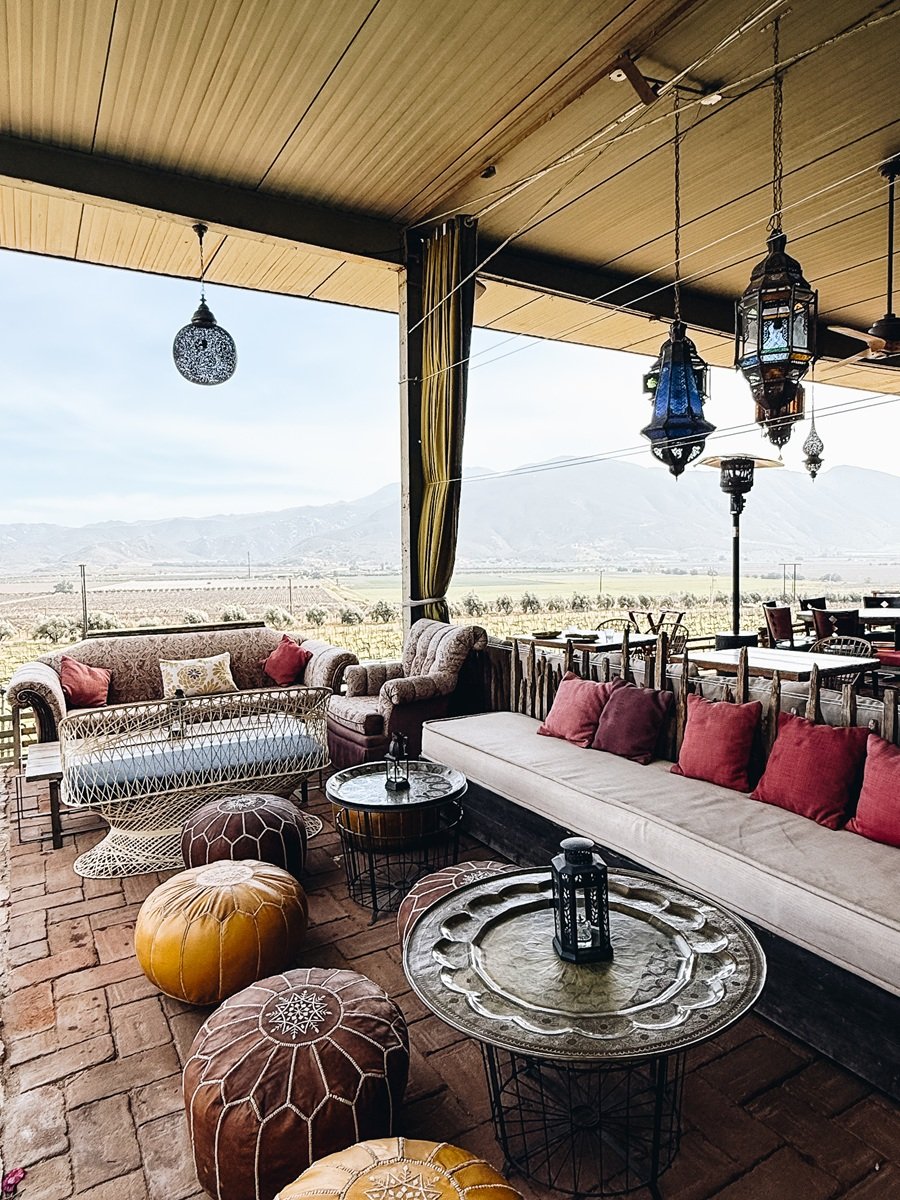
Finca Altozano
An open-air restaurant overlooking the vineyards, Finca Altozano blends rustic charm with elevated Baja cuisine, serving wood-fired dishes like grilled octopus, bluefin tuna tostadas, and oak-grilled quail alongside regional wines. Plus, some of the cutest rescue dogs are roaming around the dining room!
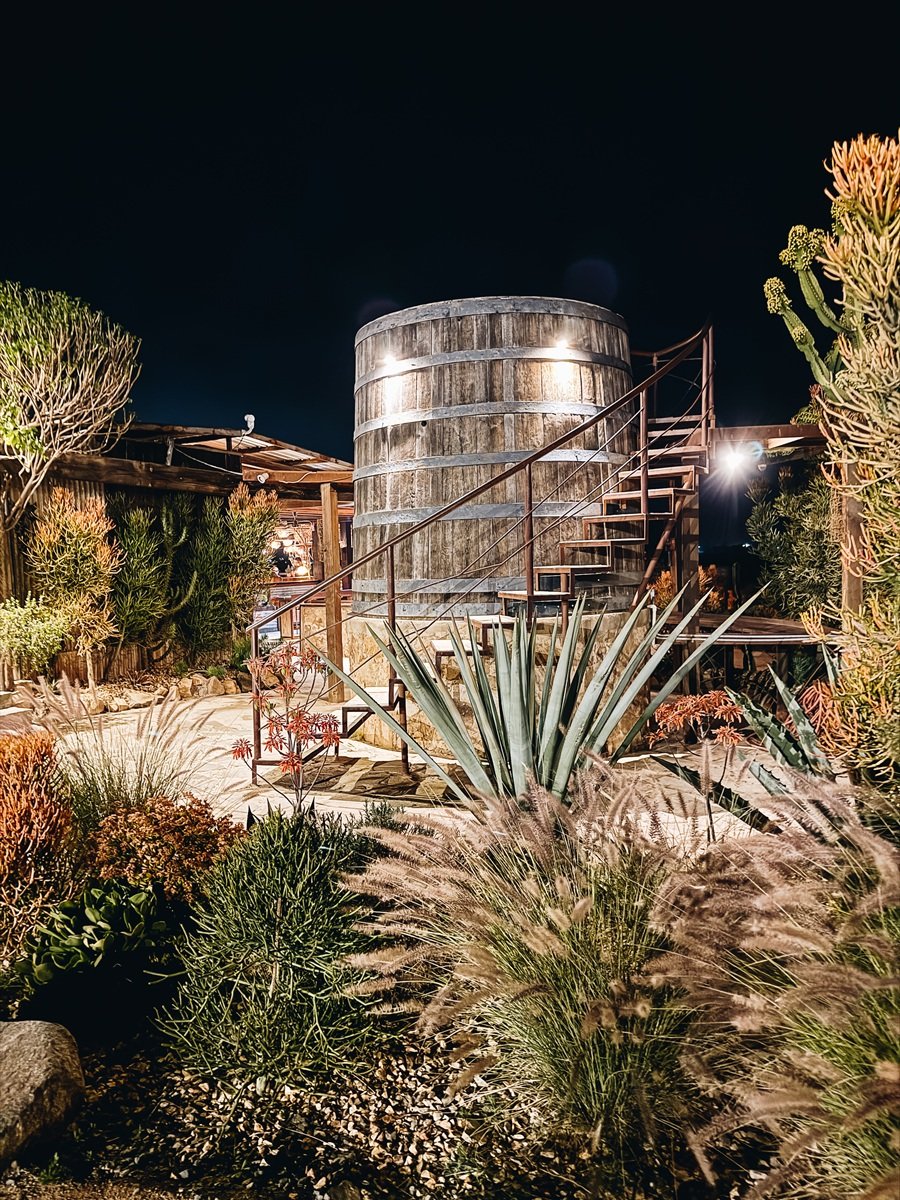
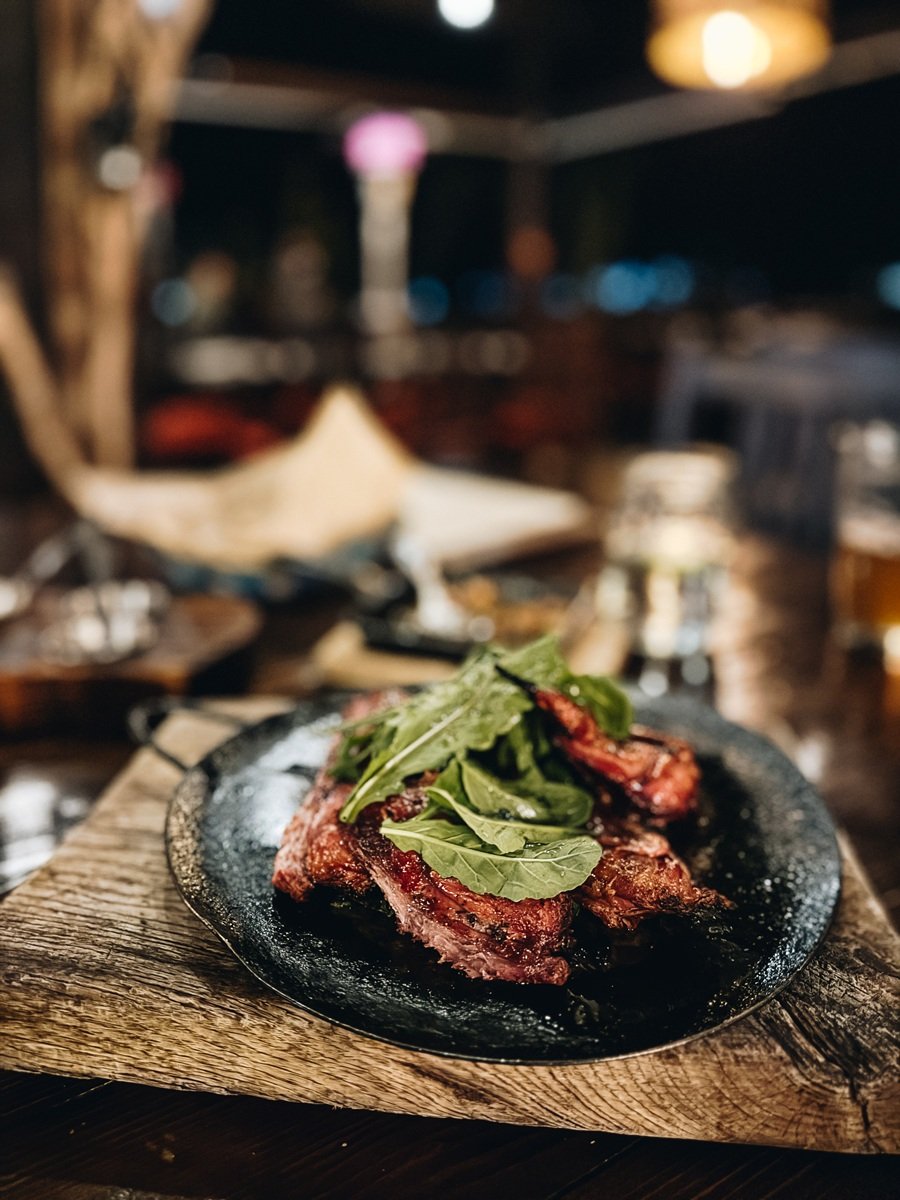
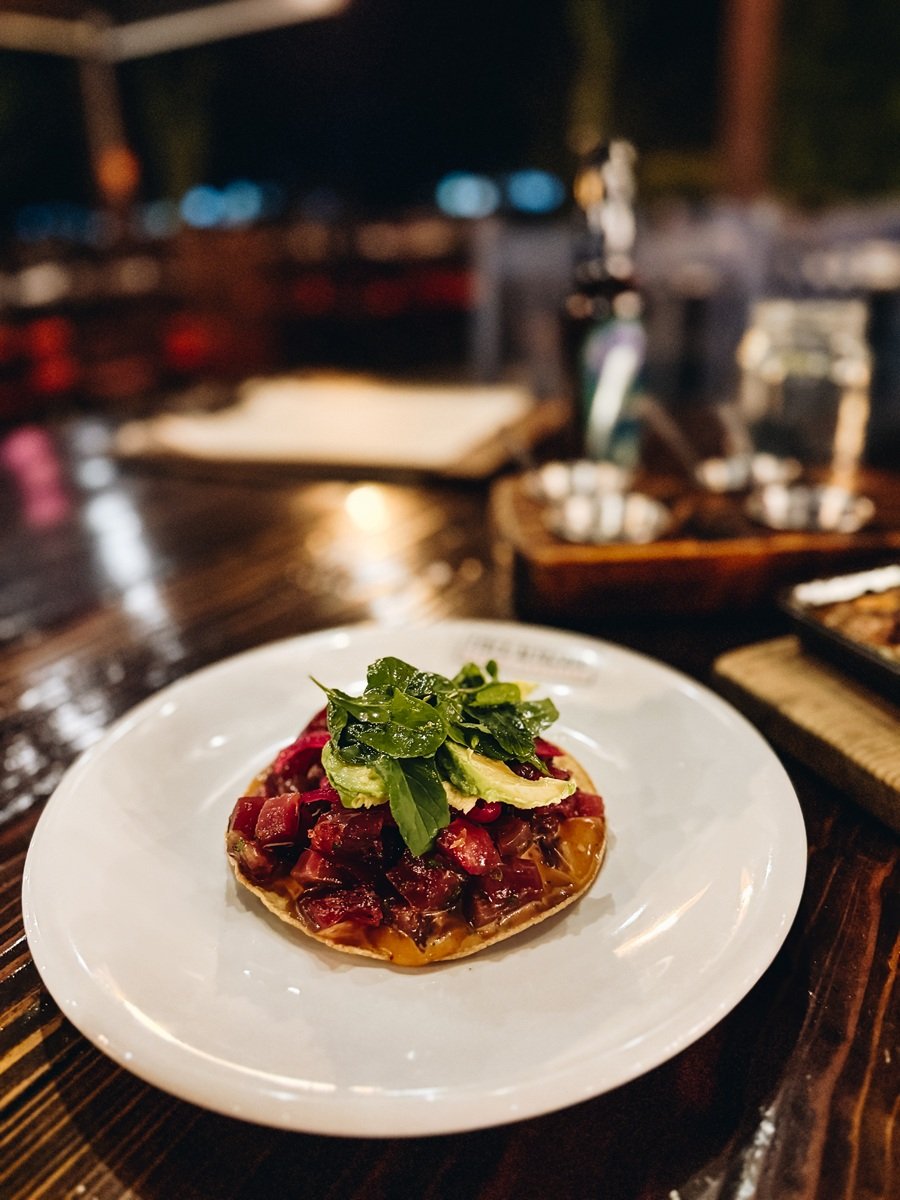
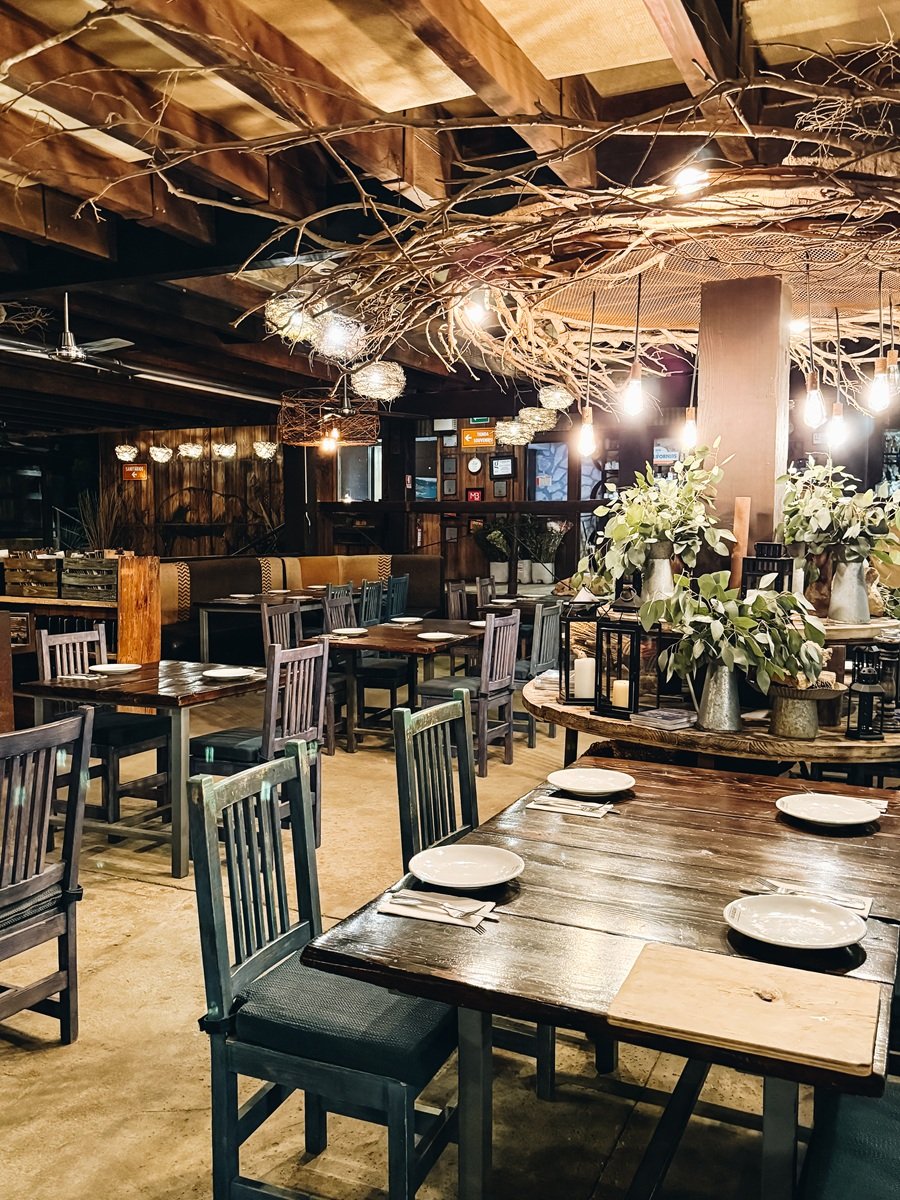
Bruma Wine Garden
Run by Chef David Castro Hussong and set on the grounds of Bruma Wine Resort, Bruma Wine Garden’s stylish indoor-outdoor spot pairs inventive dishes like green fish ceviche and octopus pizza with a swanky and relaxed wine garden atmosphere.
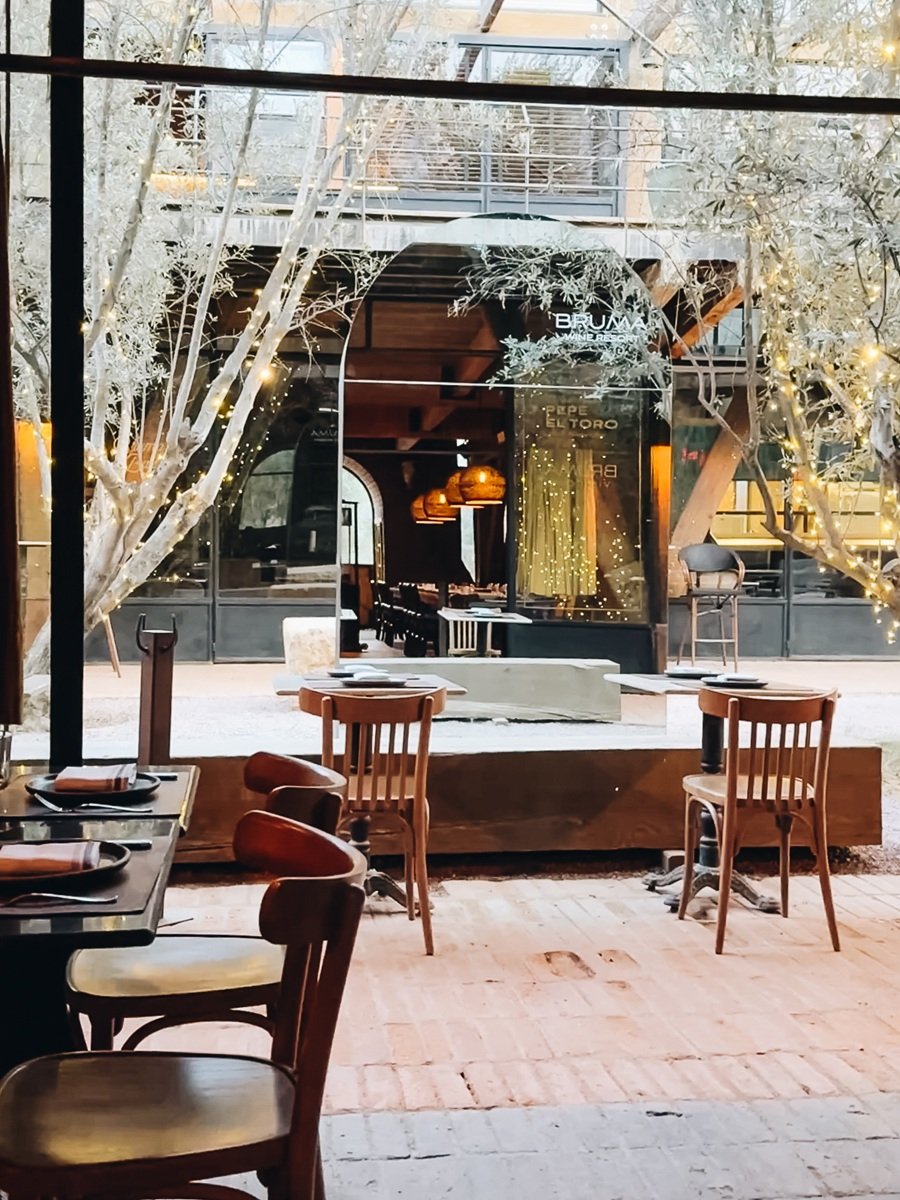
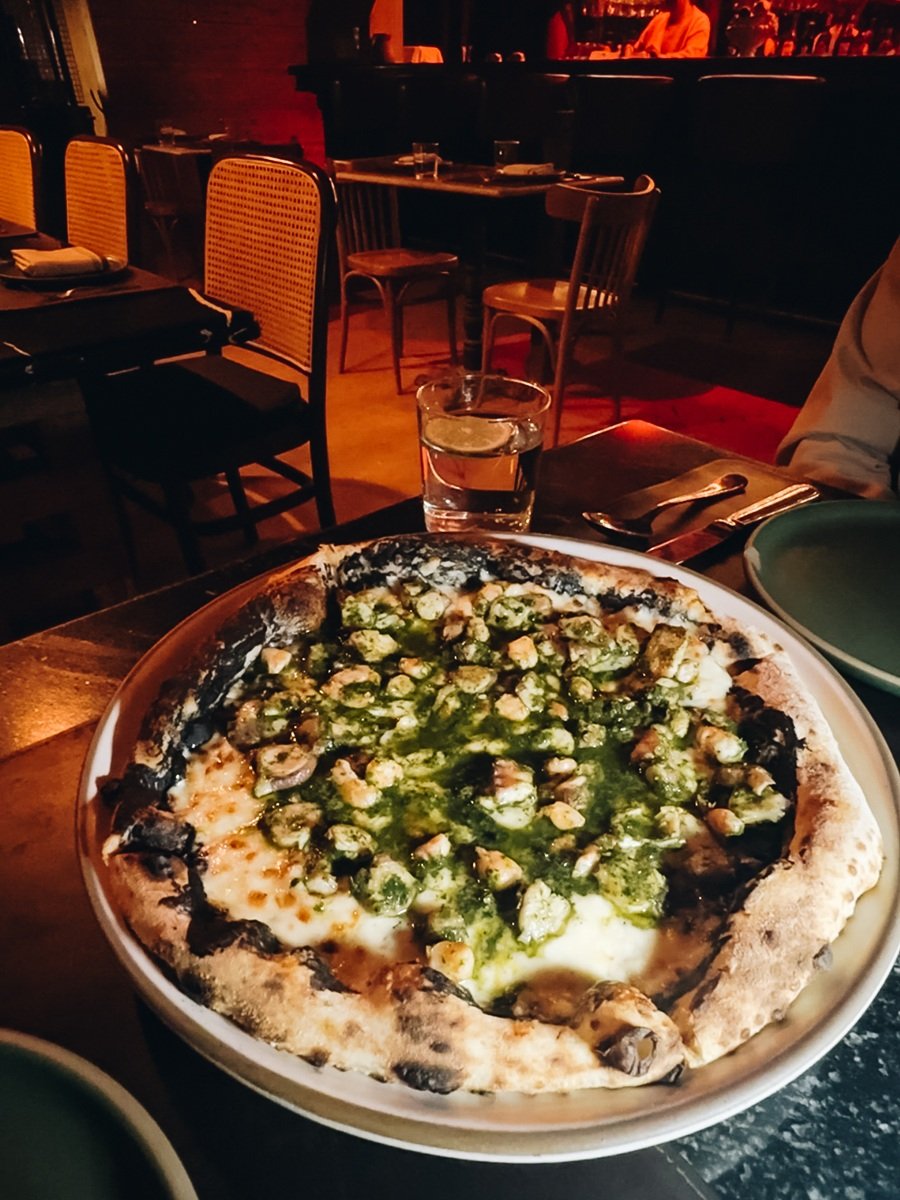
Quick Restaurant Tip: We went in February and didn’t need to make a reservation at most places, but definitely make reservations if you’re visiting during spring, summer, and harvest season. The food scene here is on fire, and the best tables book up quickly.
Restaurants on My List for Next Time
Here’s a list about each spot that kept coming up when I asked locals where they love to eat:
- Damiana: A refined, ingredient-driven restaurant known for beautifully plated seasonal tasting menus highlighting Baja’s local farms and seafood.
- Deckman’s en el Mogor: A Michelin-recognized outdoor dining experience where wood-fired dishes are prepared under the trees at Mogor Ranch.
- Envero en el Valle: A contemporary Mexican restaurant offering polished tasting menus and vineyard views in an elegant yet relaxed setting.
- Fauna: One of the valley’s most celebrated restaurants, known for its ever-changing communal tasting menus and bold, creative presentations.
- Lunario: A stylish, modern dining space serving inventive Baja cuisine with a strong focus on seasonal and local sourcing.
- Malva: A long-standing favorite offering refined Baja-Med cuisine in a serene garden setting.
- Olivea Farm to Table: A farm-focused restaurant celebrating hyper-local ingredients with rustic elegance and beautiful countryside views.
- Once Pueblos: A chef-driven concept highlighting regional Mexican flavors through thoughtfully curated tasting experiences.
- Villa Torél: A sophisticated dining destination offering seasonal tasting menus that showcase the very best of Baja’s produce and wines.
Best Wineries in Valle de Guadalupe
With more than 100 wineries scattered across the hills of Valle de Guadalupe, narrowing down where to sip, especially with only a weekend to spare, can feel nearly impossible. After plenty of research and a little friendly debate, these are the spots I ultimately chose, and was happy with the lineup.
Vena Cava
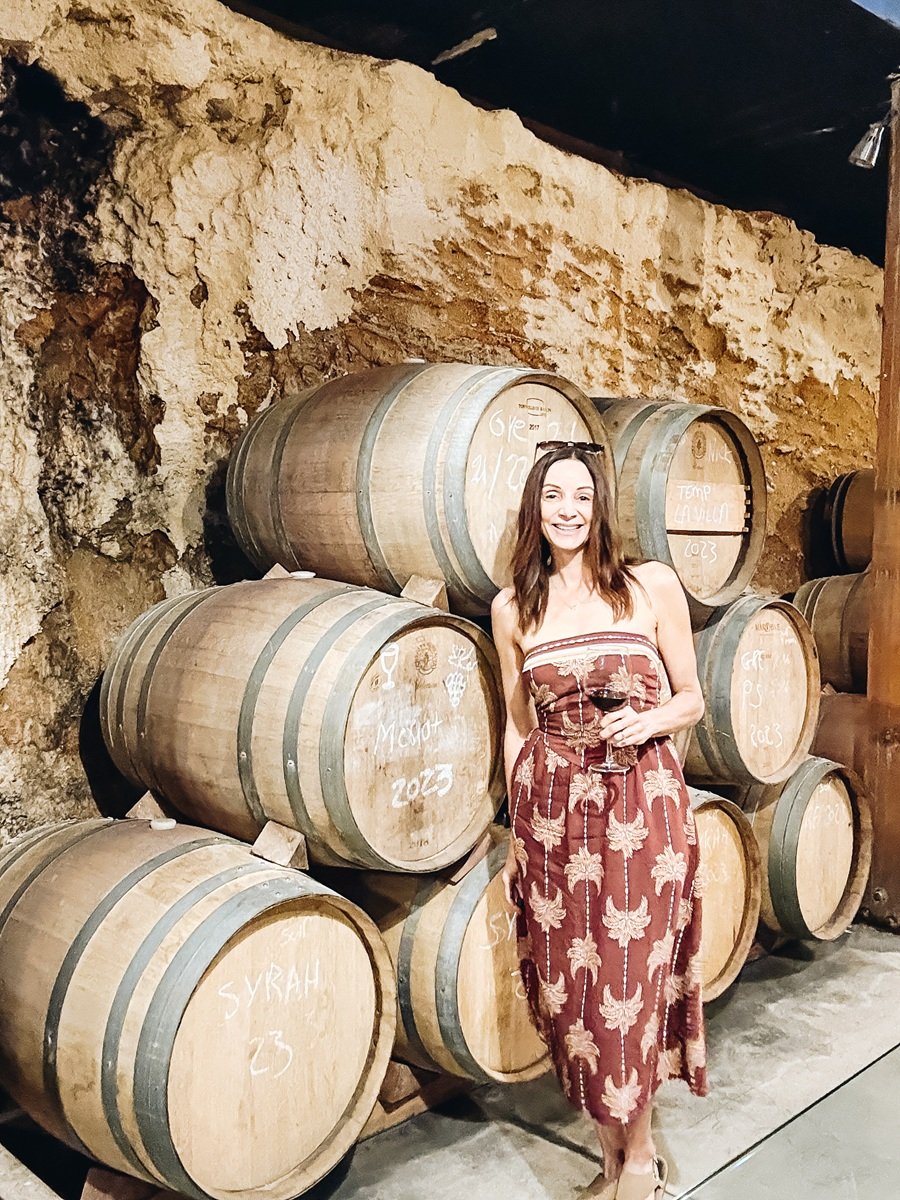
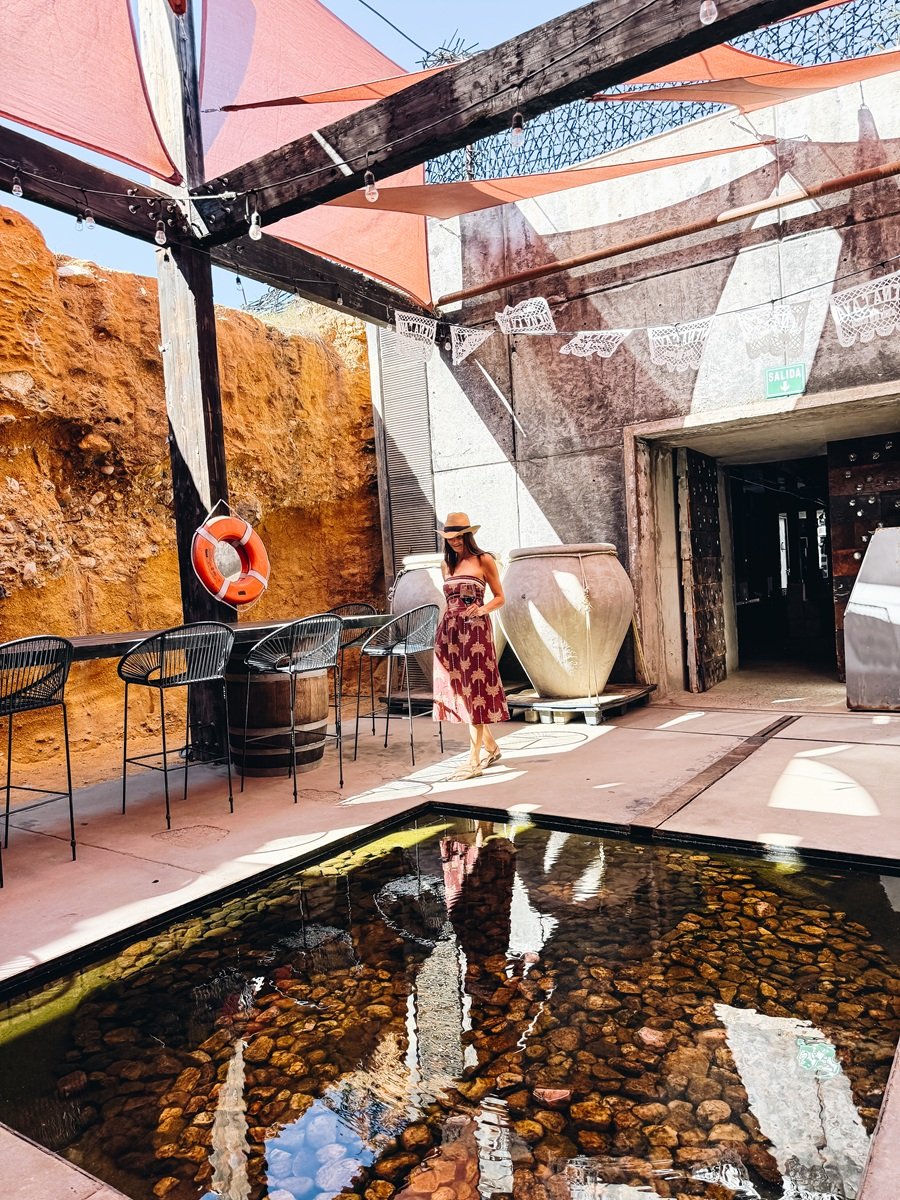
Vena Cava is one of the most creative wineries in Valle de Guadalupe. Its iconic upside-down boat roof, built from reclaimed hulls sourced near Ensenada, sets the tone for a space made largely from recycled materials. The winery produces organic grapes and inventive blends alongside classics like Cabernet Sauvignon and Tempranillo. Tastings take place either in the barrel-lined cellar or outdoors overlooking a duck pond. PS: the delicious Troika food truck is located onsite!
Vinos Lechuza
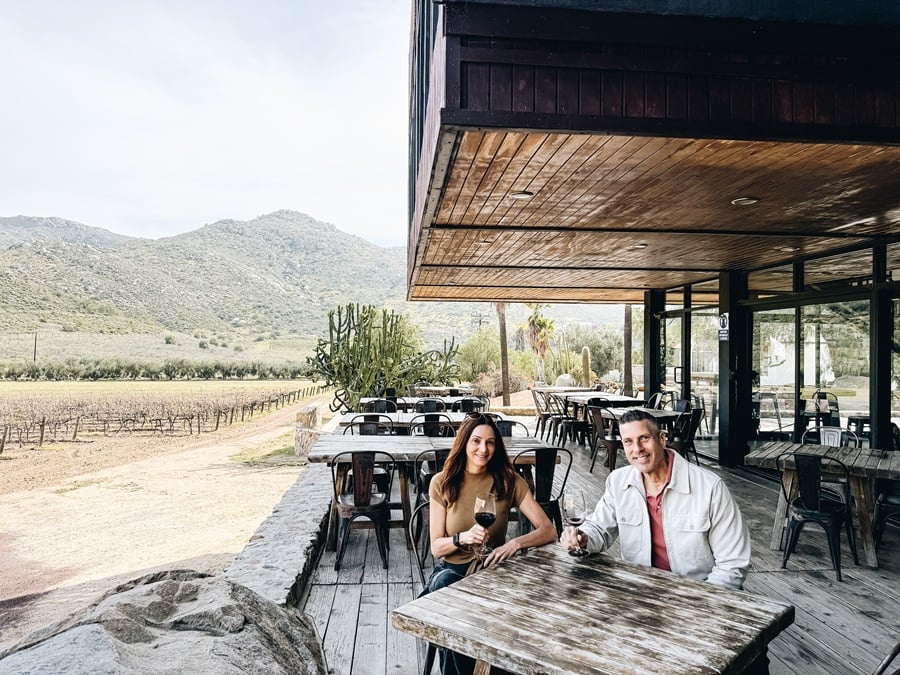
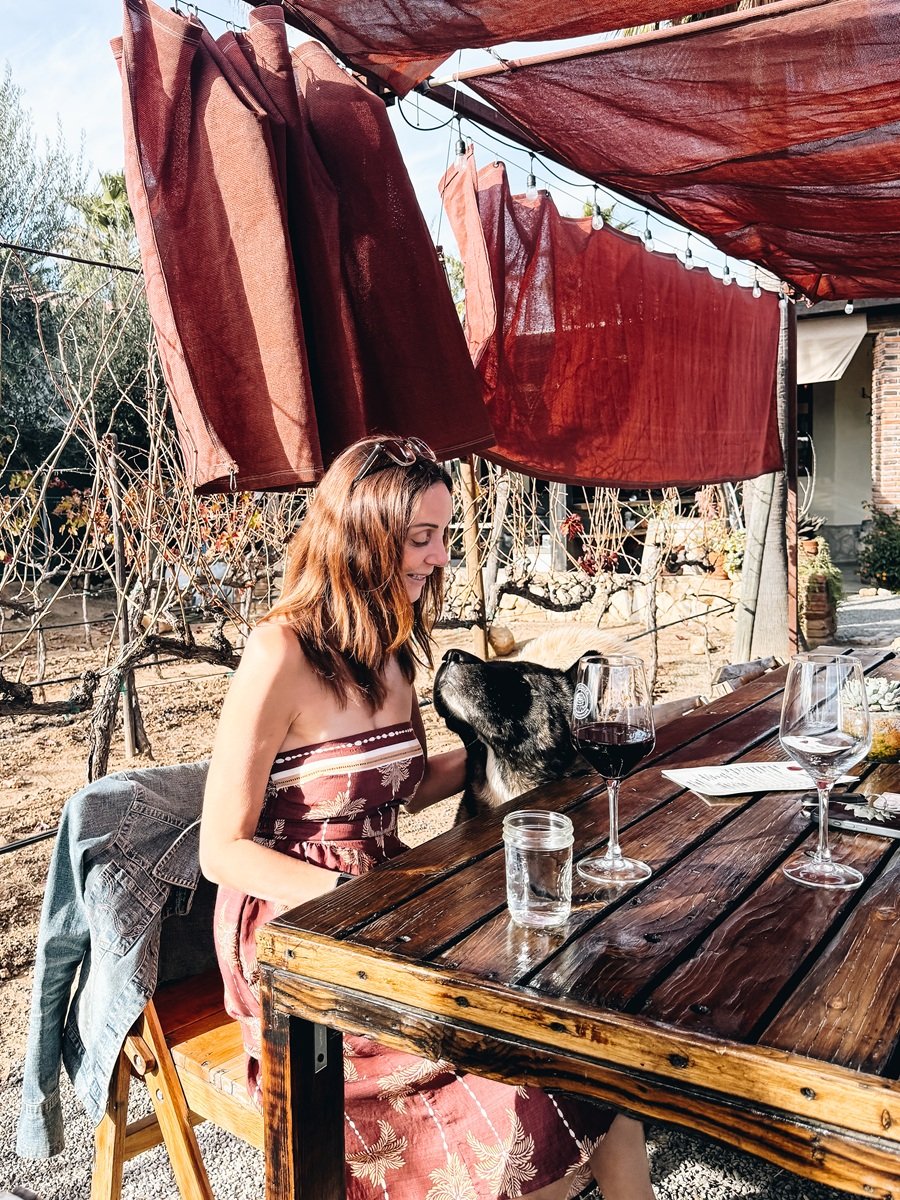
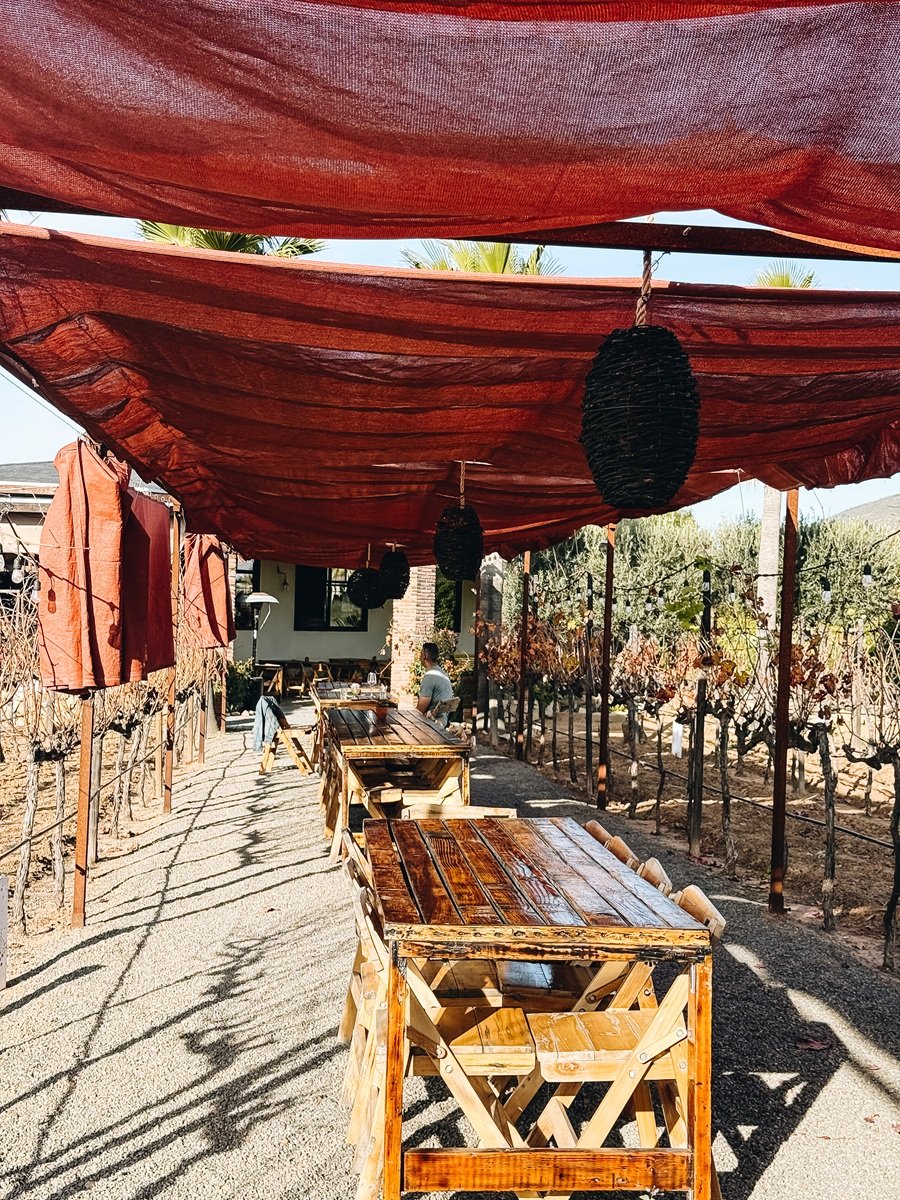
Vinos Lechuza is all about sustainability, craftsmanship, and a genuine love for the land. Farmers first, the team puts so much care into the vineyards, producing small-batch wines full of character. The setting is peaceful, with tables tucked right among the vines so you feel completely immersed. We loved their Merlot and went home with a bottle of Amantes, a bold, fruit-forward blend of Cabernet Sauvignon, Syrah, and Nebbiolo. It’s just off the main highway but feels calm and welcoming, making it such an easy stop in the valley.
Bodegas Magoni
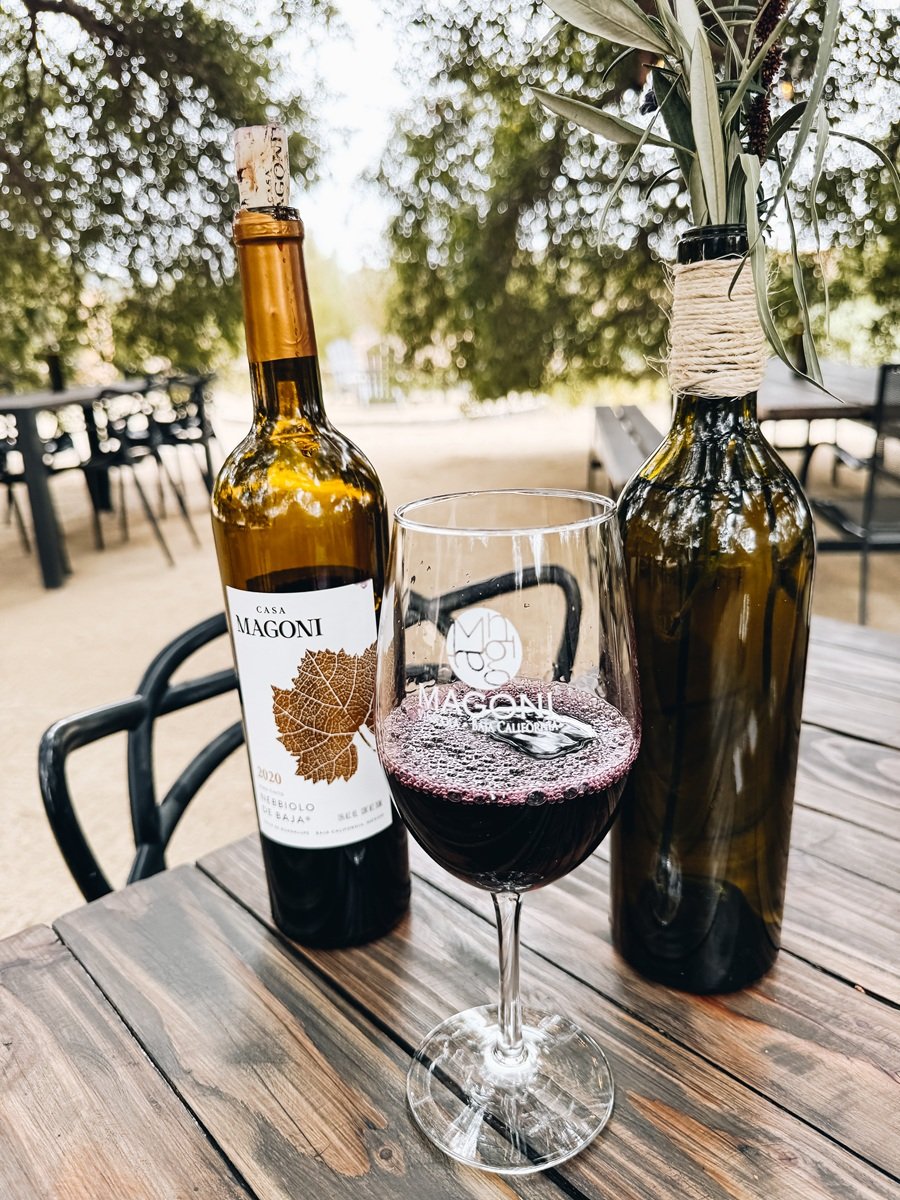
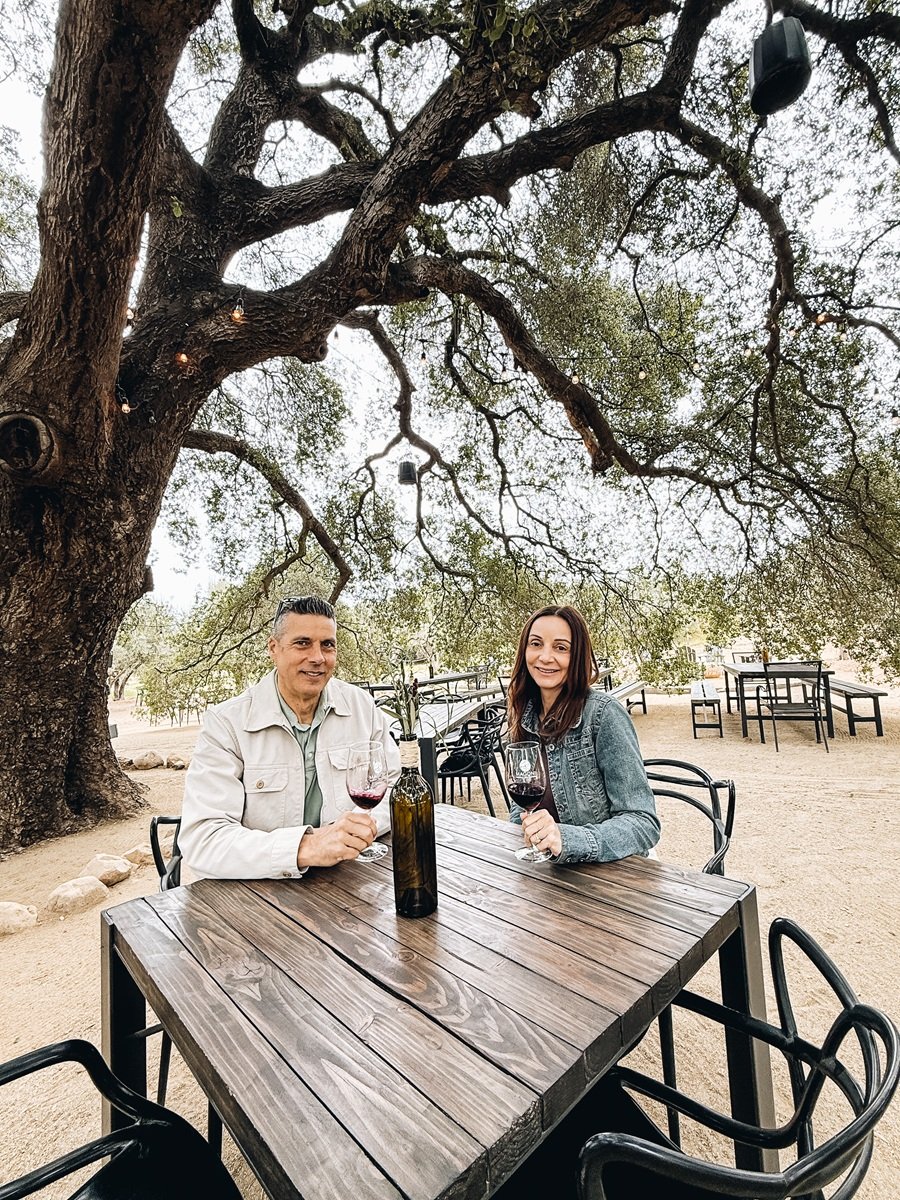
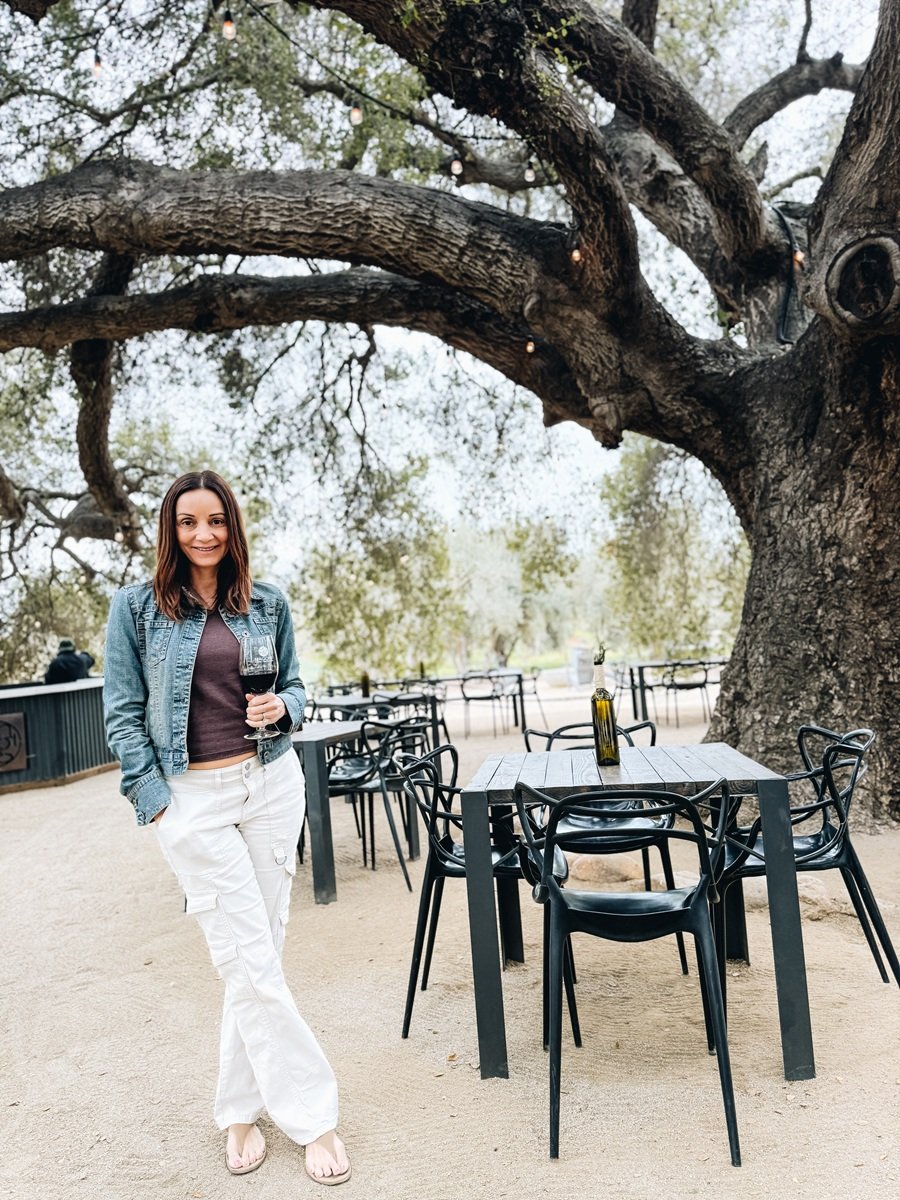
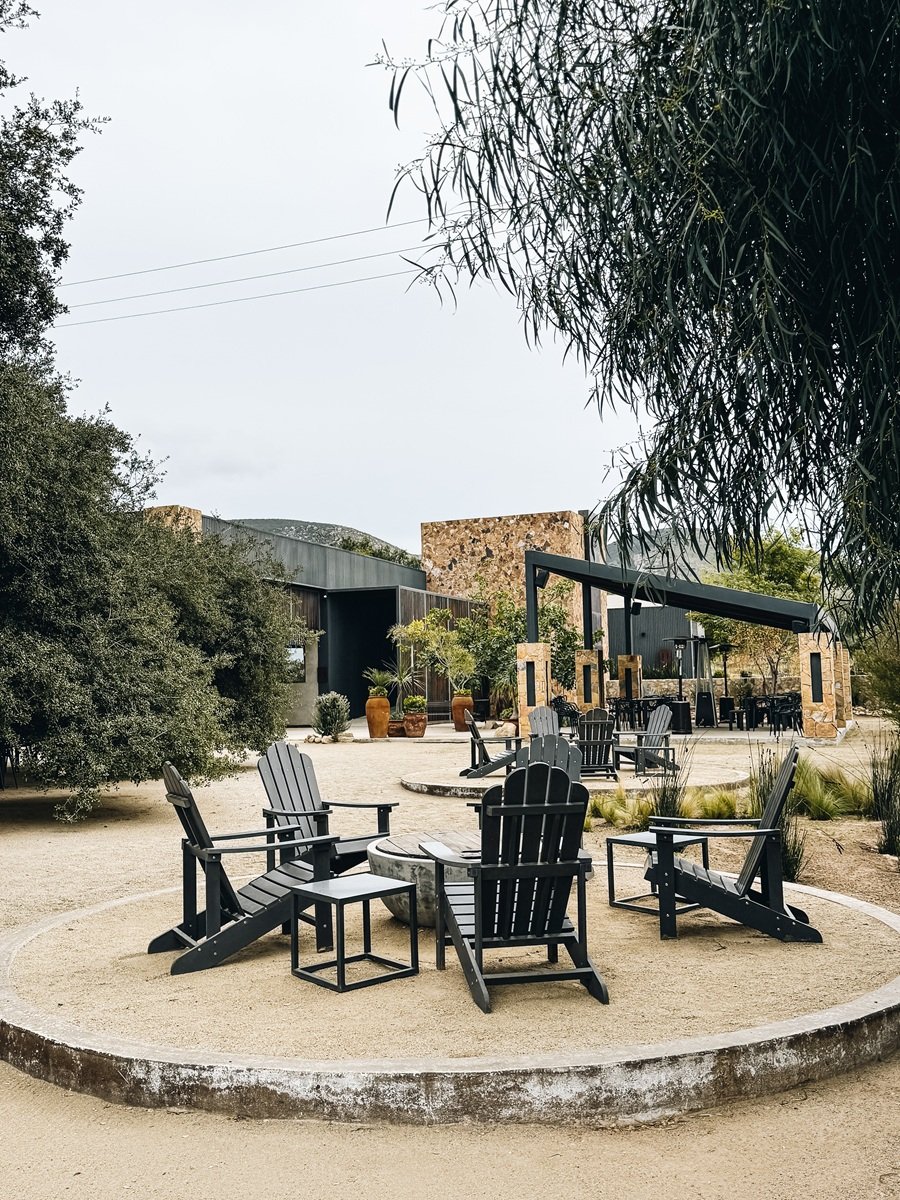
Bodegas Magoni reflects the legacy of renowned winemaker Camillo Magoni, who has helped shape Baja’s wine scene for decades. The family-run winery offers approachable, affordable wines in a clean stone tasting room with indoor and outdoor spaces. The property is beautiful, but the true highlight is its magnificent 500-year-old coastal live oak, where our wine tasting was under its massive branches.
Vinos Xecue
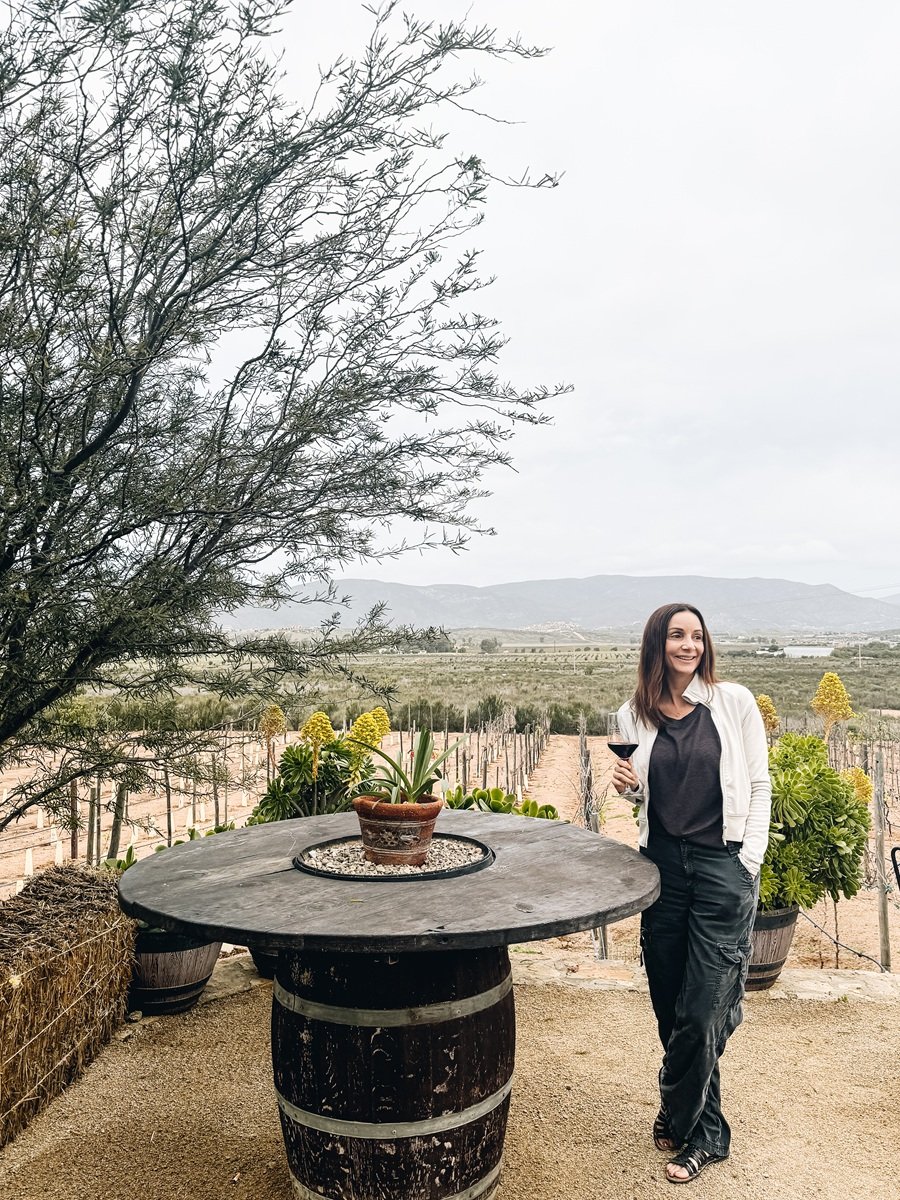
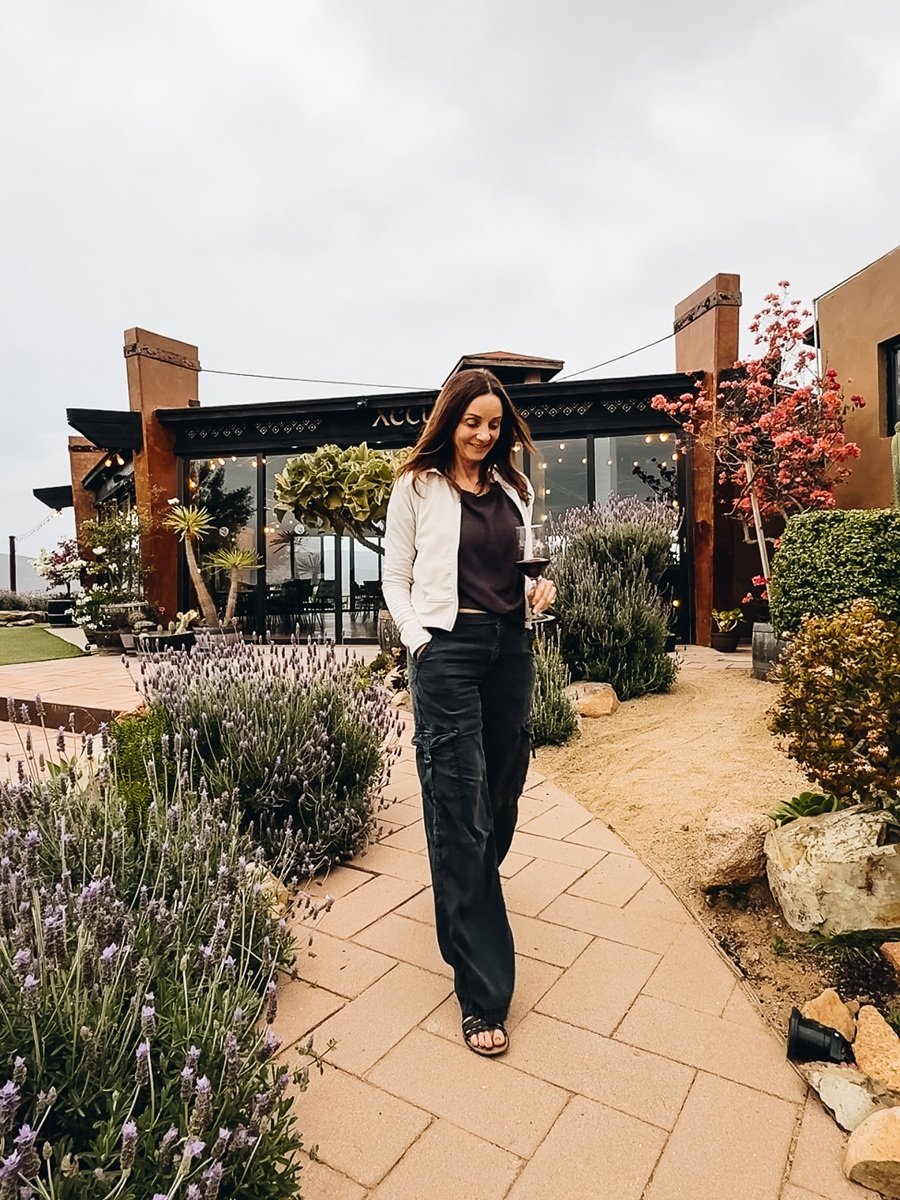
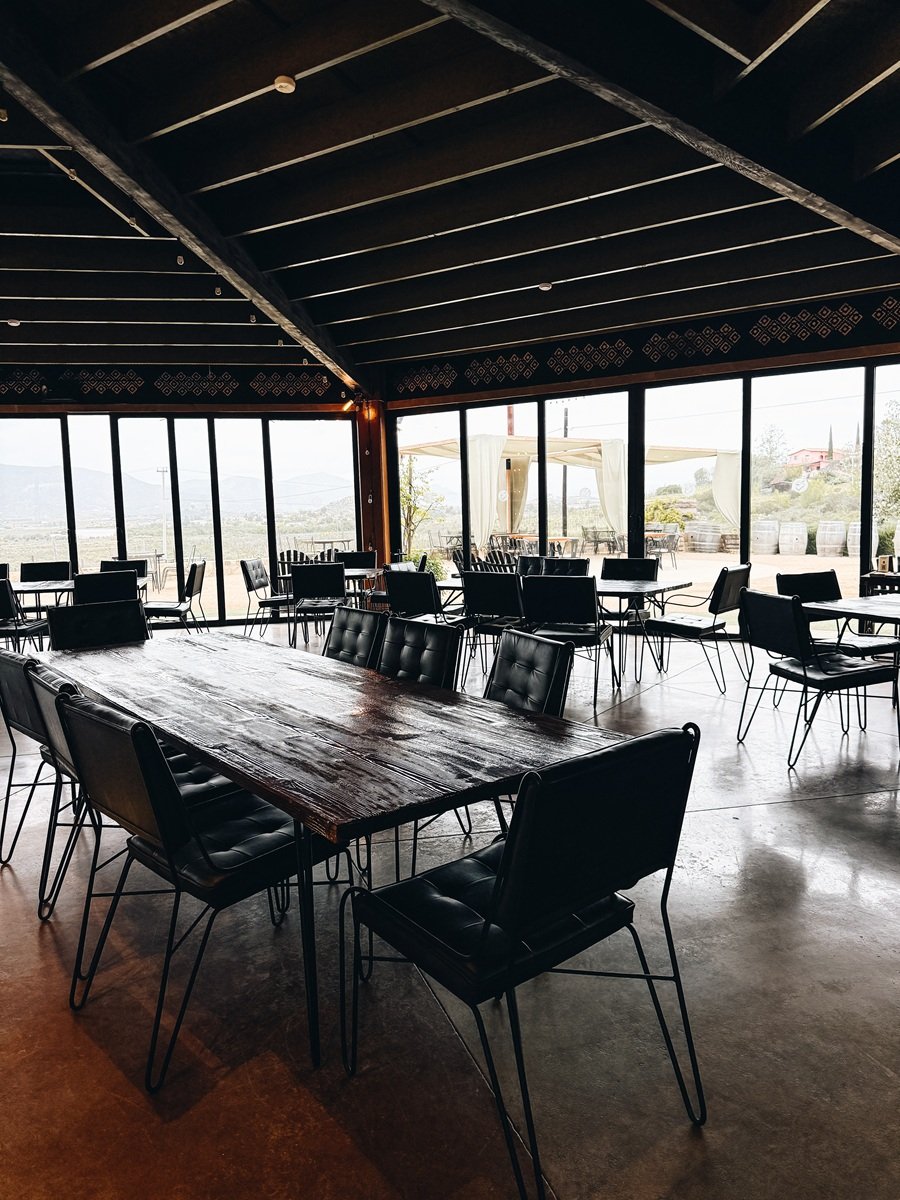
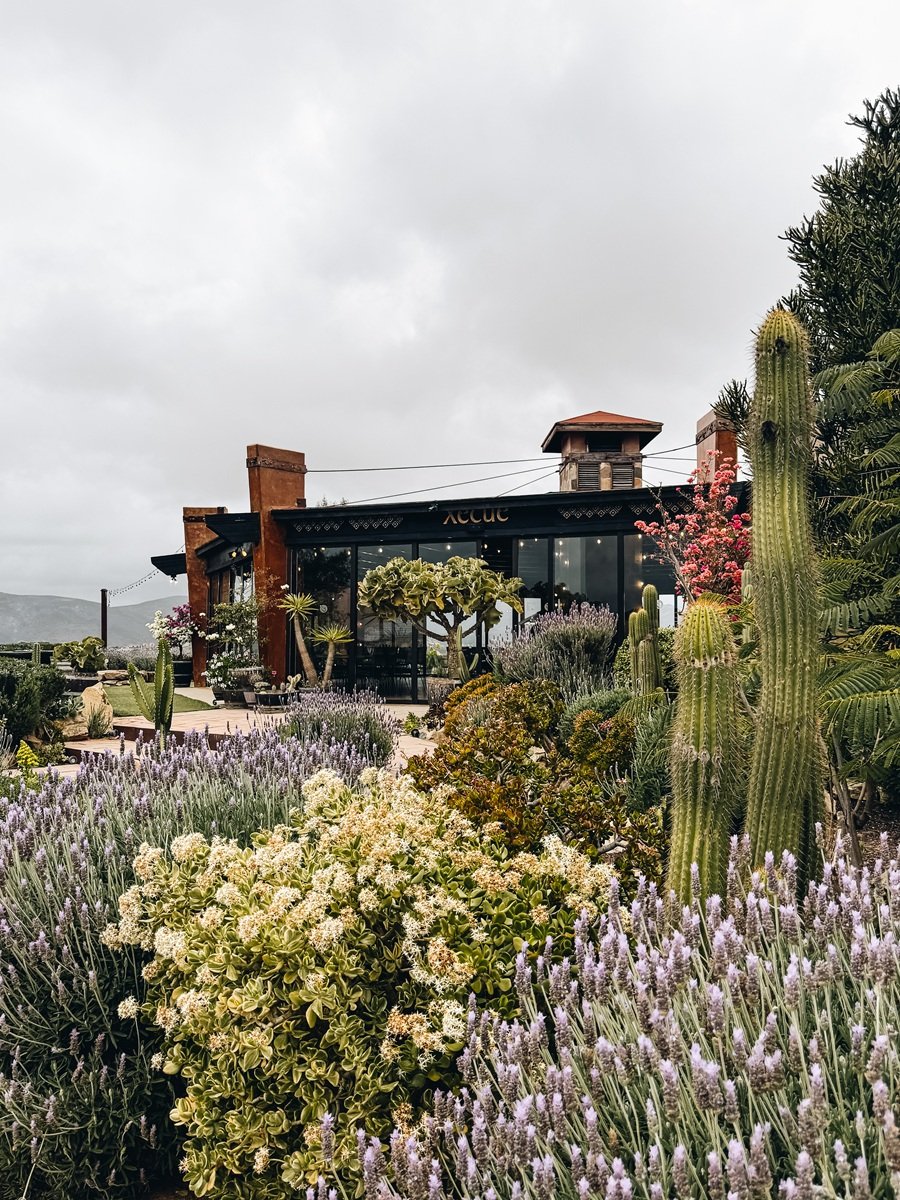
Vinos Xecué is built on the idea that wine brings people together, and its name comes from the Kiliwa word for “love.” What started as small-batch home production has grown into a warm, welcoming winery known for expressive, terroir-driven wines. We loved their Reserva red so much we went back before leaving, and the smoked tuna and octopus tacos were just as memorable. If you visit, ask for Daniel, he made the experience even more fun.
Viña de Frannes
Tucked into the hills, Viña de Frannes blends modern architecture with roots that trace back to the 1930s. The building itself feels sleek and contemporary, but the interior has a warm, rustic touch that reflects their traditional wine styles. Set on 50 acres of vineyards surrounded by desert landscaping and olive trees, the views from the open patio are absolutely beautiful.
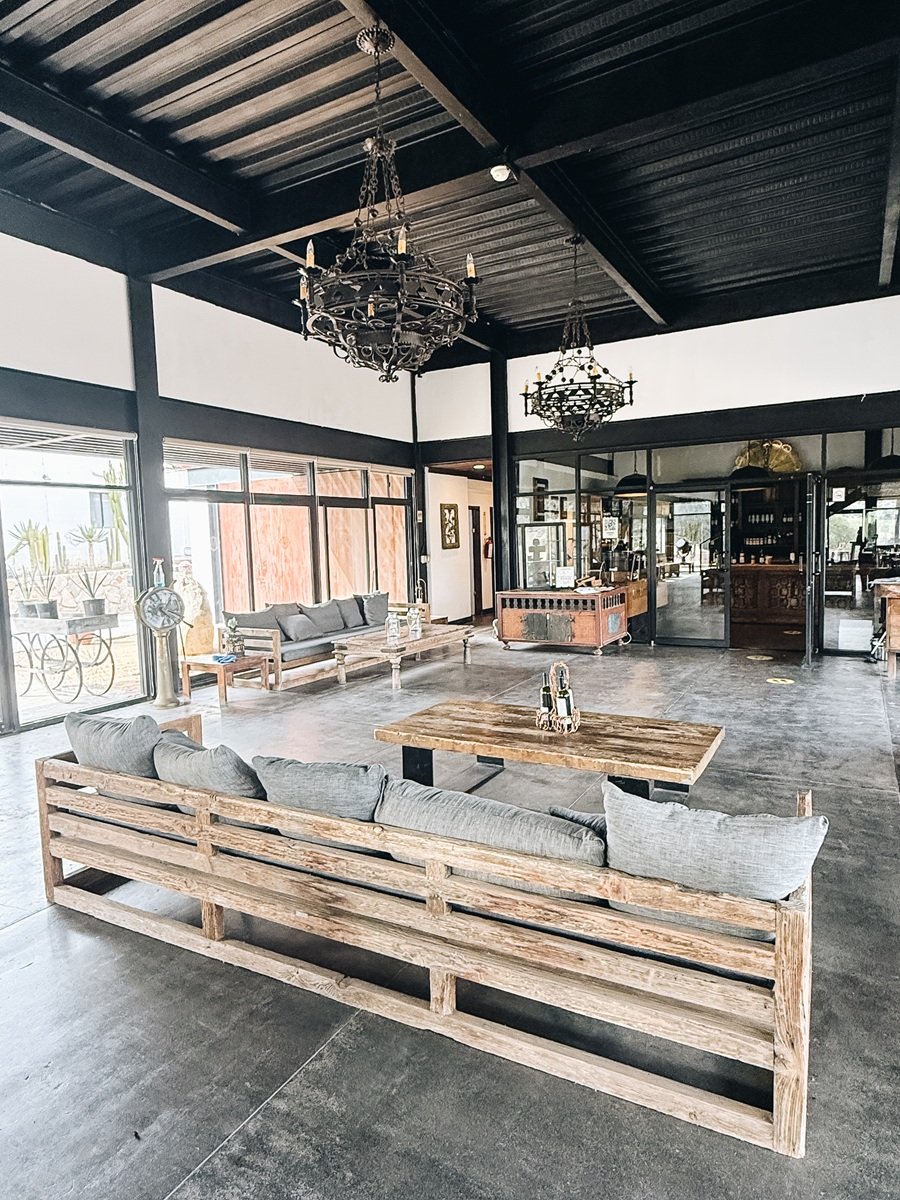
Bloodlust Wine Bar
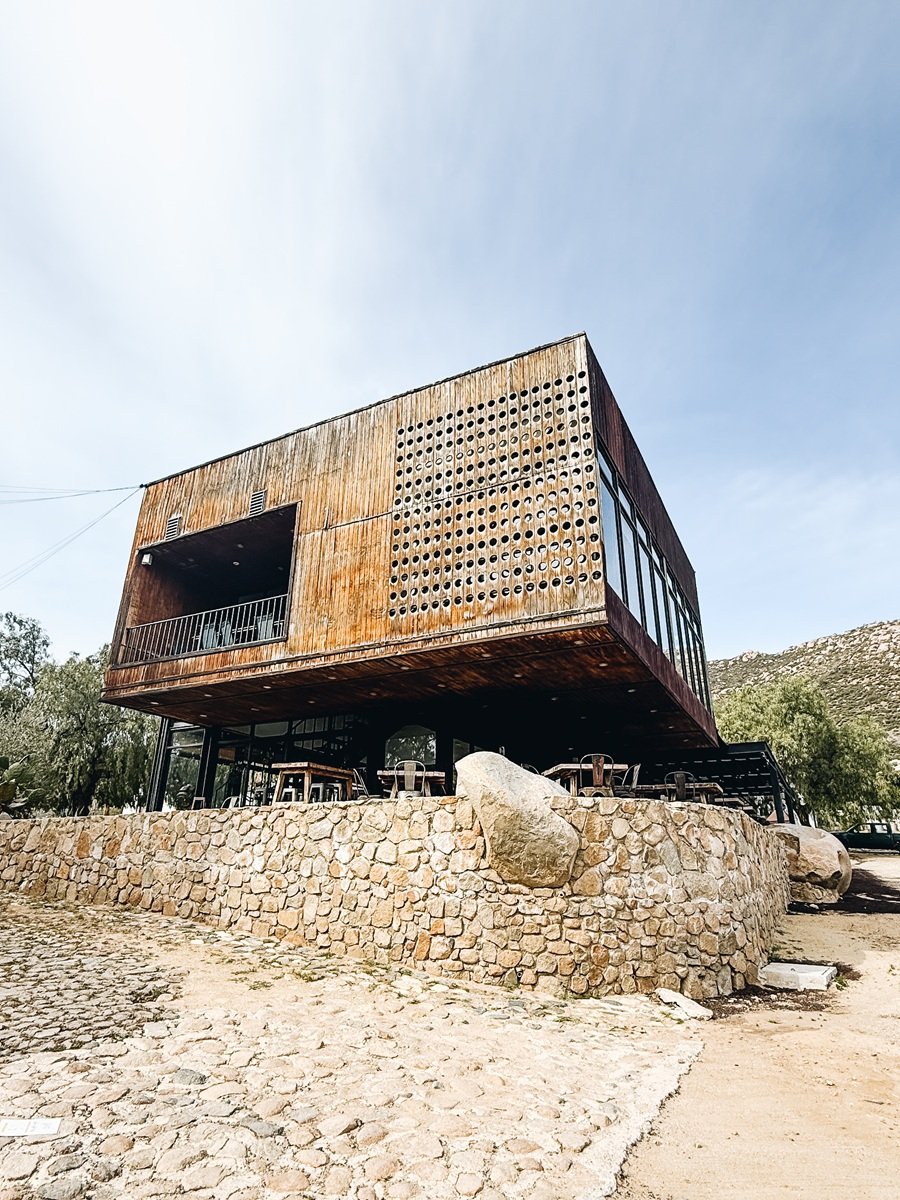
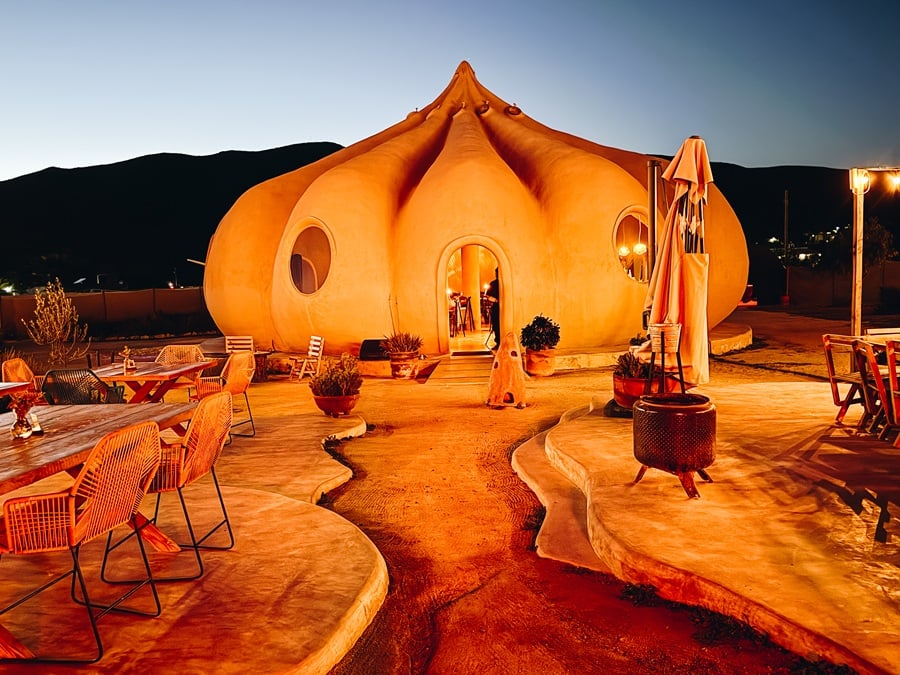
Bloodlust Wine Bar is a moody, art-forward space blending wine, music, and surreal design. Its ferrocement exterior resembles dripping wine drops, while inside, candlelight and DJ sets create a funky, late-night vibe. With more than 60 Baja wine labels, cocktails, and a seasonal kitchen, it’s the perfect stop after wineries close. Come at sunset to watch the space transform into one of the valley’s most unique nightlife spots.
Wineries on My List for Next Time
- Finca la carrodilla: Known as one of the valley’s pioneers of organic and biodynamic viticulture, this family-run winery produces elegant, terroir-driven wines in a peaceful, garden-filled setting.
- Las Nubes Bodegas y Viñedos: Perched high above the valley with panoramic views, Las Nubes pairs beautifully balanced wines with one of the most breathtaking sunset backdrops in the region.
- Sol y Barro: A small-batch, artisanal producer focused on natural techniques, Sol y Barro crafts expressive wines that highlight the raw character of Baja’s unique climate and soil.
- Monte Xanic: One of Mexico’s most prestigious wineries, Monte Xanic is celebrated for its award-winning wines, polished tasting experiences, and stunning modern architecture overlooking the vineyards.
- Shedeh Vinícola: This boutique winery blends art, design, and winemaking into a stylish, intimate tasting experience that showcases thoughtfully crafted, small-production wines.
Traveling Soon? Use my Favorite Resources for Booking Your Trip!
Book Your Flight
Expedia is my favorite flight search engine, because it checks dozens of airlines so you can easily find the best fare deals. You can also select ‘Watch Prices’ to get an email alert when the prices change.
Book Your Accommodations
I use both Booking.com and Expedia for hotels, because each offers a couple different hotel choices and I like to compare the reviews on each one. If you have a group or are looking for more of a home atmosphere, head over to VRBO or AirBNB that has houses, apartments and even just a room for rent in every price range.
Book Your Rental Car
If love the freedom to explore like I do, driving from place to place is the best option! I always book with RentalCars.com (it’s part of booking.com) for the best prices and top brand options.
Book Some Fun Tours!
Viator and Get Your Guide are my go-to search engines for cool bucket list experiences! Each one can have different tours, so check both—why limit yourself, right?
Don’t Forget Travel Insurance
Travel can be unpredictable. Whether it’s a last-minute cancellation, an injury, or (ugh) theft, things happen. That’s why I recommend never leaving the country without travel insurance. Here are my faves: Safety Wing and World Nomads.
Get Packing & Travel Essentials Ready
Check out the Bucket List Journey Amazon Store to find all my favorite travel essentials. Everything from Packing cubes, to travel adapters and toiletry containers to walking shoes.
*Lastly, check travel.state.gov for visa requirements and safety information.
Save this Post to Pinterest