
There are cities you visit once. And then there is Tokyo. I have traveled to Japan’s capital a half dozen times, and each visit feels like stepping into a new version of the same wildly fascinating place. Just when I think I have understood it, the city shows me another layer.
There might be a tiny noodle shop tucked down an alley, a centuries old shrine hidden behind skyscrapers, or a neighborhood café serving coffee that looks more like sculpture than breakfast drink.
If you are visiting for the first time and looking for unforgettable things to do in Tokyo, this is a great place to begin.
Shibuya Ward
Shibuya is one of the most recognizable parts of Tokyo. It has the flashing screens, crowds, fashion boutiques, and late-night energy that most people picture when they imagine modern Japan.
Walk Across Shibuya Crossing
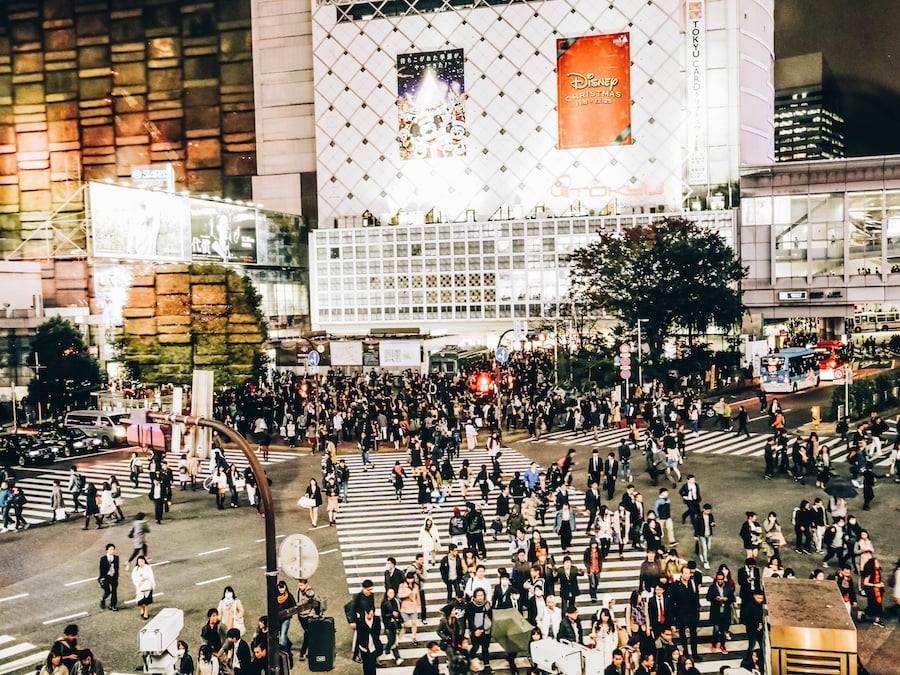
The Shibuya Crossing intersection is often called the busiest pedestrian crossing in the world, and when the lights change you quickly understand why. Hundreds of people surge into the intersection from every direction. You’ll see business commuters, teenagers with shopping bags, tourists clutching cameras (like me!) and locals moving with practiced efficiency.
It’s located directly outside the Hachiko Exit of Shibuya Station at 2 Chome-2-1 Dogenzaka, Shibuya 150-0043. For a different perspective, watch the crossing from the 2nd-story window of the Starbucks on the North side or from the 47th floor of Shibuya Scramble Square building (more on that below).
➞ If you want some help navigating the crossing, join the Shibuya Highlights Walking Tour. It will take you there and a few other spots in the area. Or just follow my Perfect One Day Itinerary for Shibuya, Tokyo
Get the View at Shibuya Sky
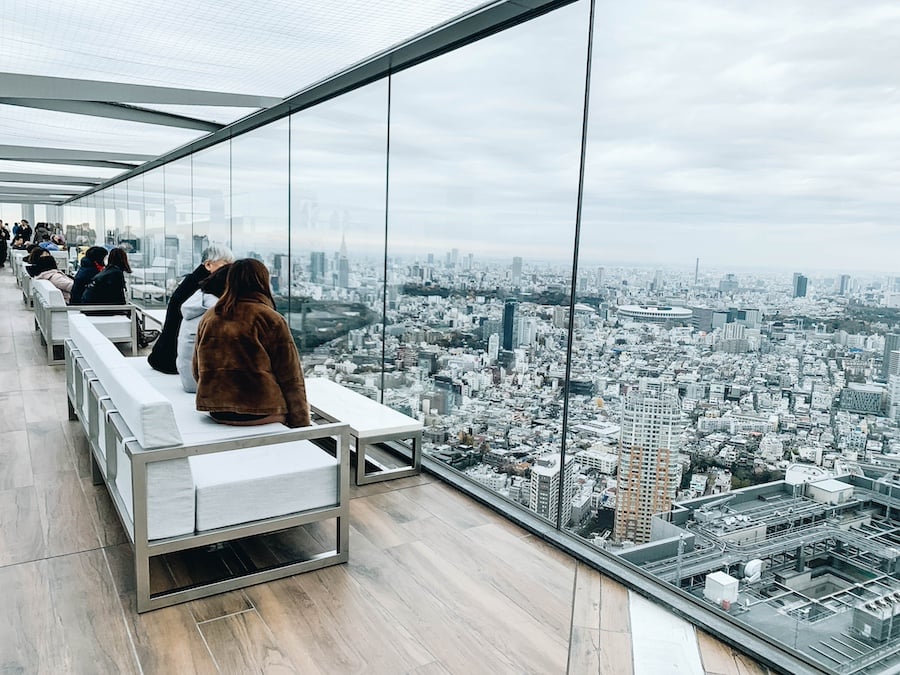
Make your way to the tall Shibuya Scramble Square building and climb to the 47th floor, to the Shibuya Sky. This rooftop observatory will get you a stunning 360-degree panoramic view of the city. You can even see the chaos of the famous Shibuya Crossing from way up there.
They only allow a limited number of people at a time, so during peak seasons, I recommend getting tickets in advance (otherwise you can try to get them once you arrive). They are available on their website, but I encountered some glitches with it. It is much easier to use Klook to buy them.


Make a Stop at Meiji Shrine
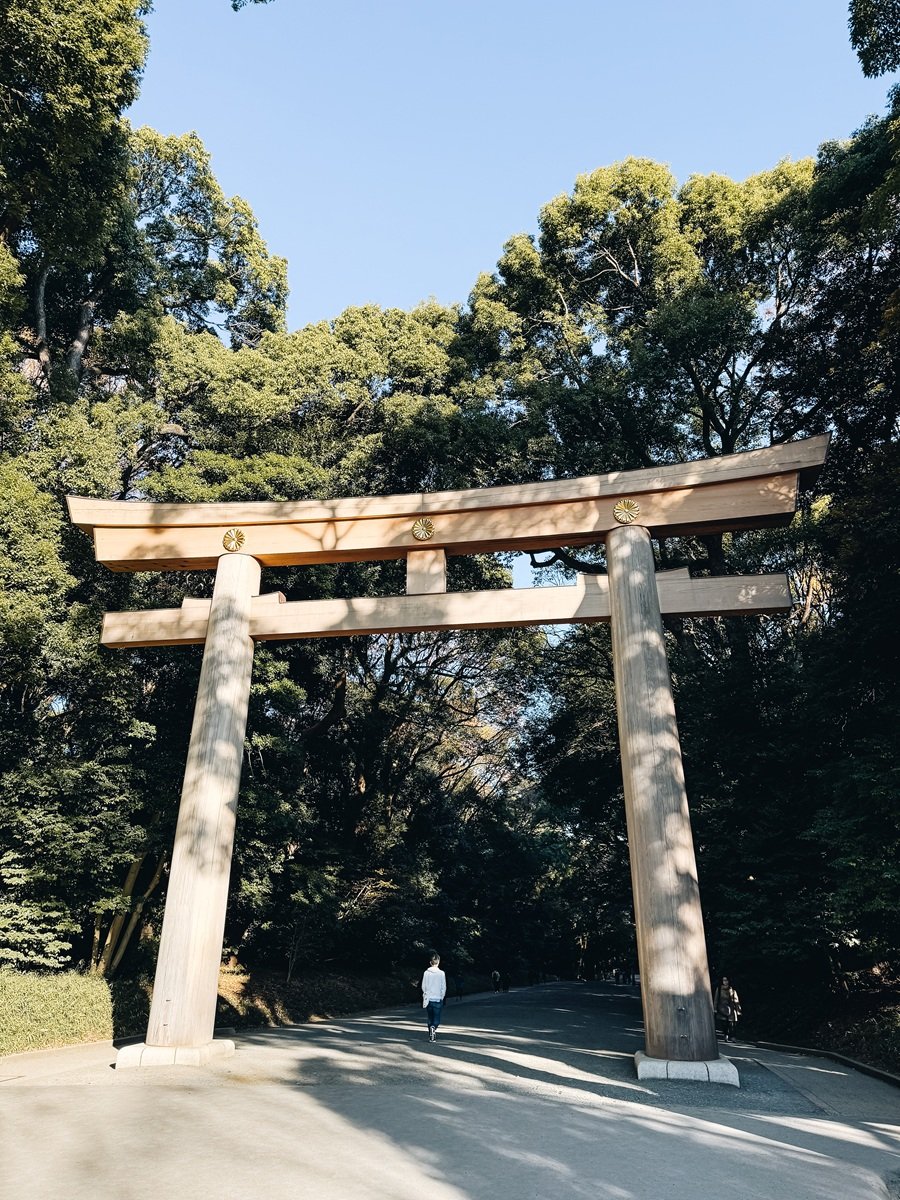
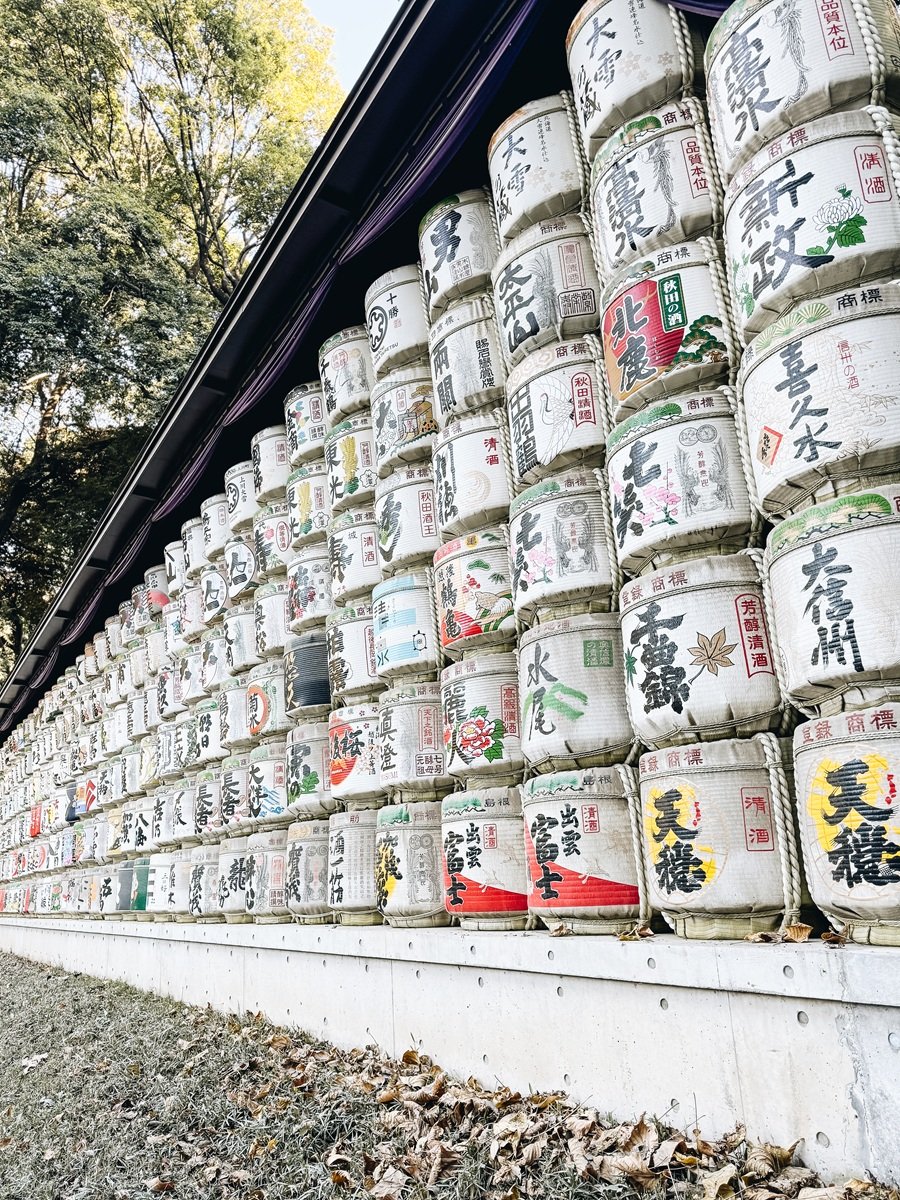
A short walk from the busy streets of Shibuya sits one of Tokyo’s most peaceful places, Meiji Jingu. The entrance begins with a massive wooden torii gate that leads into a wide gravel path and a forest of more than 100,000 trees, and Meiji shrine. It feels surprisingly quiet considering the shrine sits in the middle of the city, right beside Yoyogi Park.
The shrine was built to honor Emperor Meiji and Empress Shoken, important figures in Japan’s modernization. Before approaching the main hall, visitors stop at a purification pavilion to rinse their hands and mouth with water, a small ritual symbolizing cleansing before prayer. Even if you are not particularly spiritual, the calm atmosphere and towering trees make this one of the most memorable stops in Tokyo.
Stroll Through Yoyogi Park
Right next door to Meiji Jingu is Yoyogi Park, and it feels like Tokyo’s backyard. On weekends you will see friends picnicking on the grass, musicians practicing under the trees, and the occasional group rehearsing dance routines in the open spaces. It is an easy place to slow down for an hour between sightseeing stops.
The park also carries a bit of history. The land once held military barracks and later became part of the Olympic Village during the 1964 Summer Olympics. Today it is best known for its wide walking paths and seasonal beauty. Spring is especially popular when the cherry blossoms bloom and locals gather for hanami picnics beneath the trees. Fall is equally lovely, when the leaves turn shades of gold and red and the park feels calm and almost storybook quiet.
If you are a garden lover then don’t miss the 6-hour private Japanese Garden Tour that will take you to 10 different ones!

Wander Harajuku
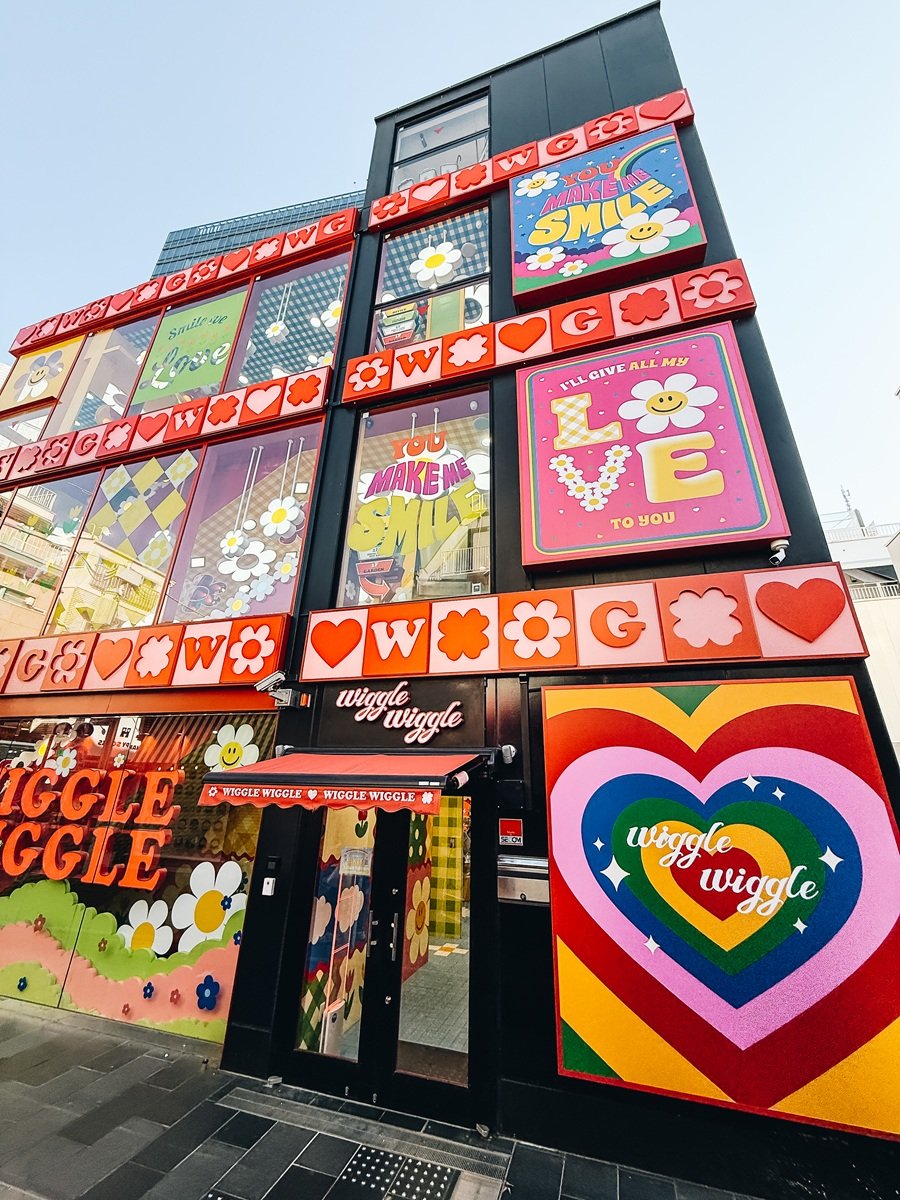
Harajuku is where Japan’s youth culture, street style, and “kawaii” or cute fashion really come alive. Takeshita Street is the heart of it all, packed with rainbow-colored snacks, crepe stands, and vintage boutiques (but don’t skip the side streets too!)
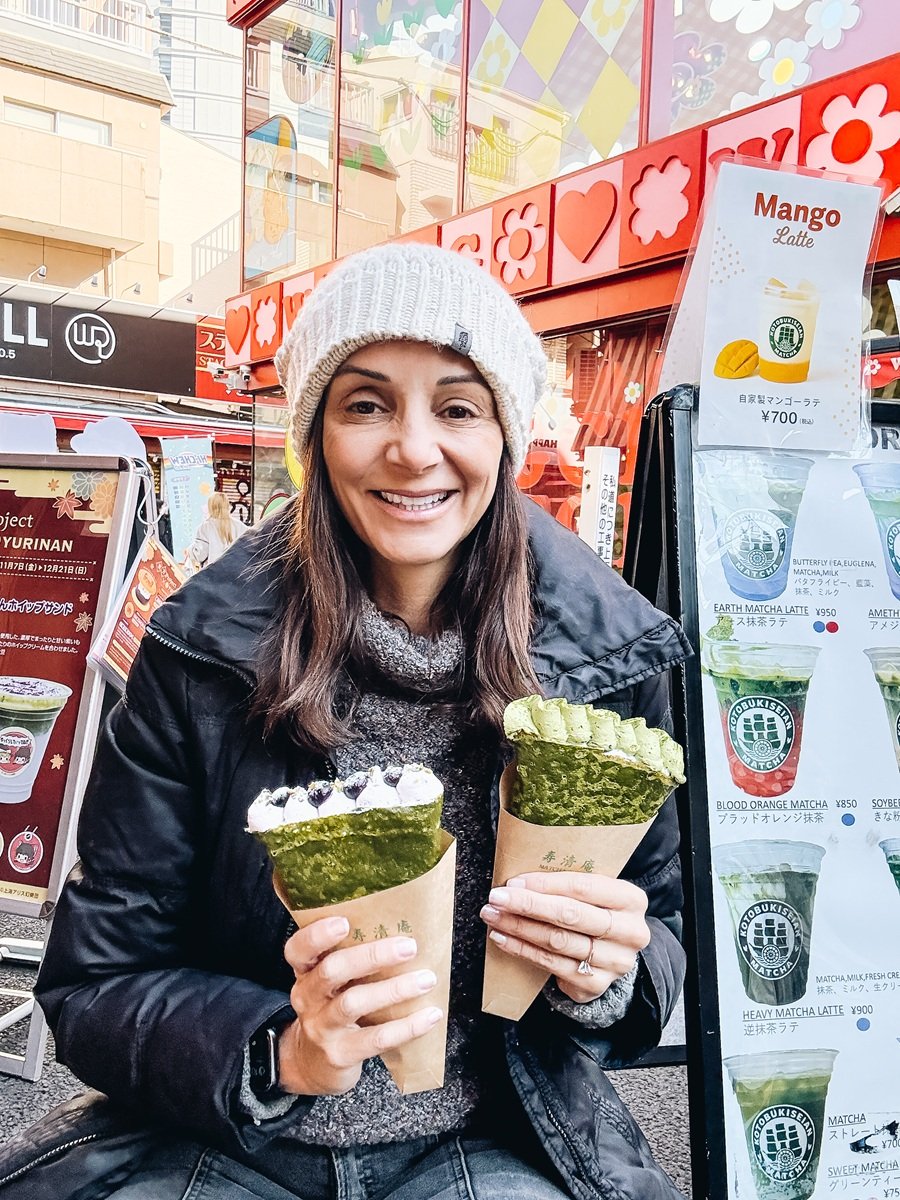
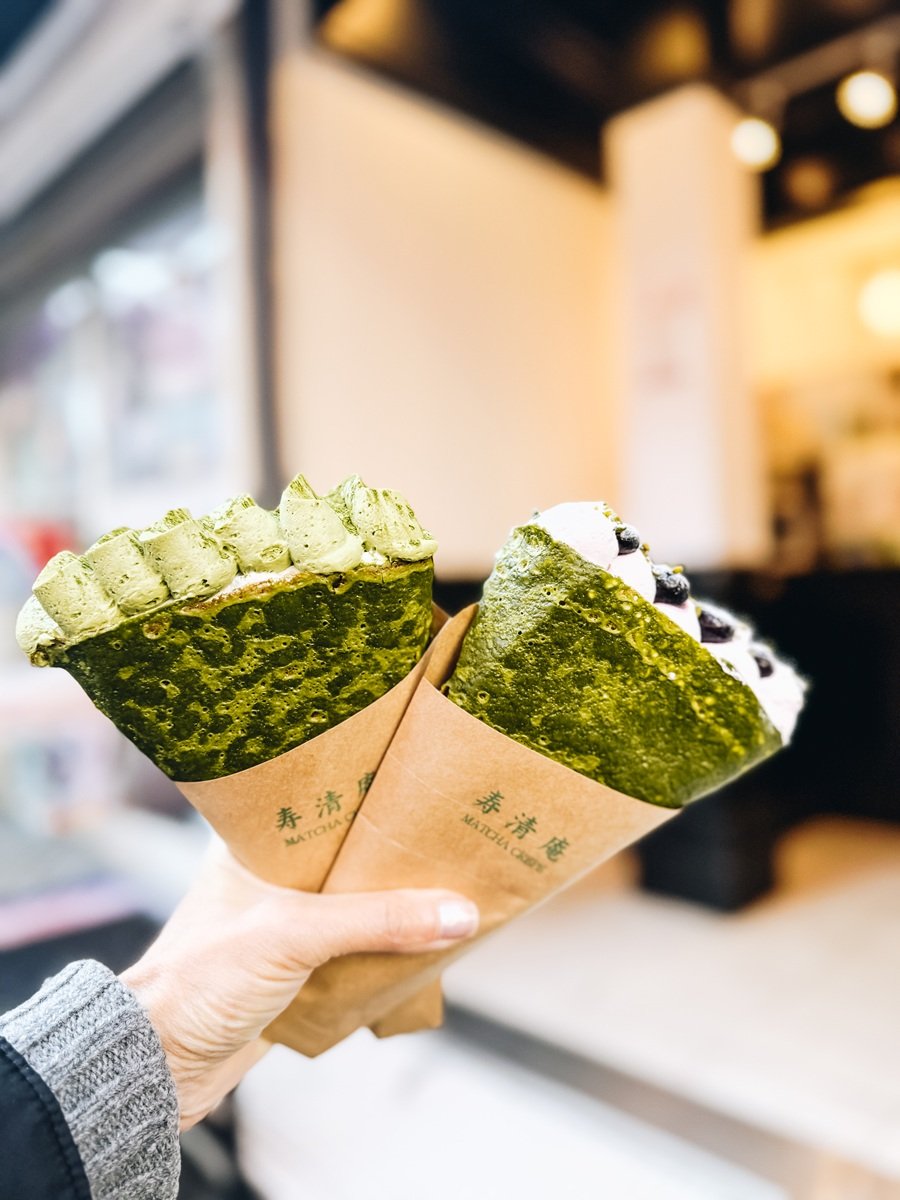
The neighborhood is also an animal lover’s paradise. You can find cafés featuring cats, owls, pigs, capybaras, even otters. And if sweets are your thing, Harajuku has a ton of crepe cafés. We stumbled upon one of the best matcha crepe spots, Kotobukiseian Harajuku Matcha, with yummy tiramisu and berry options.
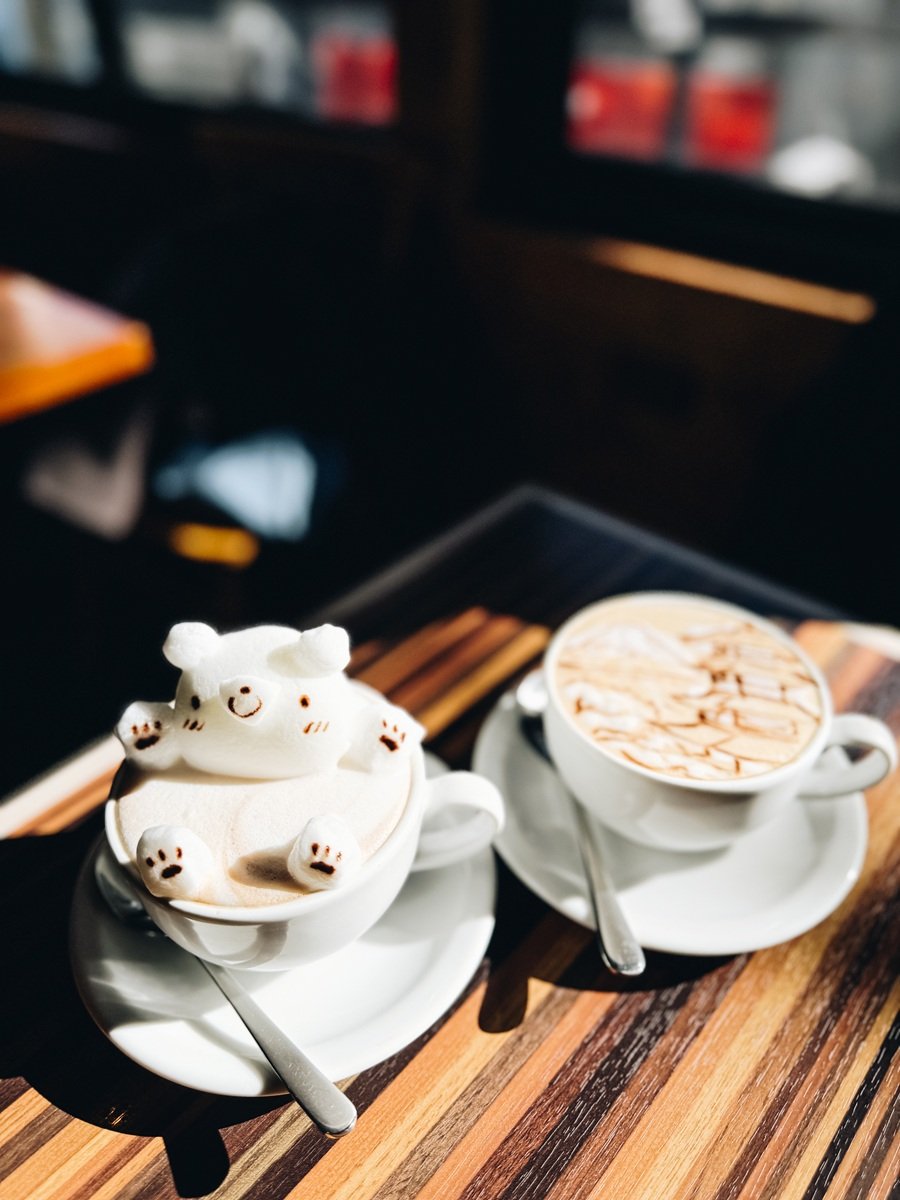
While you’re exploring, don’t miss Cafe Reissue for the 3D latte art. My first latte had a tiny 3D bear perched on the foam, so cute I almost felt guilty drinking it. You can bring a photo of anything you like and they will try to recreate it.
➞ If you’re short on time, see my perfect one day itinerary for Shibuya.
Shinjuku Ward
I always tell first-time visitors that Shinjuku is the place to come when you want to see Tokyo turn up the volume a little. The neon lights glow brighter here, the streets stay busy late into the night, and there is always something unusual around the next corner.
Bar Hop in Golden Gai
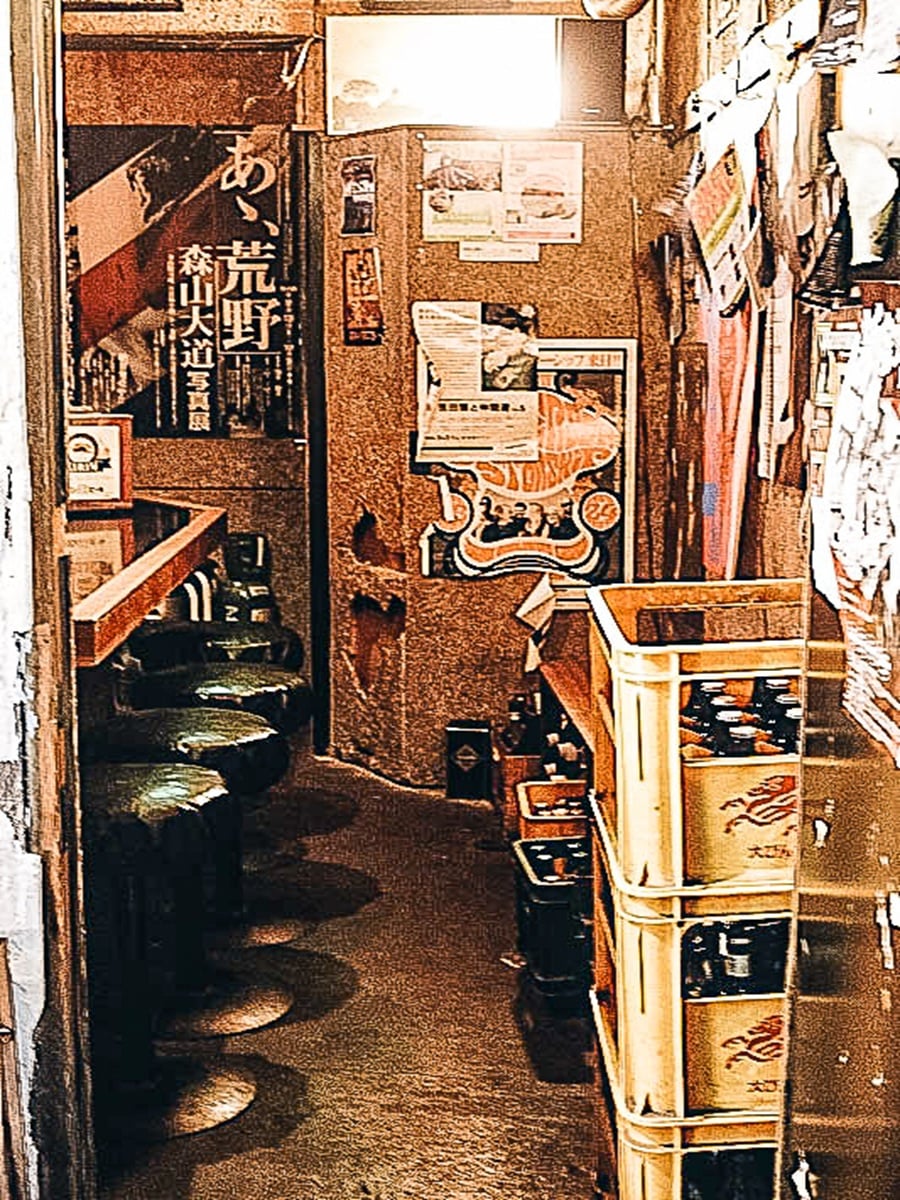
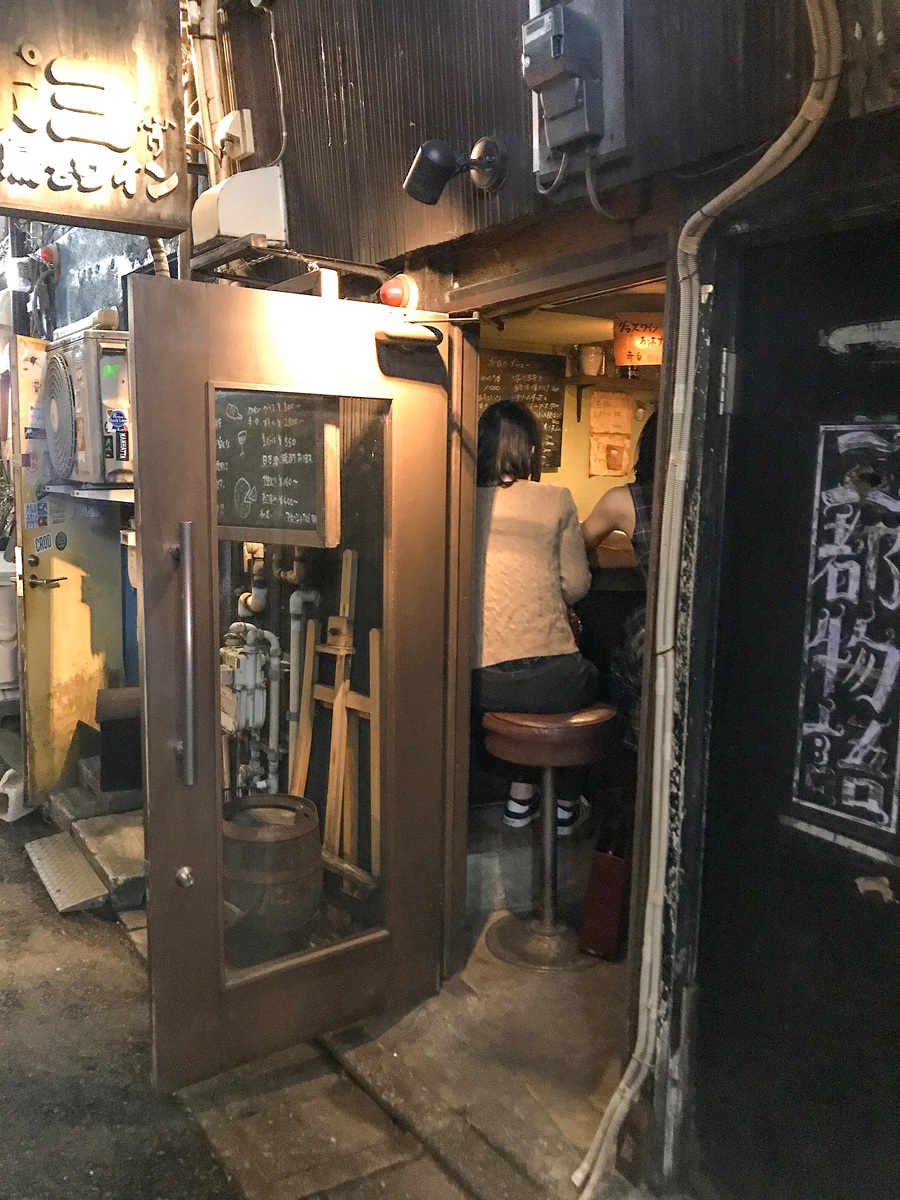
One of the most memorable nights I have had in Tokyo started in Golden Gai. This tiny pocket in Shinjuku is six narrow alleyways that hold more than 200 miniature bars, many of which seat fewer than ten people.
Each bar tends to have its own personality. Some are dedicated to jazz music, others to movies, literature, or simply the passions of the owner. The best approach is simply to wander until something catches your eye and step inside. You might find yourself sharing drinks with a local regular, a bartender who loves classic films, or travelers from half a dozen countries.
➞ A few bars I recommend are, Art Bar Shuten-doji, Deathmatch in Hell, and Bar Asyl. But, if you’d feel more comfortable taking a tour, I recommend either Viator’s Bar Hopping with a Local Guide or the Local Bar & Izakaya Crawl
Get Close to the Giant Godzilla
Shinjuku has always had a playful side, and nothing captures that better than the enormous Godzilla peering out over the neighborhood. The famous monster head sits atop the Hotel Gracery Shinjuku and rises about 39 feet above the surrounding terrace. From the street below you can spot the reptilian eyes and sharp teeth watching over the buildings of Kabukicho.
If you want a closer look, take the elevator up to the terrace level where you can stand almost face to face with the creature. It feels appropriately dramatic for a city that once hosted the original Godzilla films. Fans can even book one of the themed Godzilla hotel rooms, which turns the whole experience into a slightly surreal sleepover with Japan’s most famous movie monster.
Eat in Piss Alley
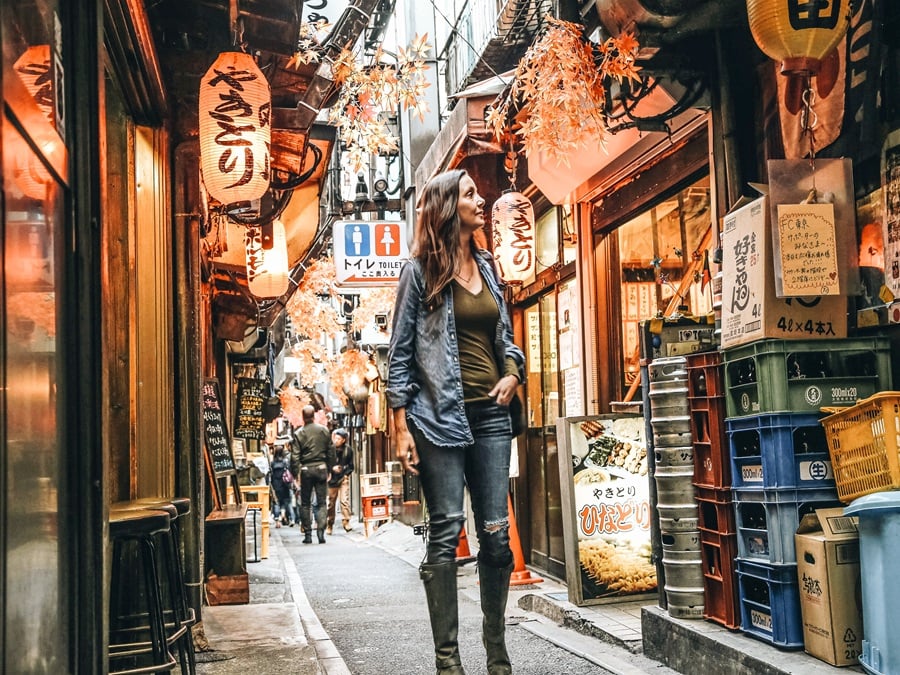
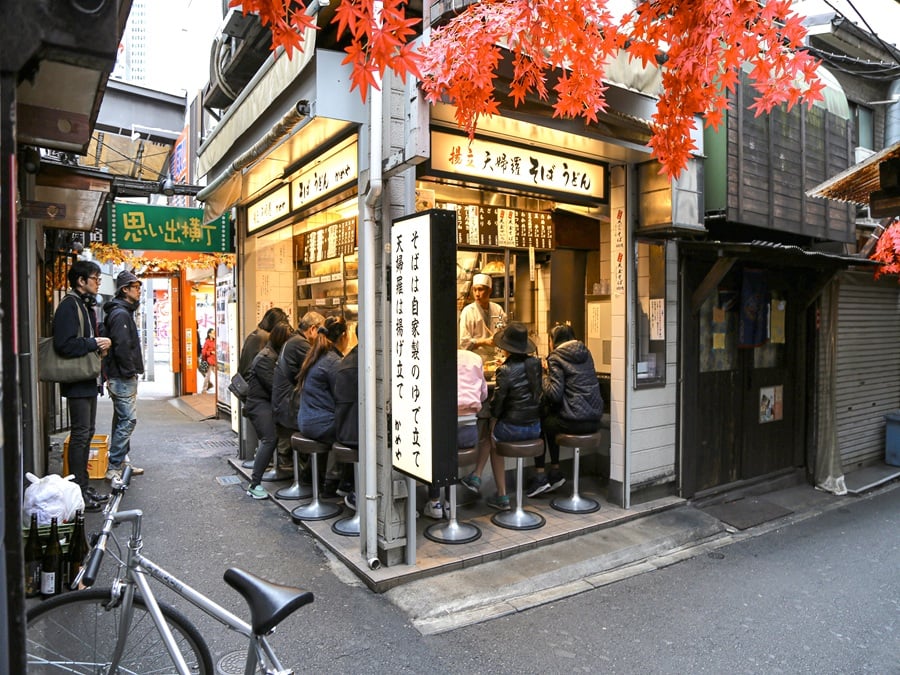
Just a few minutes from Shinjuku Station sits another narrow alley known as Omoide Yokocho, though many people still refer to it by its old nickname, Piss Alley. The name comes from its gritty past, but today the lane has become one of the most atmospheric places in the city to grab a casual meal.
Tiny restaurants line both sides of the walkway, each one sending out the smoky scent of yakitori grilling over charcoal. Inside you sit shoulder to shoulder with locals while skewers of chicken, vegetables, and other specialties arrive one after another. Some restaurants serve more adventurous dishes, like Motsunabe (an offal hotpot), if you are feeling especially brave. Others keep things simple with cold beer and perfectly grilled bites.
Shinjuku Gyoen National Garden
When the pace of Shinjuku starts to feel a little overwhelming, the perfect escape sits just a short walk away at Shinjuku Gyoen National Garden. The park spreads out over spacious lawns, quiet ponds, and winding paths that invite you to slow down for a while.
The garden blends several styles of landscaping, including traditional Japanese gardens alongside English and French inspired areas. It was originally part of the estate of the Naito family during the Edo period before eventually becoming a public park. Today it offers one of the most peaceful breaks from the surrounding city. In spring it becomes especially popular when the cherry blossoms bloom and visitors gather beneath the trees for one of Tokyo’s most beautiful seasonal displays.
Other Areas Around Tokyo
Watch Wrestling Practice at a Sumo Stable
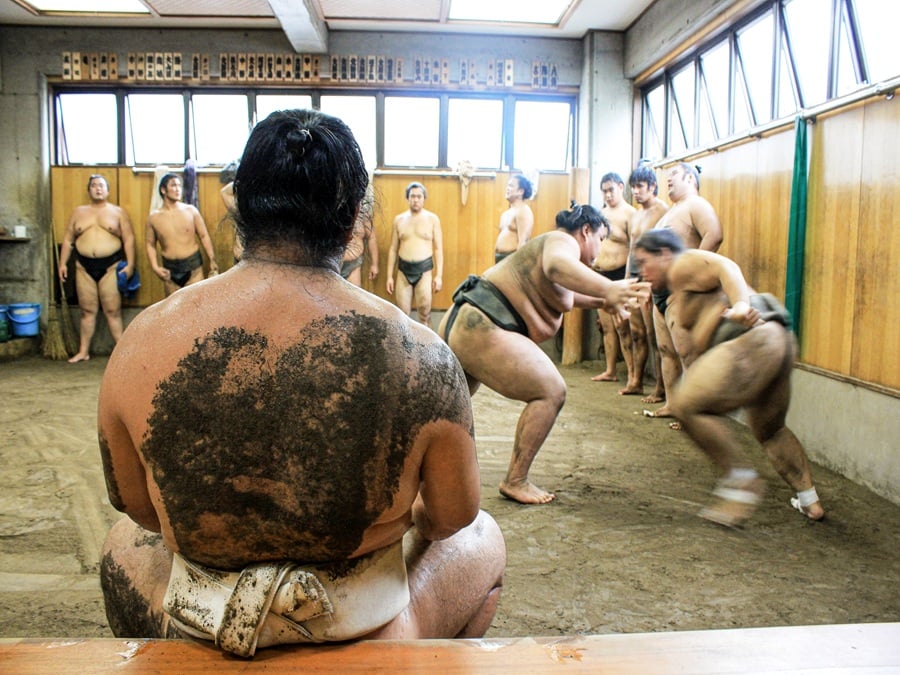
Watching sumo wrestlers train is one of the most authentic Japanese traditional experiences you can have in Tokyo. Practices take place inside traditional training stables, where the wrestlers begin their day early with hours of drills, sparring, and ritual. The room fills with the sounds of stomping feet, heavy breathing, and bodies colliding against the floor of the practice ring. And it is intense!
Most stables are located in the Ryogoku district, though only a handful allow visitors. Stables like Kasugano Beya and Takasago Beya occasionally welcome guests to observe the training, but it’s sometimes tricky to figure out how and when to go. I recommend booking in advance through a company like Viator. This one is highly recommended: Tokyo Sumo Morning Practice Tour at Stable
Tips: It is important to remember that this is not a performance. The wrestlers are focused on serious preparation and visitors are expected to remain respectful and silent.
Discover Sensoji Temple
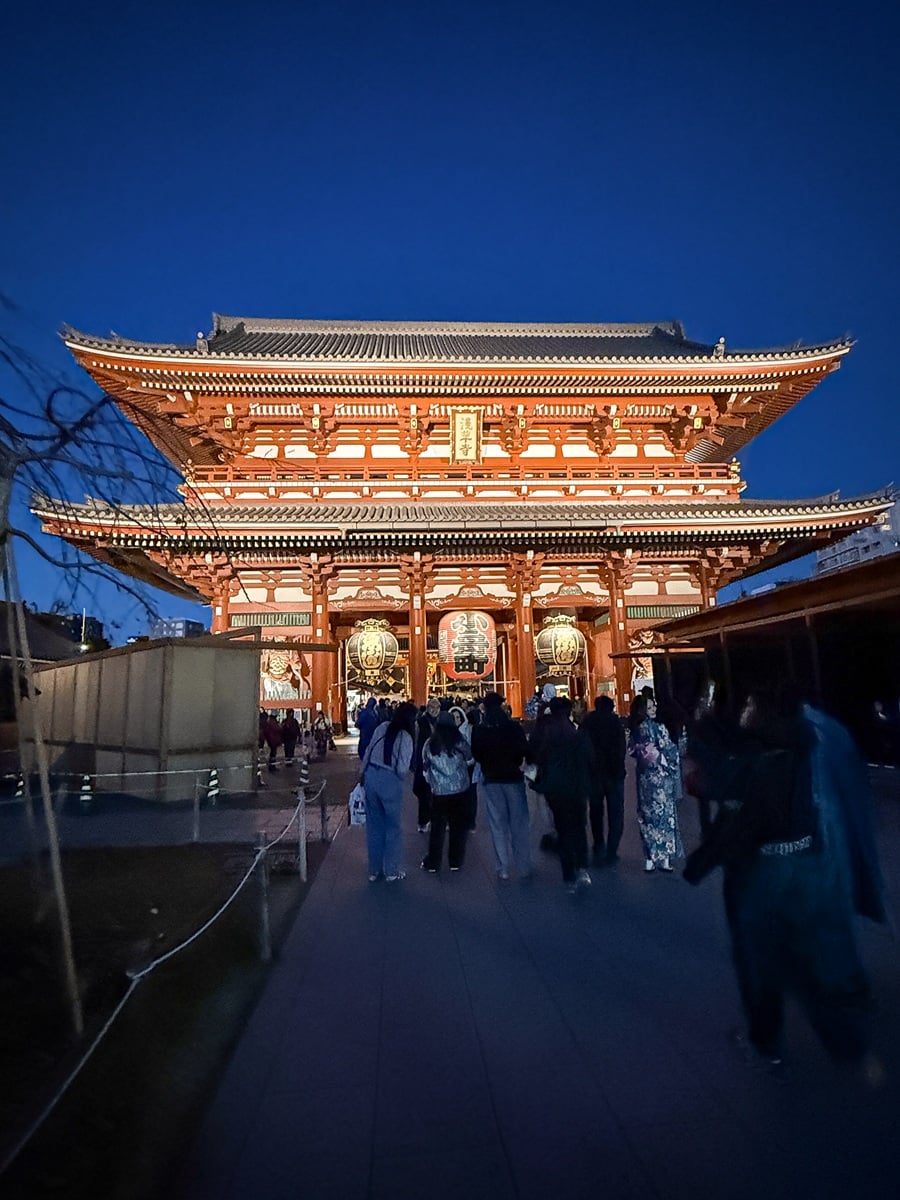
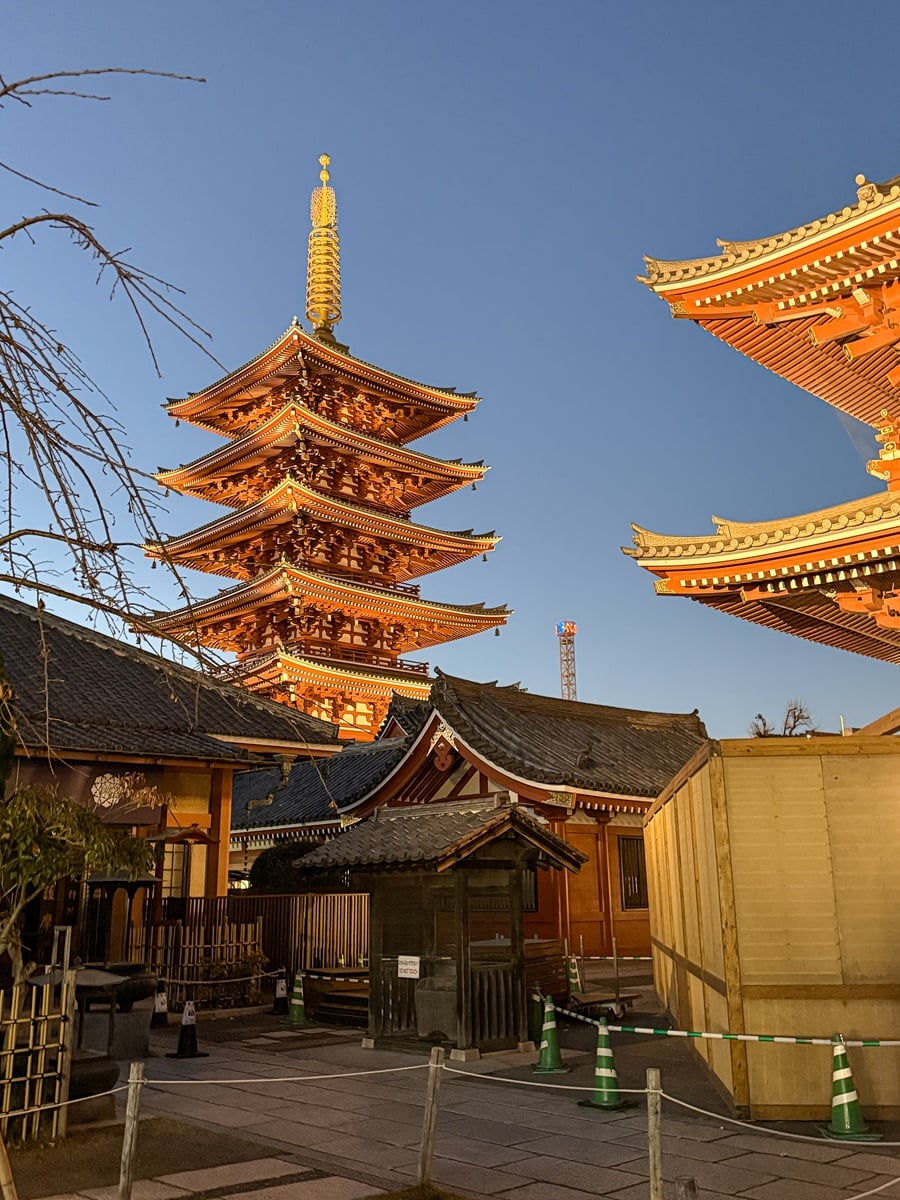
Sensoji Temple is the city’s oldest temple and one of its most loved landmarks. The experience begins at the famous Kaminarimon Gate, where a massive red lantern hangs dramatically over the entrance. From there you follow the lively pathway of Nakamise Street, a centuries old market filled with snack stalls, souvenirs, and traditional crafts.
By the time you reach the temple grounds, the atmosphere shifts slightly. Visitors gather around the large incense burner, wafting the smoke toward themselves for good fortune before walking up the steps to pray. The entire area feels vibrant and historic at the same time.
Attend a Kabuki Theater Show
For a completely different type of cultural experience, spend an evening watching kabuki theater at Kabuki-za Theatre. Kabuki is one of Japan’s most famous performing arts, combining music, dance, elaborate costumes, dramatic makeup, and stylized storytelling into a theatrical performance that feels both ancient and visually striking.
Even if you do not understand the language, the visual spectacle alone makes the experience worthwhile. The actors move with carefully choreographed gestures, and the stage design often shifts in surprising ways throughout the performance. If committing to a full show feels like too much, the theater offers single act tickets that provide a shorter introduction (that’s what I did!).
Spend the Night in the Hello Kitty Room
Tokyo has a wonderful sense of whimsy, and nowhere is that more obvious than inside the Hello Kitty rooms at the Keio Plaza Hotel Tokyo. The moment you walk through the door you are surrounded by the familiar bow-wearing character. The bedding, walls, and décor all lean happily into the theme.
What surprised me most is how comfortable the rooms still feel. It could easily tip into novelty, but instead it comes across as playful and charming. Even breakfast carries the theme with character shaped touches. You certainly do not need to be a lifelong Hello Kitty fan to enjoy it.
Use all the Buttons on a Japanese Toilet
This might sound like an unusual recommendation, but experiencing a Japanese toilet is practically a cultural event for first time visitors. The country has turned an everyday bathroom fixture into something that feels closer to a personal spa. Heated seats welcome you the moment you sit down, while built in bidets offer adjustable streams of warm water.
Many toilets also include sound features designed to mask noise, which is both practical and amusing when you first encounter it. The control panels can look a bit intimidating at first, with rows of mysterious buttons and icons, but part of the fun is figuring out what each one does!
Experience TeamLab
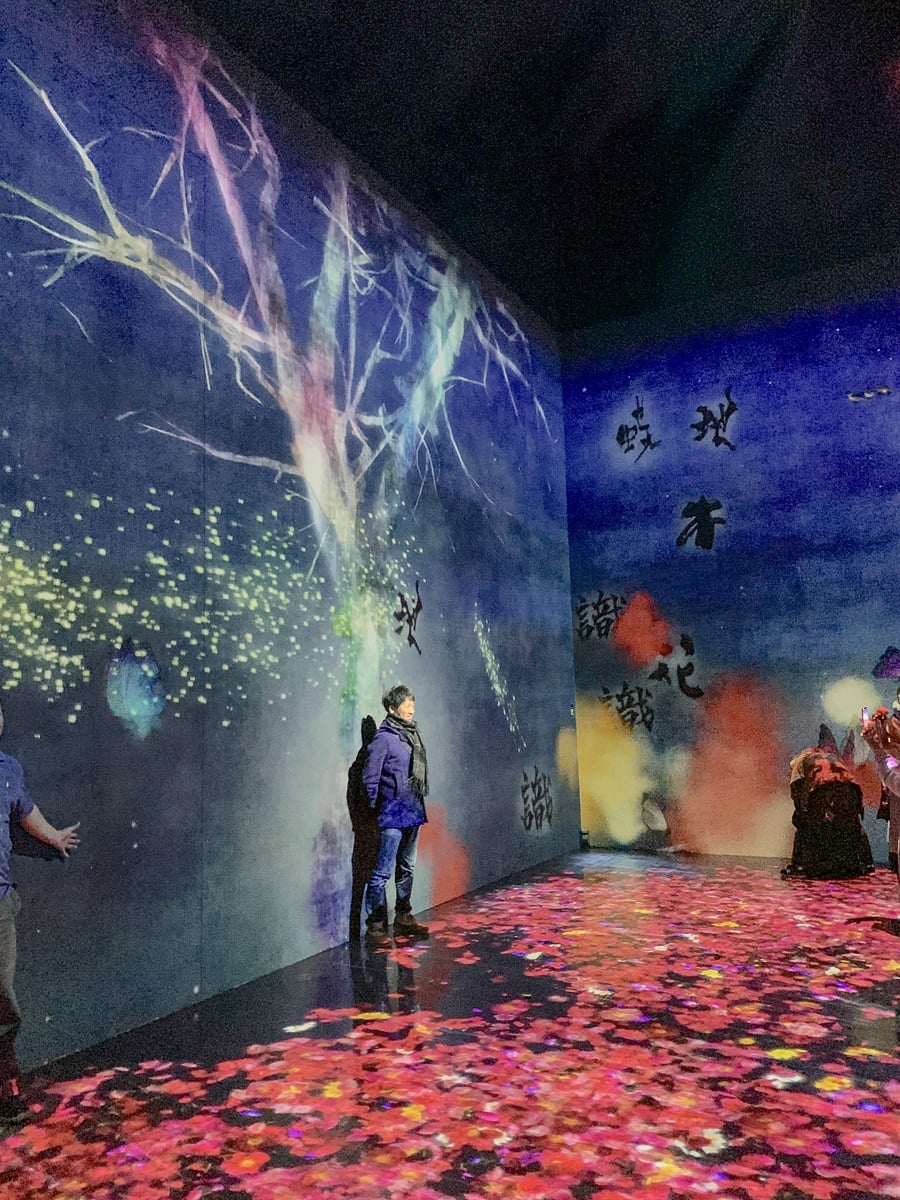
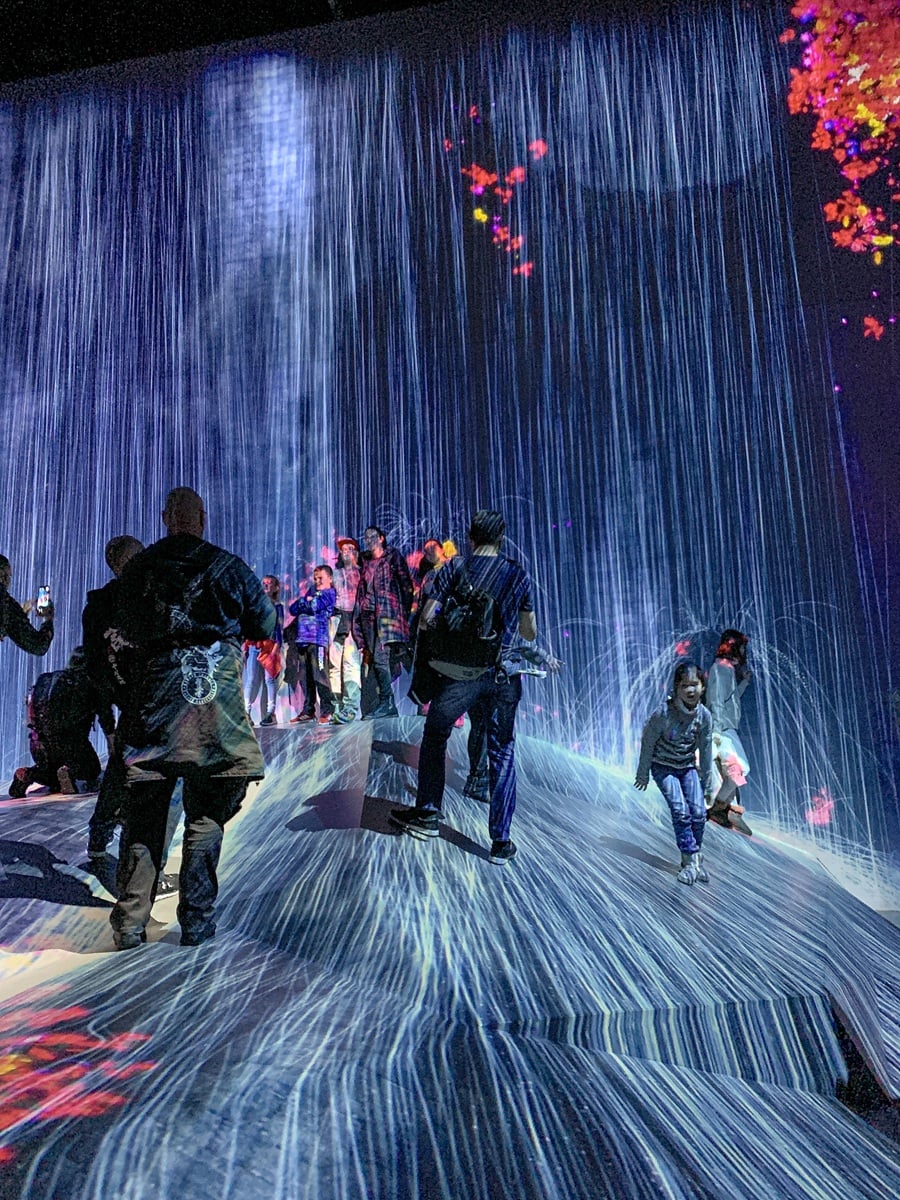
Some museums are meant to be observed quietly from a distance. teamLab Borderless is the opposite. This immersive digital art museum surrounds visitors with constantly shifting projections of light, color, and movement. Entire rooms transform into living landscapes where flowers bloom across the walls and lanterns glow overhead.
What makes the experience so unique is that there is no set path through the museum. You simply wander from space to space, discovering new installations as you go. Some rooms invite you to climb or interact with the artwork, while others feel almost dreamlike as the projections move around you.
Attend a Baseball Game
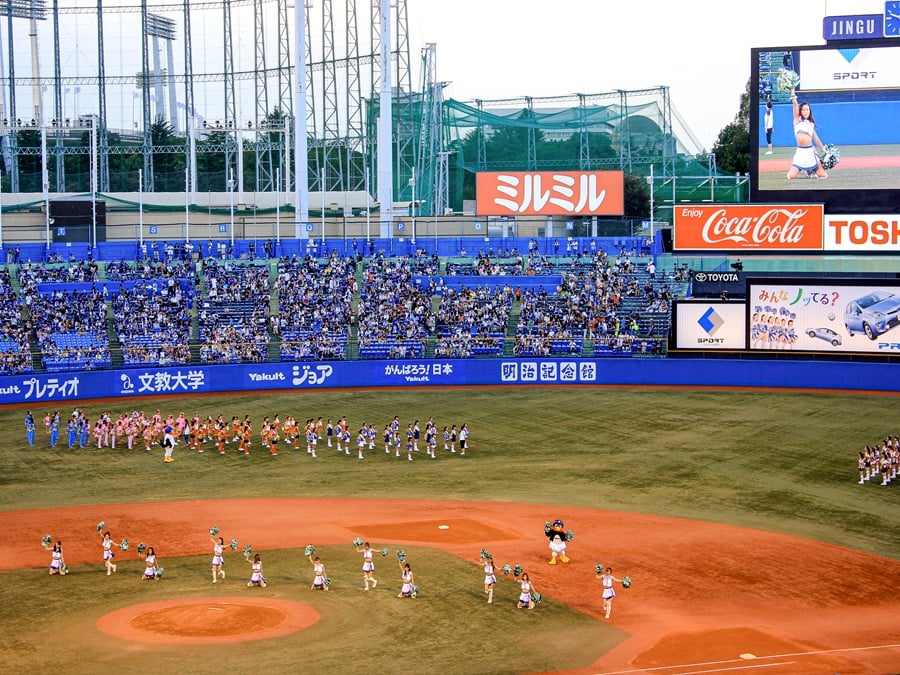
Baseball isn’t just one of America’s favorite pastimes, the Japanese are passionate about it too. Things are just done a bit differently when you attend a baseball game in Japan, like waving umbrellas for home runs, snacking on edamame and having cheerleaders. Though the Yomiuri Giants at the Tokyo Dome draw larger crowds, you can also see the Tokyo Swallows play at the outdoor Jingu Stadium.
It may be possible to snag some tickets on the day of the game, but not guaranteed! So, if seeing a Japanese baseball game is high on your things to do list then buy tickets to a game online: Tokyo Swallows or Yomiuru Giants.
Play a Game of Pachinko
The first time I stepped into a pachinko parlor in Tokyo, the noise alone nearly pushed me back out the door. Imagine hundreds of tiny metal balls clattering at once, lights flashing everywhere, and rows of players staring intensely at their machines. Pachinko sits somewhere between an arcade game and a national pastime.
The concept is simple enough. You release small silver balls that bounce through a maze of metal pins, hoping they drop into winning pockets. The trick, of course, is learning how to control the machine well enough to make that happen. In districts like Shinjuku, entire buildings are dedicated to pachinko. Even if you only step inside for a few minutes, it is a fascinating glimpse into a uniquely Japanese obsession.
Go to an Animal Cafe
Only in Tokyo can you spend the morning sightseeing and the afternoon sipping coffee while an owl watches you from a perch. Animal cafés have become one of the city’s most curious experiences, ranging from cat cafés to owl lounges and even places where capybaras wander the room like gentle landlords.
The concept is simple. You order a drink, settle into a seat, and spend time interacting with the animals in a controlled environment. Cat cafés are the most common, but there’s also dog, capybara, pig and owl cafes too.
Here’s a few animal cafes I recommend: Dog Cafe Rio Akihabara, Owl cafe tokyo Akiba Fukurou or Cat Cafe MOCHA Ikebukuro
Experience an Onsen
After a long day navigating Tokyo’s crowds and train stations, few things feel better than soaking in an onsen. These hot spring baths are a deeply rooted Japanese tradition and an experience that feels both restorative and cultural at the same time.
There are plenty of them in Tokyo (you can see some of the best ones here), but I recommend Onsen Ryokan Yuen Bettei Tokyo Daita.
Participate in a Traditional Japanese Tea Ceremony
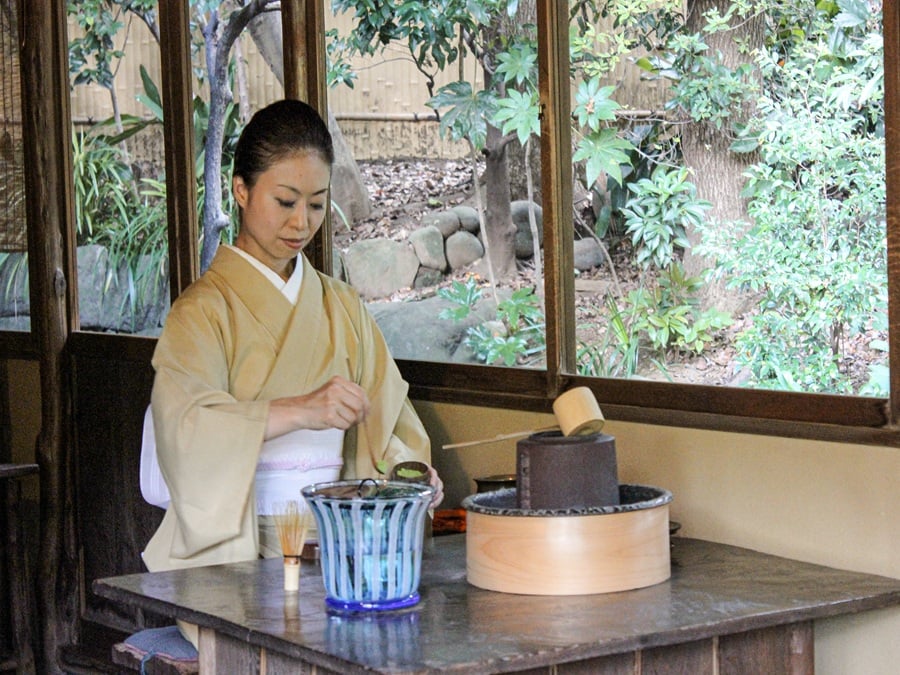
The Japanese tea ceremony moves at a completely different pace than the rest of Tokyo, every gesture is deliberate. The host carefully prepares matcha, turning the simple act of serving tea into a small performance filled with symbolism and tradition.
One of the most beautiful places to experience it is at Happo-en Garden in Tokyo’s Shirokanedai district. This is where I did it! The grounds alone are worth visiting, with ancient bonsai trees, koi ponds, and winding paths that feel worlds away from the city streets outside. Sitting in the wooden tea house while a bowl of freshly whisked matcha is prepared in front of you is surprisingly calming. It becomes less about the tea itself and more about appreciating the quiet moment.
There are plenty of other tea ceremony options around Tokyo, so if you’re looking for something else I recommend joining one of these experiences: Kimono Tea Ceremony at Tokyo, Asakusa Maikoya or Tokyo Tea Ceremony in Asakusa with Kimono, Matcha & Wagashi
Visit the Imperial Palace
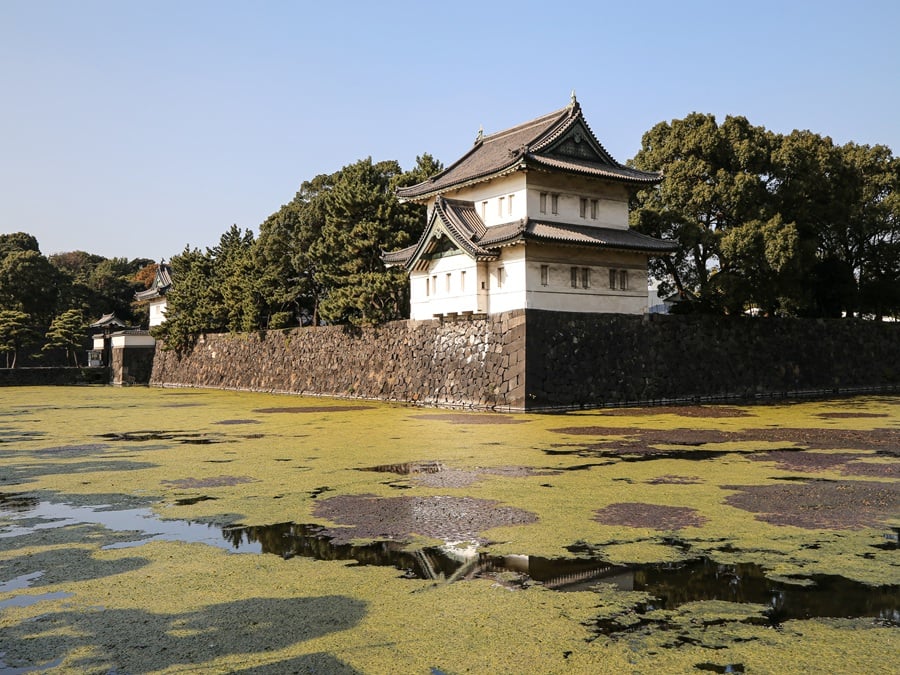
Right in the center of Tokyo sits the Imperial Palace, the residence of Japan’s Imperial family. Surrounded by massive stone walls and wide moats, the palace grounds feel surprisingly peaceful considering the skyscrapers that rise all around it.
The inner palace itself only opens to the public on special occasions like New Year’s Day and the Emperor’s birthday. Fortunately, the surrounding areas are open year round. The Imperial Palace East Gardens are especially lovely for a stroll, with wide paths, quiet lawns, and views of historic watchtowers that once protected the original Edo Castle.
Go to Tokyo Disneyland
Welcome to the happiest place in the world—Disneyland Tokyo edition! It is highly recommended that you spend at least 2 days here to enjoy all the wonderful attractions and food. There are several fun attractions unique to Tokyo Disneyland, like Dream Lights with a magical nighttime light parade (Minnie oh! Minnie!), the interactive Monster’s Inc. Ride & Go Seek and Western River Railroad to name a few.
To make your experience easier, you can prebook admission e-tickets. Also consider splurging a little by staying at the Tokyo Disneyland Hotel which is a short walk from the theme park.
Visit the Red & White Cats at Gotokuji Temple
If you have ever seen a small ceramic cat raising one paw in the window of a shop, you have encountered the maneki neko, Japan’s famous beckoning cat believed to bring good luck. Gotokuji Temple is often associated with the legend behind this symbol.
Visitors come to the temple to see the thousands of small white cat statues placed around the grounds as offerings. Each one wears a red collar and tiny bell while raising a paw in welcome. Walking through the rows of statues feels oddly delightful, especially for anyone who has ever owned a lucky cat figurine.
Sleep in a Ryokan
For a glimpse into traditional Japanese hospitality, spending a night in a ryokan is hard to beat. These historic inns typically feature tatami mat floors, low wooden tables, and futon bedding that is laid out in the evening.
Many ryokan also include communal baths and carefully prepared multi-course dinners served in your room. Even in Tokyo you can find options like The Edo Sakura or the modern Onsen Ryokan Yuen Bettei Tokyo Daita, that preserve the experience while still offering comfort for travelers unfamiliar with the tradition.
Food Experiences Worth Having
Eat Your Way Through the Outer Tsukiji Fish Market
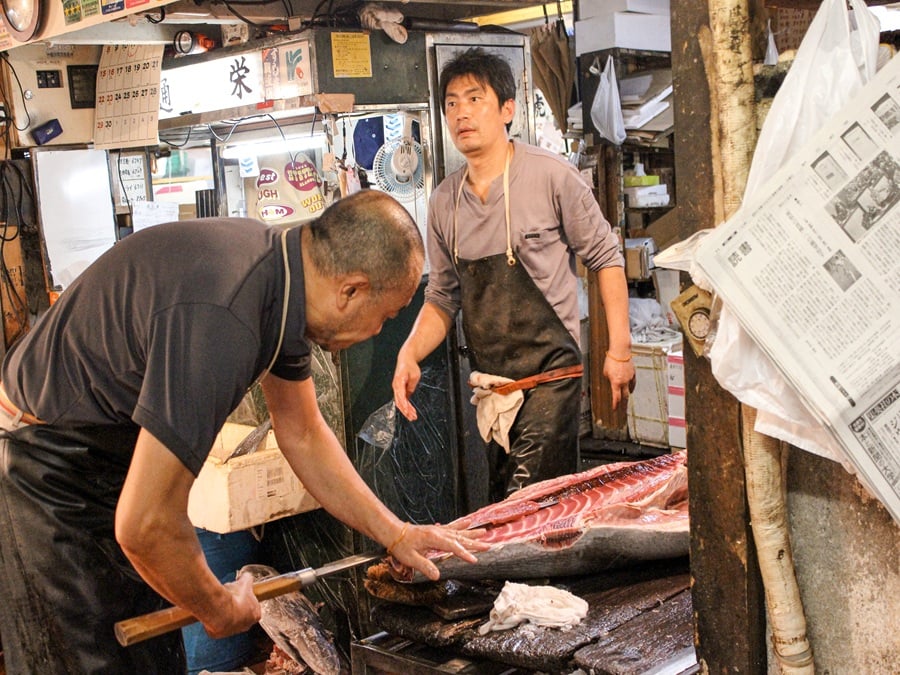
Even though the famous tuna auction has moved to Toyosu Market, Tsukiji remains one of the best places in Tokyo to explore Japanese food culture. The outer market is packed with vendors selling everything from freshly sliced sashimi to grilled seafood skewers and fluffy tamagoyaki omelets.
Arriving early helps, both to beat the crowds and to see the market in full swing. Vendors slice massive tuna with the confidence of surgeons while visitors wander from stall to stall sampling bites. One moment you are eating grilled scallops on a stick, the next you are sipping miso soup while watching a fishmonger expertly break down a tuna the size of a small motorcycle. It’s amazing!
There are plenty of places to choose from, but I recommend not missing Tsukiji Ihachi honten/ A5 Wagyu Steak, tomizuru tsukiji and TSUKIJI USHITAKE.
Splurge on an Omakase Meal
Dining omakase style means placing your meal entirely in the chef’s hands. There is no menu to study and no decisions to make. You simply sit at the counter and watch as course after course arrives, each dish highlighting seasonal ingredients and the chef’s particular skill.
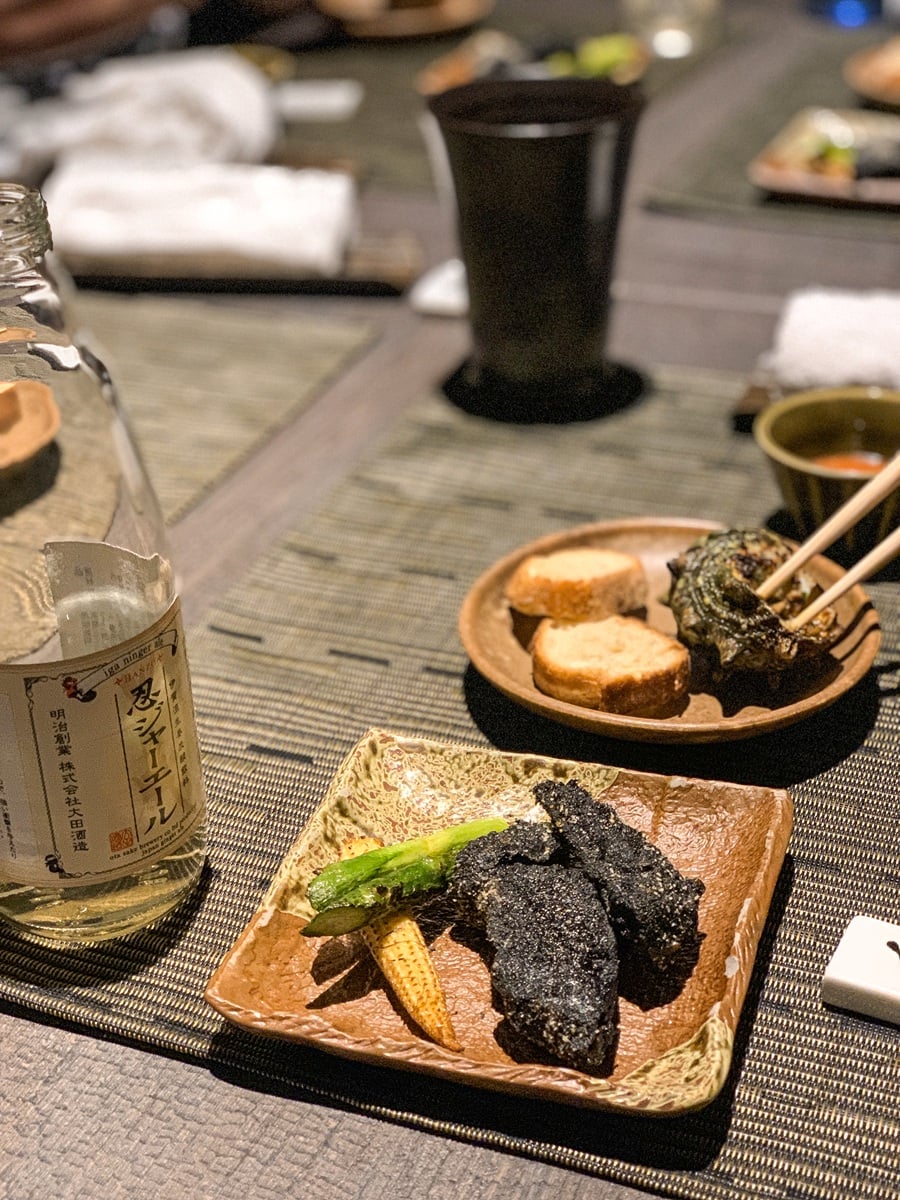
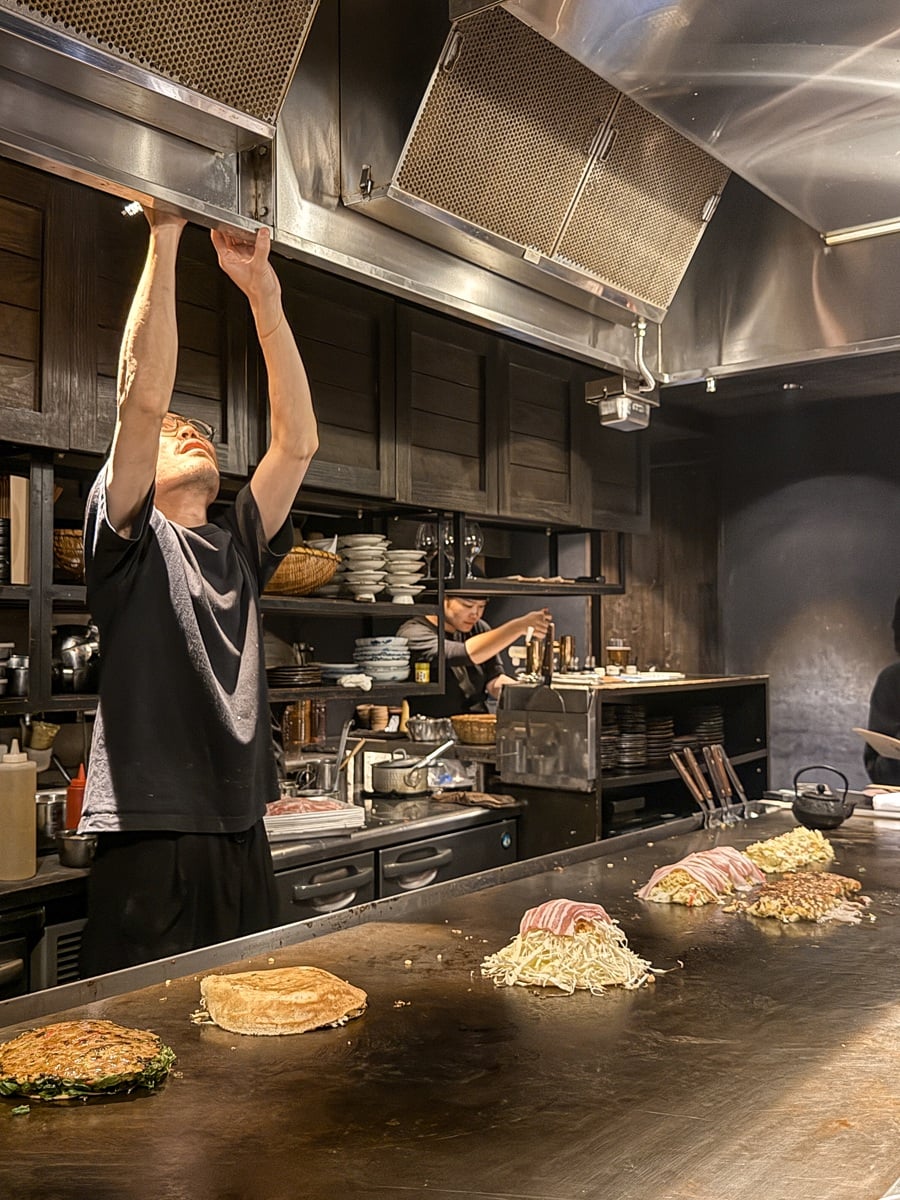
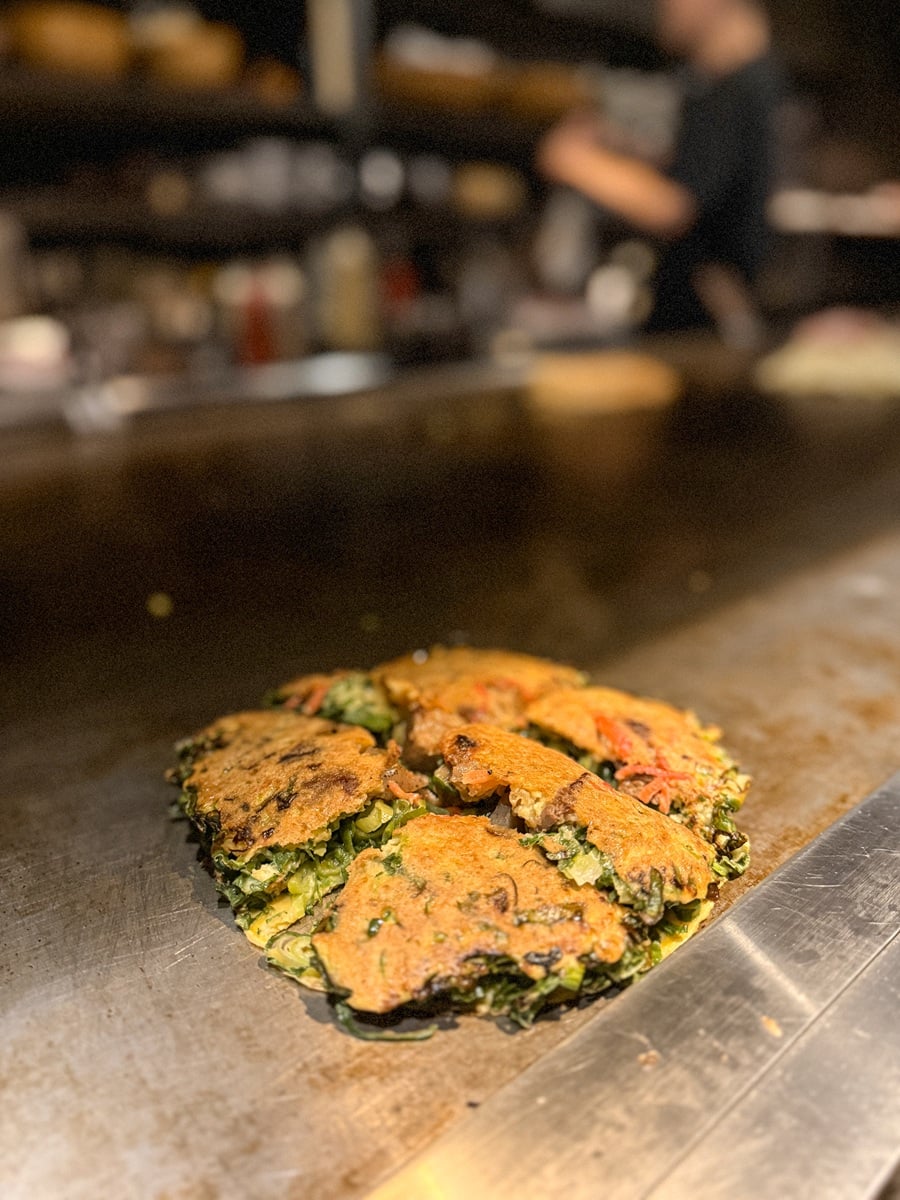
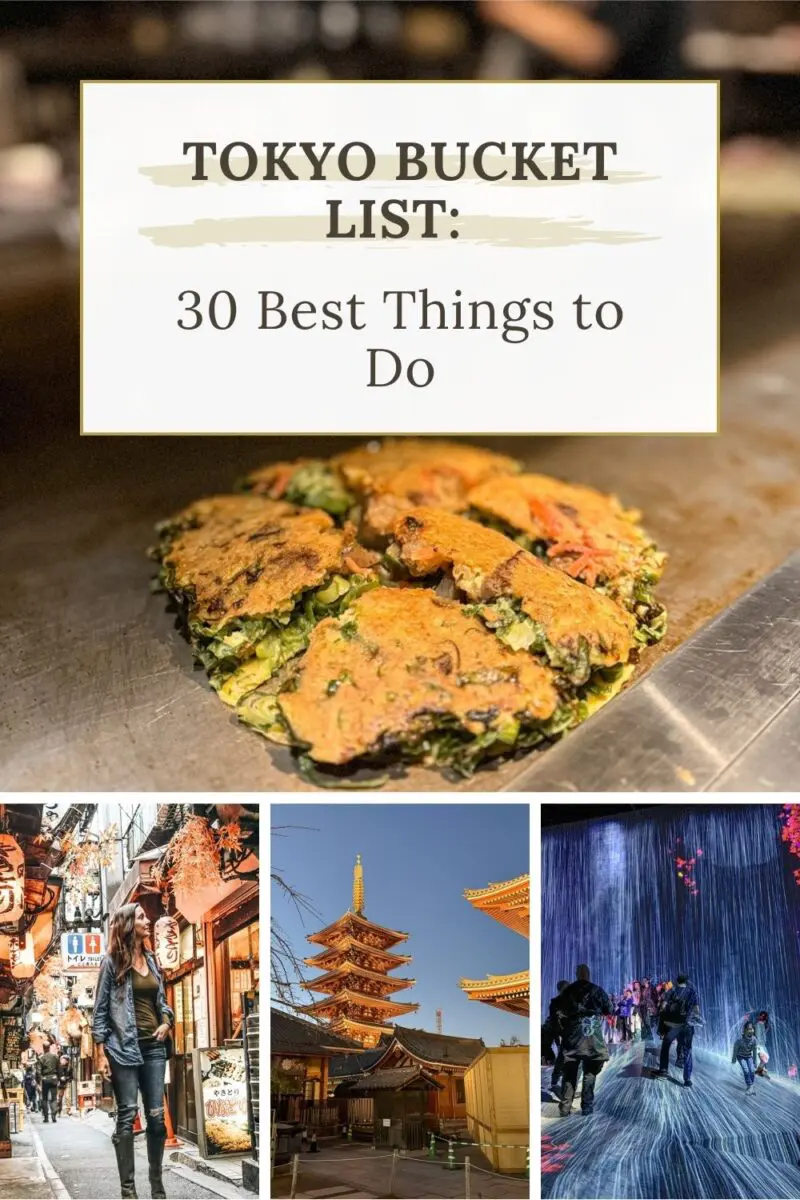
Tokyo is one of the best places in the world to experience this style of dining. Restaurants like Sushi Saito, Shinjuku Sushi Hatsume, and Sassa have become almost legendary among Japanese food lovers. But, we did our omakase meal at the reasonably priced Okonomiyaki Imari in Shibuya, where standout dishes included the agosuji with garlic shoots and the tonpeiyaki egg omelet with perfectly grilled pork.
Take a Food Tour
One of the easiest ways to understand Tokyo’s food culture is to join a local food tour. Guides lead small groups through neighborhoods like Shinjuku or Asakusa, stopping at tucked away restaurants and street stalls along the way.
Tours often include stops for yakitori skewers, ramen, sake tastings, and even premium wagyu beef. Some of the best experiences combine multiple stops so you can sample a variety of dishes in a single evening.
There are so many great ones to choose from, but my top picks are these:
- Shinjuku Food Tour (13 Dishes at 4 Local Eateries)
- Best of Shinjuku: Izakaya Food Tour (4 Stops, 14+ Tastings)
- Shibuya Food Tour (13 dishes and 3 Eateries)
Take a Sushi Making Class
After eating some of the best sushi of your life in Tokyo, it becomes tempting to learn how to make it yourself. Sushi classes around the city offer a surprisingly fun way to understand the craft behind what looks like such a simple dish.
Many classes begin with a visit to a market where you can see the ingredients up close before heading into the kitchen. In one class I took, we selected fresh tuna from Tsukiji first and then learned how to slice the fish properly and shape the rice by hand. It quickly becomes clear how much technique goes into even the smallest piece of sushi. The best part, of course, comes at the end when you sit down and eat everything you just made!
For a great experience book Viator’s Sushi Making Class that includes a sake ceremony and Matcha experience.
Get Your Meal From a Vending Machine
Japan takes vending machines to a level the rest of the world has barely imagined. They appear on nearly every street corner in Tokyo, and they sell far more than bottles of soda.
Some machines dispense hot meals, including ramen, hamburgers, eggs, and even soup. I once grabbed a can of warm corn soup from a vending machine for lunch, expecting something mediocre. It was surprisingly good. The sheer convenience becomes part of the charm. When you are wandering the city late at night and suddenly feel hungry, chances are a vending machine meal is only a few steps away.
Go to Dinner at a Ninja Restaurant
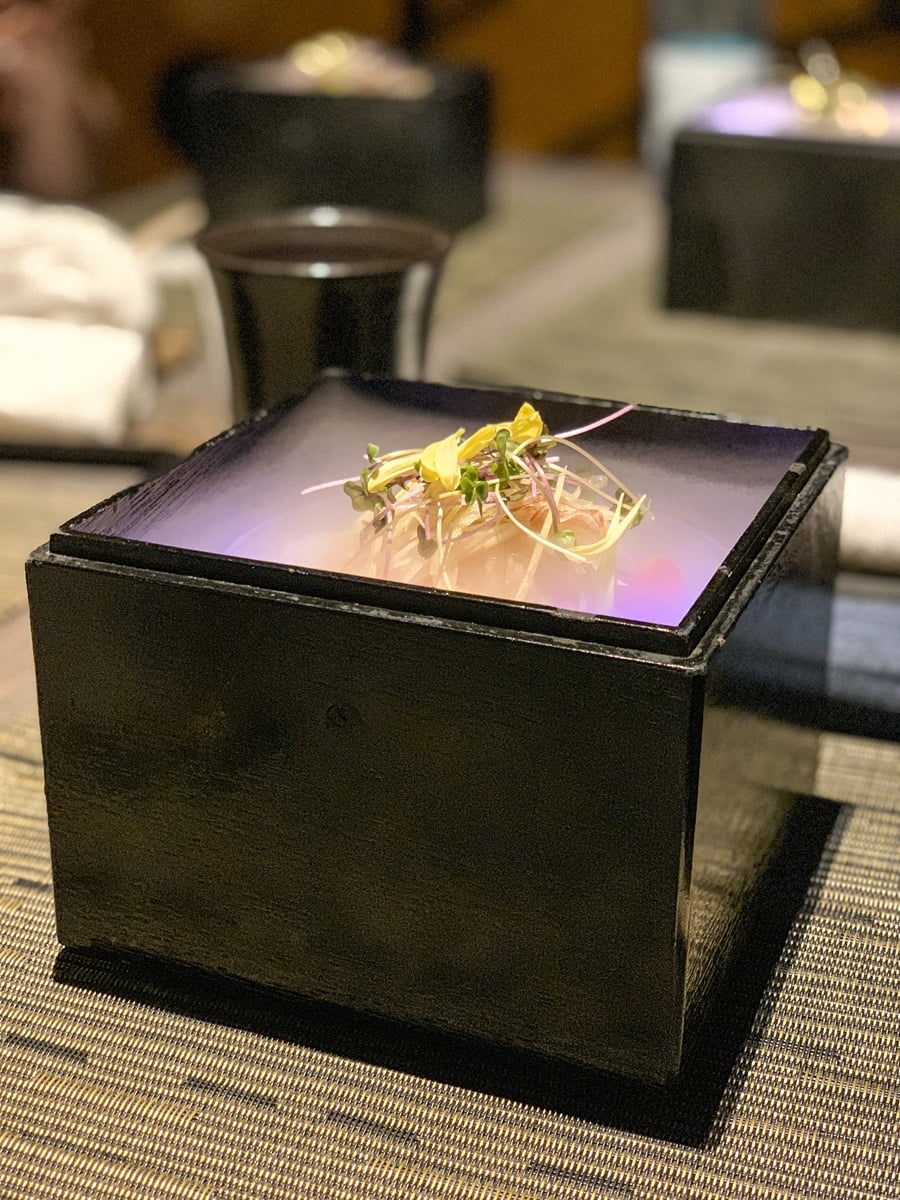
At Ninja Shinjuku a small robot in the corner starts to speak to you as a sliding door opens and leads you down a narrow hallway. Shoji doors open and lead you to a small room where dinner is served. This is not the kitschy place where spry ninjas pop down from the ceiling and serve mediocre food, it’s more of a molecular gastronomy experience where smoke billows out of a box to uncover a beautifully executed salad and Kobe beef is served with a trio of unique dipping sauces.
Dessert was served inside a basement room, along with a “ninja show” which really was more like a magic show—impressive none the less. During my visit, dessert included a tiny bonsai tree made entirely of sweets, with branches that had to be trimmed with scissors before eating.
Buy a Japanese Knife
For anyone who loves to cook, bringing home a Japanese knife from Tokyo feels like acquiring a small work of art. Japanese knives are famous for their incredibly sharp edges and meticulous craftsmanship.
One of the best places to shop is Kappabashi Street, often called Tokyo’s kitchen district. The street is lined with shops selling everything from professional knives to the plastic food models displayed in restaurant windows. I left with a beautifully balanced knife that has easily become one of my favorite tools in the kitchen.
Traveling Soon? Use my Favorite Resources for Booking Your Trip!
Book Your Flight
Expedia is my favorite flight search engine, because it checks dozens of airlines so you can easily find the best fare deals. You can also select ‘Watch Prices’ to get an email alert when the prices change.
Book Your Accommodations
I use both Booking.com and Expedia for hotels, because each offers a couple different hotel choices and I like to compare the reviews on each one. If you have a group or are looking for more of a home atmosphere, head over to VRBO or AirBNB that has houses, apartments and even just a room for rent in every price range.
Book Your Rental Car
If love the freedom to explore like I do, driving from place to place is the best option! I always book with RentalCars.com (it’s part of booking.com) for the best prices and top brand options.
Book Some Fun Tours!
Viator and Get Your Guide are my go-to search engines for cool bucket list experiences! Each one can have different tours, so check both—why limit yourself, right?
Don’t Forget Travel Insurance
Travel can be unpredictable. Whether it’s a last-minute cancellation, an injury, or (ugh) theft, things happen. That’s why I recommend never leaving the country without travel insurance. Here are my faves: Safety Wing and World Nomads.
Get Packing & Travel Essentials Ready
Check out the Bucket List Journey Amazon Store to find all my favorite travel essentials. Everything from Packing cubes, to travel adapters and toiletry containers to walking shoes.
Flying International?
Get Cell Data Before You Arrive: I recommend using airalo for international travel. Also, book an airport transfer in advance (I use Kiwi Taxi). Lastly, check travel.state.gov for visa requirements and safety information.
Save this Post to Pinterest





Aww thank you! I’m so happy to hear that—it means a lot! Tokyo is packed with surprises, and those hidden gems really make the trip unforgettable. Hope your itinerary is full of magic!
I love that you mention Japanese toilets. They are absolutely amazing and I wish all bathrooms were like the ones in Japan.